






Your category has a dozen look-alike sites. Buyers book the demo that makes the outcome obvious.
B2B SaaS websites that turn a complex product into booked demos

Why it matters
Most B2B SaaS companies share the same problem: a solid product, real traction, yet a website that looks like every other SaaS template and lets qualified visitors leave without booking a demo.
The problem
Buyers compare five tabs. Yours has to explain the outcome first.
Why B2B SaaS websites blend into their category
B2B buyers run most of their evaluation before they ever talk to you. By the time someone books a demo, your website has already done the selling, or already lost it. Most SaaS sites aren't built for that job.
The traps
Trap 0101 / 04
Look-alike
Template sameness
The same layout, gradient, and stock illustration as every competitor. Nothing signals you're the category leader.
Trap 0202 / 04
Features, no outcomes
Feature dumping
Features listed, outcomes missing. Visitors can't map your product onto their problem, so they bounce.
Trap 0303 / 04
Nothing de-risks the click
No numbers, no logos
No numbers, no logos, no case studies. Nothing that de-risks the click on "Book a demo".
Trap 0404 / 04
Three CTAs, no path
A leaking funnel
Trial? Demo? Talk to sales? Competing CTAs and an unclear pricing path lose buyers at every click.
The B2B SaaS market, in numbers
SaaS is the most crowded software market on earth, and buyers do their research without you in the room. Your website is your first sales call. It runs 24/7, and it either builds pipeline or quietly loses it.
Global SaaS market
$316B
The global SaaS market in 2025, projected to grow about 19% a year.
Rep-free buying
61%
Of B2B buyers prefer a buying experience with no sales rep involved.
Decision before contact
57%
Of the B2B purchase process is done before buyers engage a sales rep.
Credibility
46%
Of people's comments on a website's credibility mentioned its visual design.
Source: Fortune Business Insights, SaaS Market report · Gartner, B2B buyer survey, 2025 · CEB (now Gartner), The Digital Evolution in B2B Marketing, 2012 · Stanford Persuasive Technology Lab & Consumer WebWatch, 2002
04
Public sources behind the figures on this page
- 01Fortune Business Insights, SaaS Market report
- 02Gartner, B2B buyer survey, 2025
- 03CEB (now Gartner), The Digital Evolution in B2B Marketing, 2012
- 04Stanford Persuasive Technology Lab & Consumer WebWatch, 2002
We only publish figures we can trace: every number links back to a public report, dataset or survey.
How we work with SaaS B2B
Your sales calls set the structure, not a template
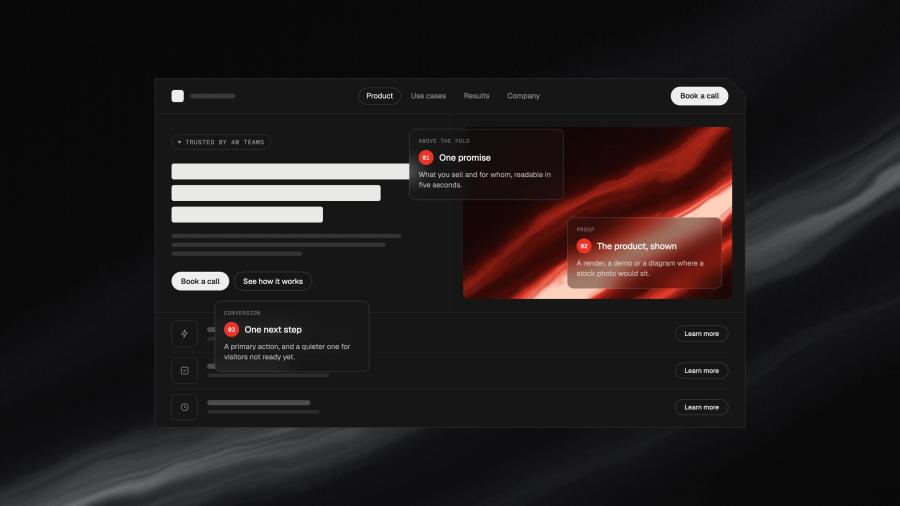
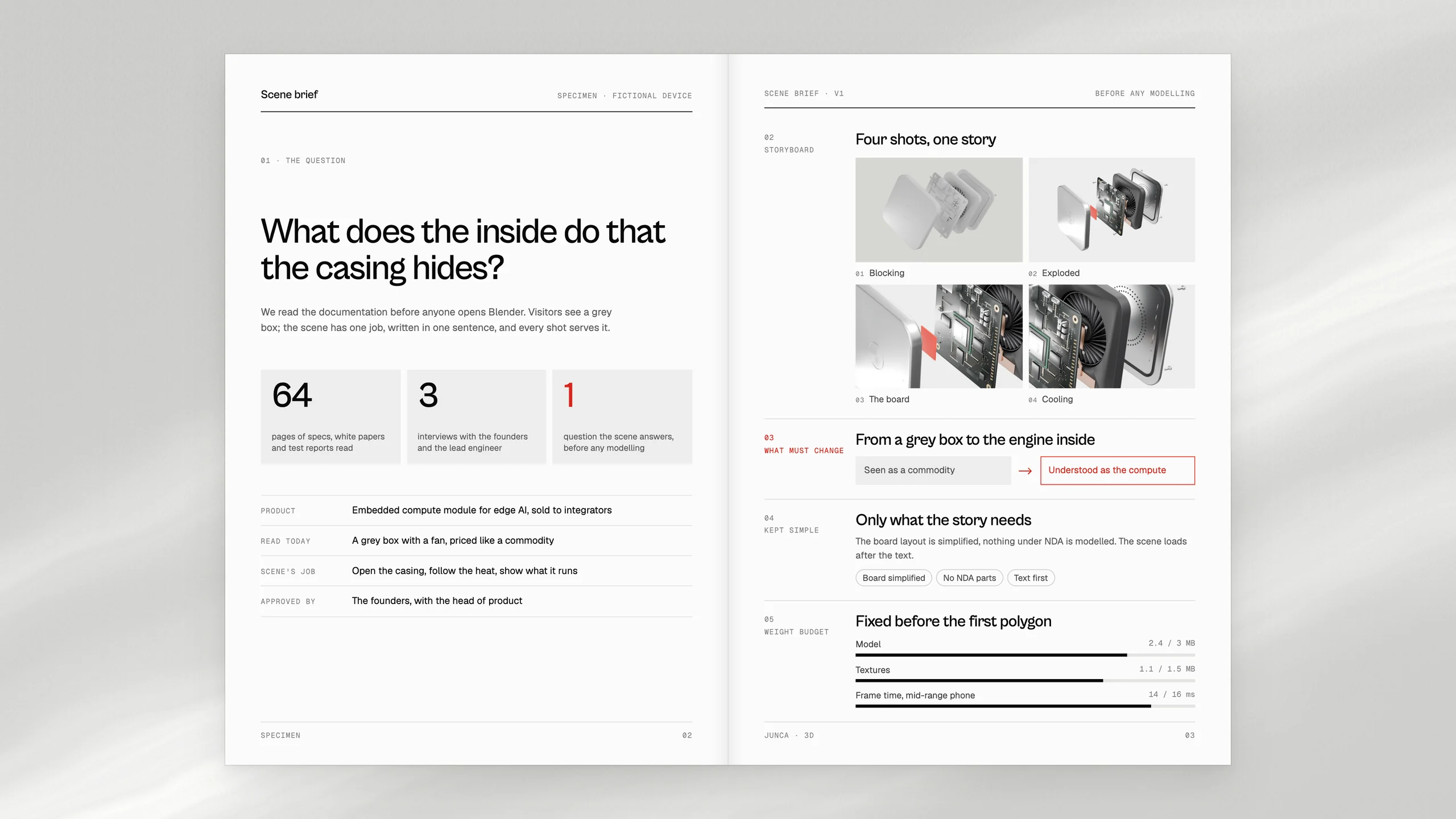
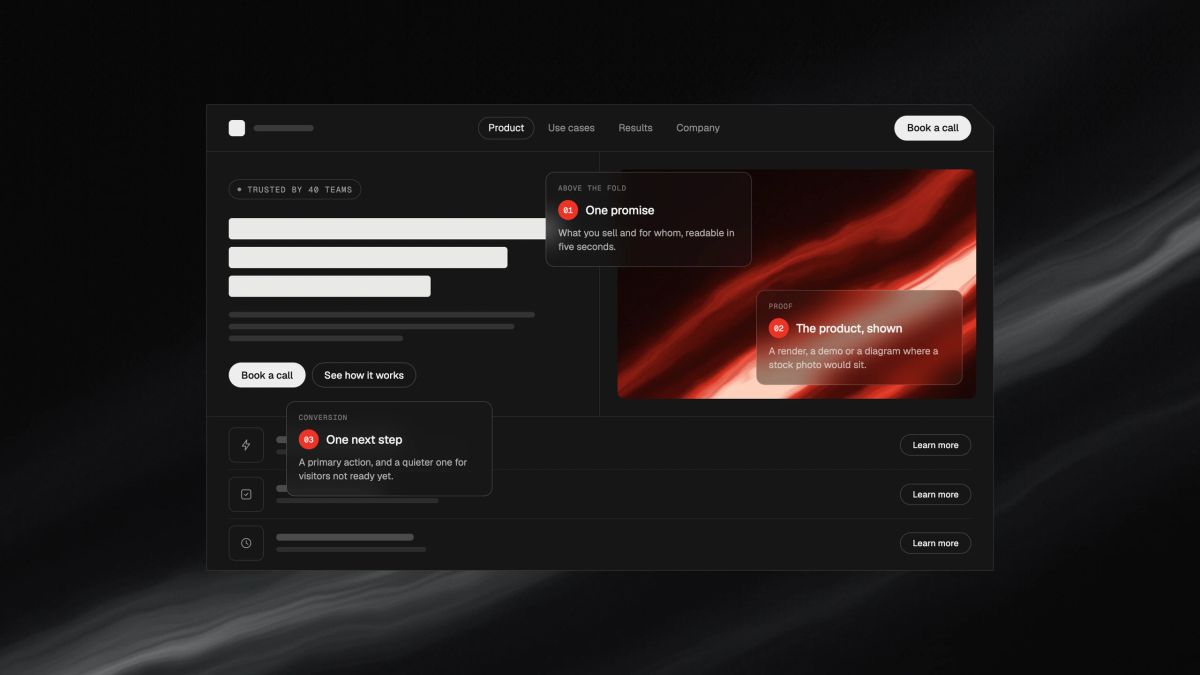
We sit through your demo, read your docs, and map your ICP before we design anything. Then we stage your product so a buyer gets it in one scroll: clear story, visible proof, and one obvious next step.
Step 01
Brief & Immersion
We dig into your tech through your deck, publications and founder interviews before we design.
Step 02
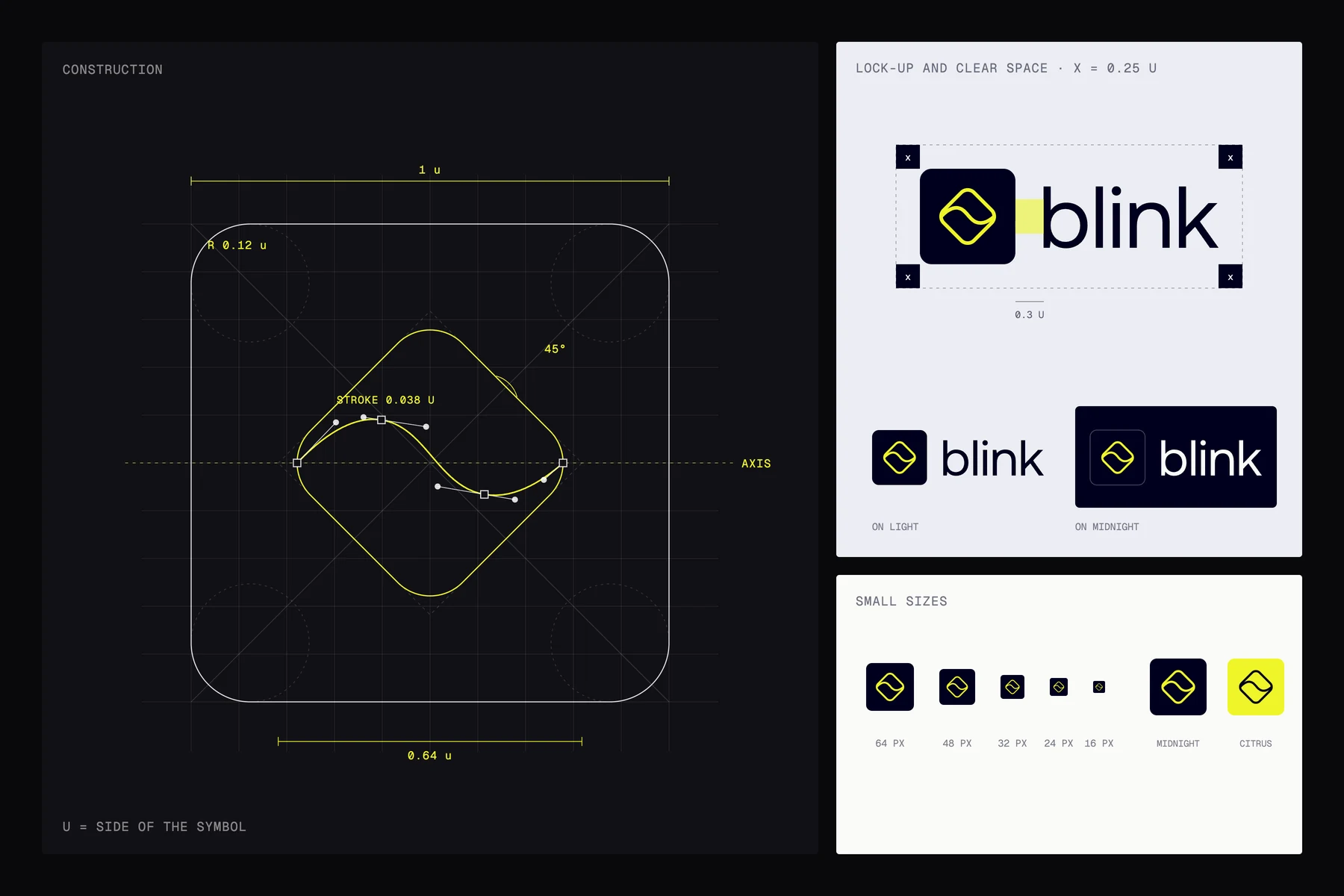
Branding & Art Direction
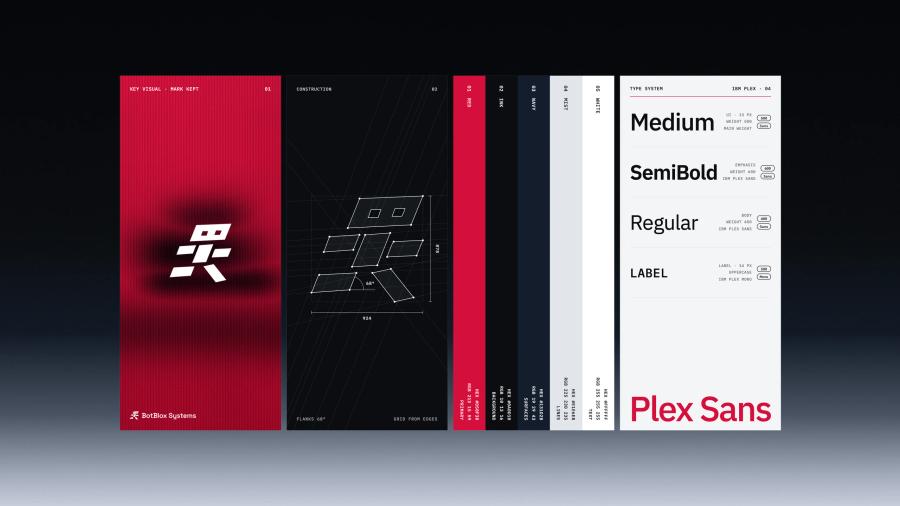
We craft your identity: logo, palette, typography, into a coherent, ownable direction.
Step 03
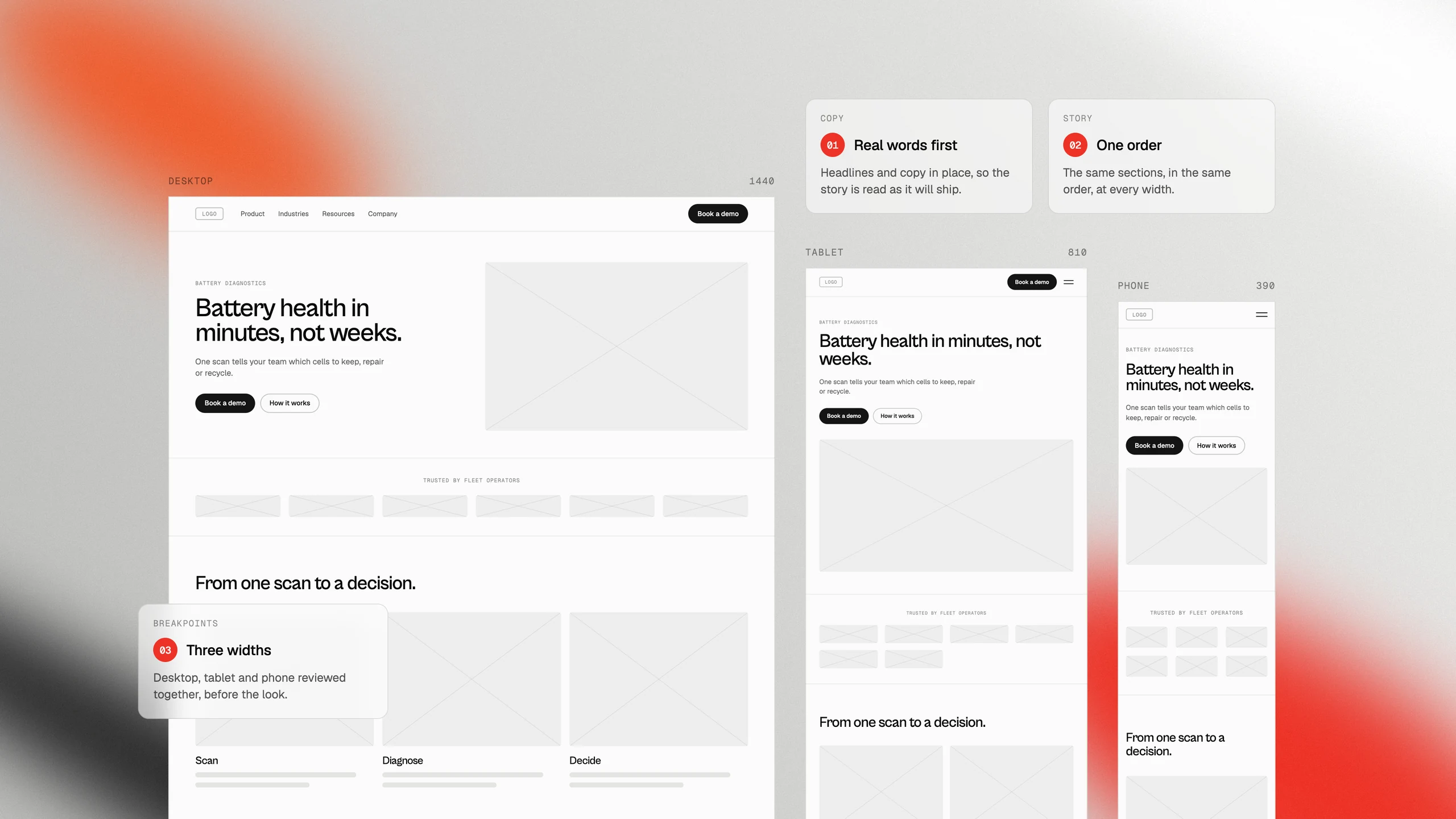
Wireframing
We map each page as a low-fidelity skeleton, locking the structure before any visuals.
Step 04
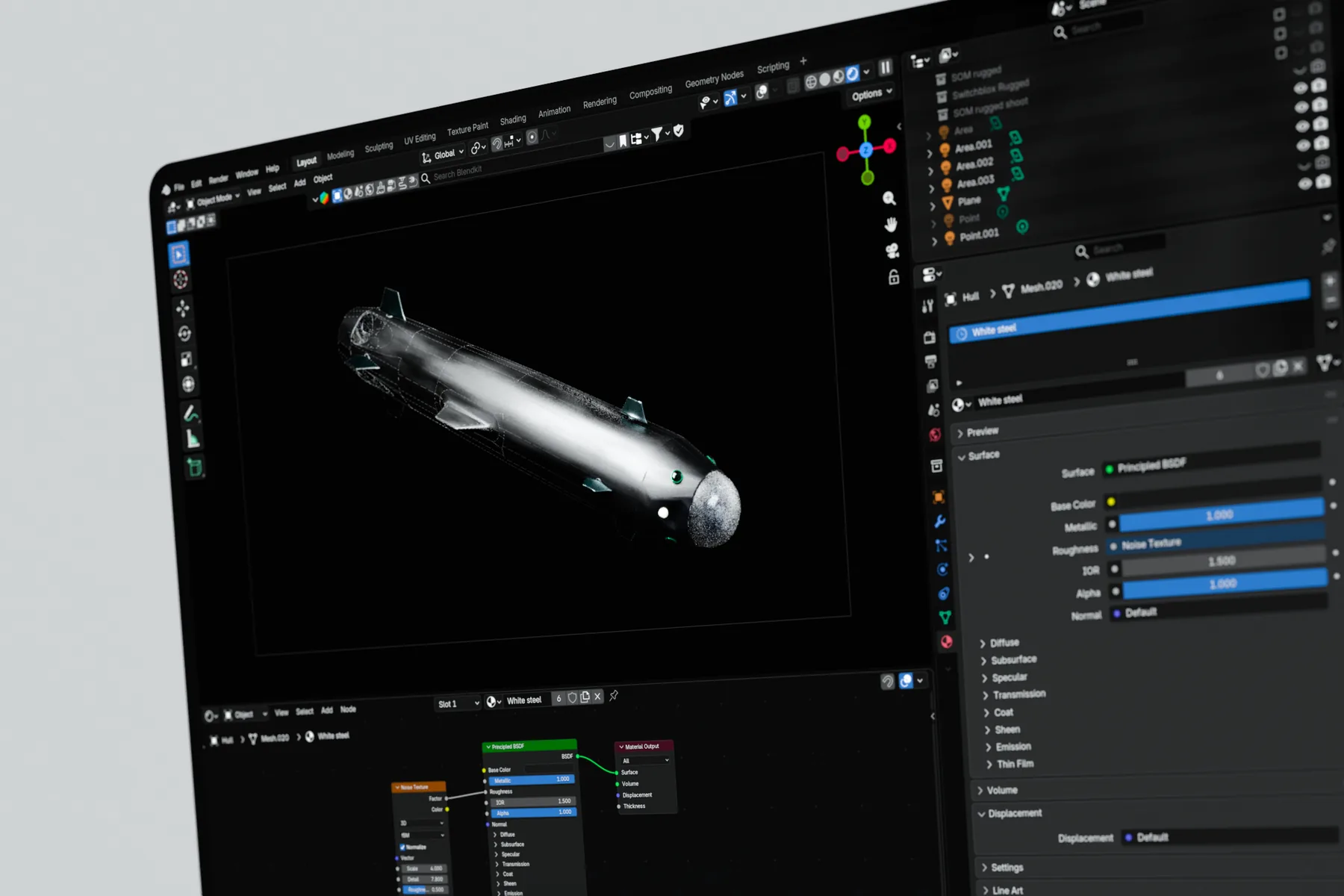
Design & 3D
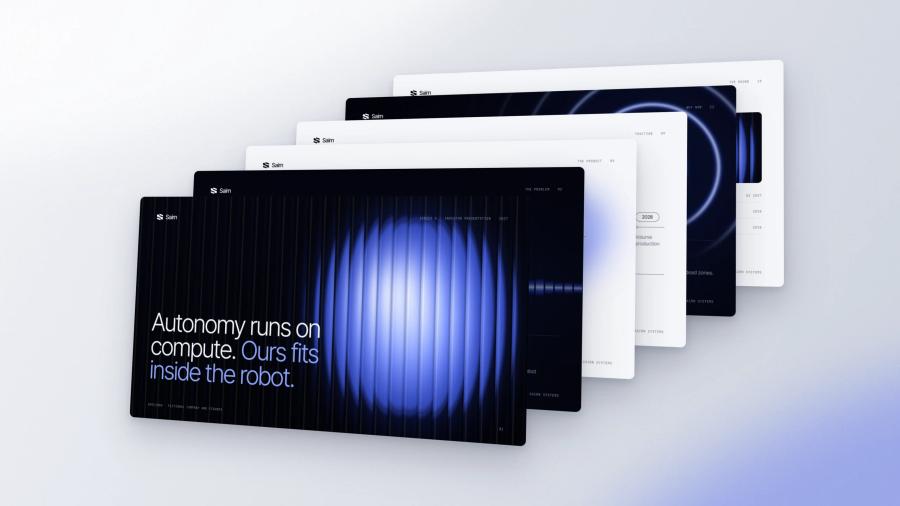
We turn the brand into final UI, custom 3D scenes, and motion that brings it all to life.
Step 05
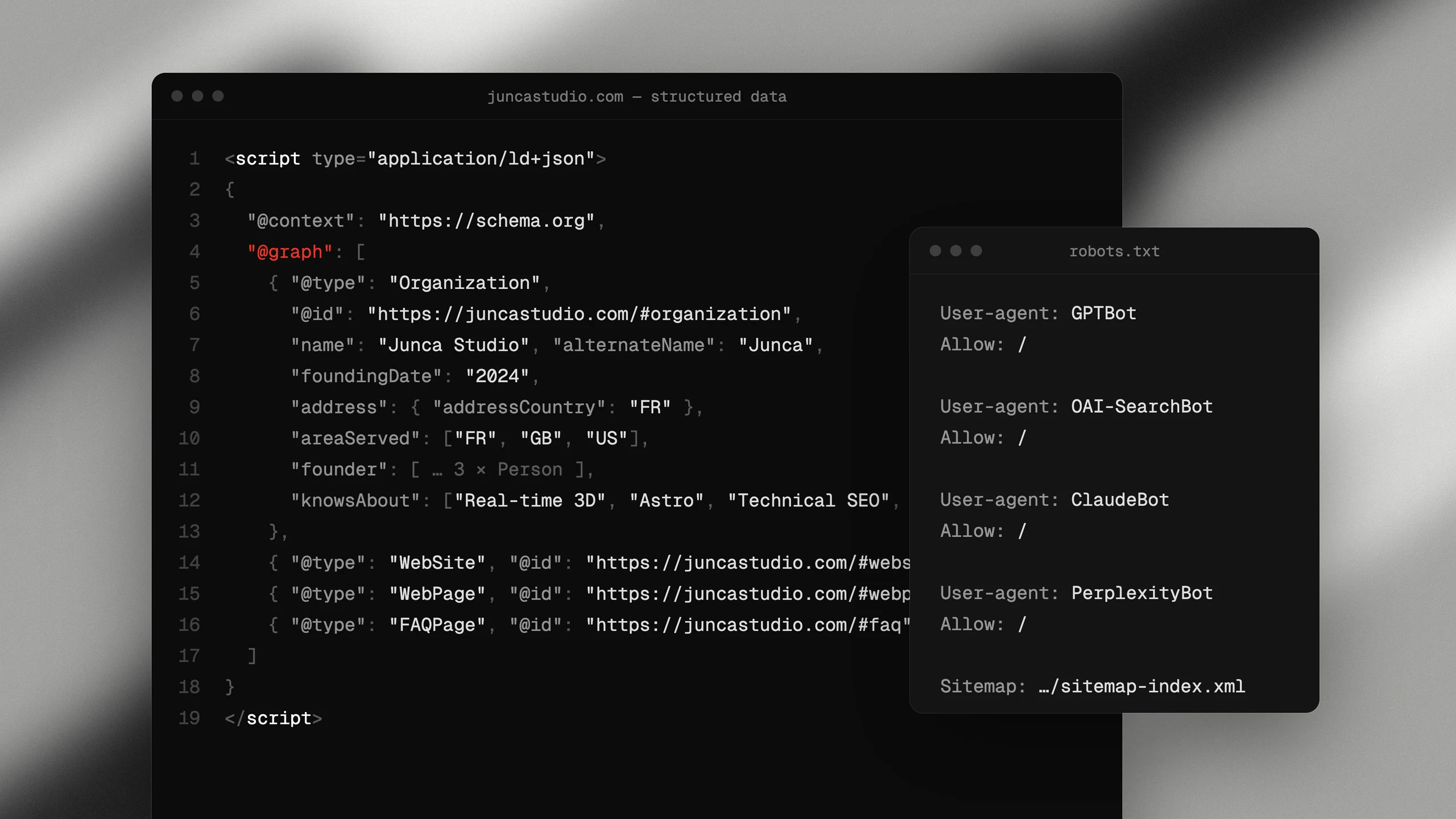
Website Build & Integration
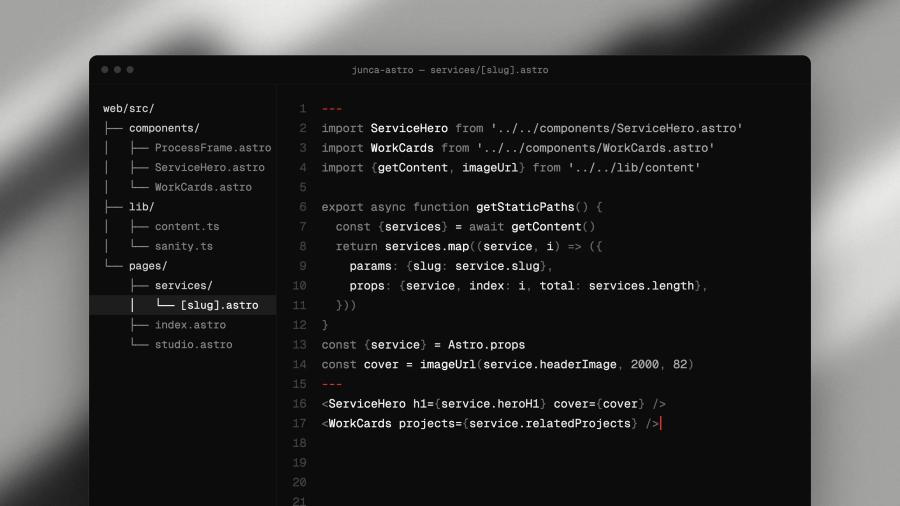
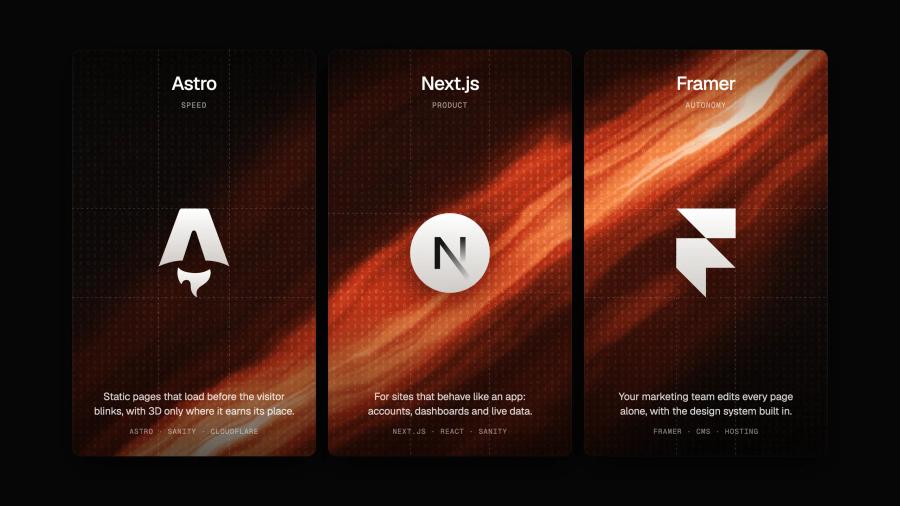
We ship a fast site on Framer, Astro or Next.js, with structured data and clean technical SEO.
Selected work
SaaS & platform projects we've shipped
- Fundraising
- B2B sales pipeline
- Technical hiring
- Industrial partnerships
- Going international
Services
The services we bring to this sector.
How much does a B2B SaaS website cost?
On a SaaS site, the budget moves with how you show the product: static screens, animated UI walkthroughs or interactive demos, plus the number of use-case and integration pages. A SaaS website built in Framer typically ranges from $10,000 to $20,000; with a full brand identity and custom product animation, projects usually range from $20,000 to $50,000. You get a detailed quote after a first call.
Do you optimize for conversion, or just design?
Both. They're the same job. We design the conversion architecture first: CTA strategy, social proof placement, pricing page logic, and the demo funnel. The visual layer exists to make that architecture credible.
How long does a B2B SaaS website take?
Between 4 and 12 weeks depending on scope. A standard marketing site takes 4–6 weeks. A project with custom motion, illustration systems, and full copywriting runs 8–12 weeks.
Can our marketing team manage the site after launch?
Yes. Framer lets your team edit copy, ship landing pages, and run experiments without a developer in the loop. We train your team at handover so you stay autonomous.
Can you work with our existing brand?
Yes. We either build on your existing design system or evolve it where it limits conversion. If you need a full rebrand, we handle identity and website as one coherent project.
Why hire designer-engineers for a SaaS website?
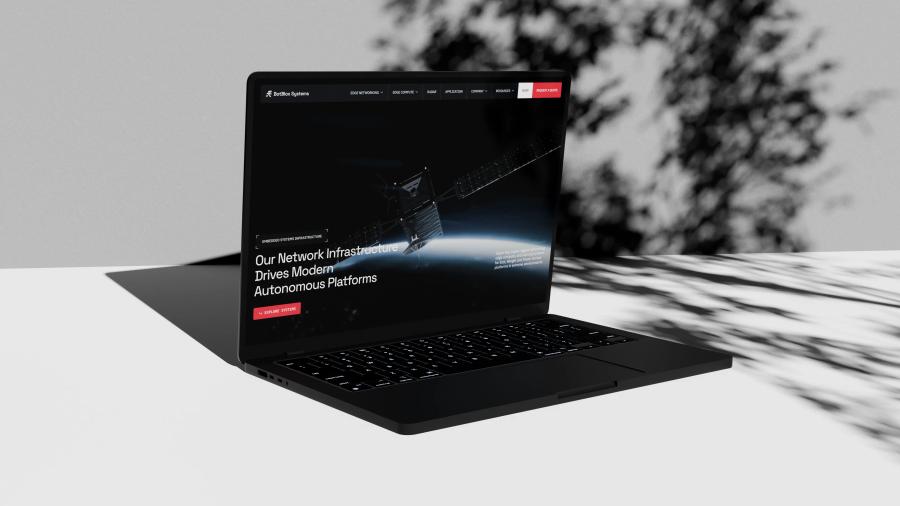
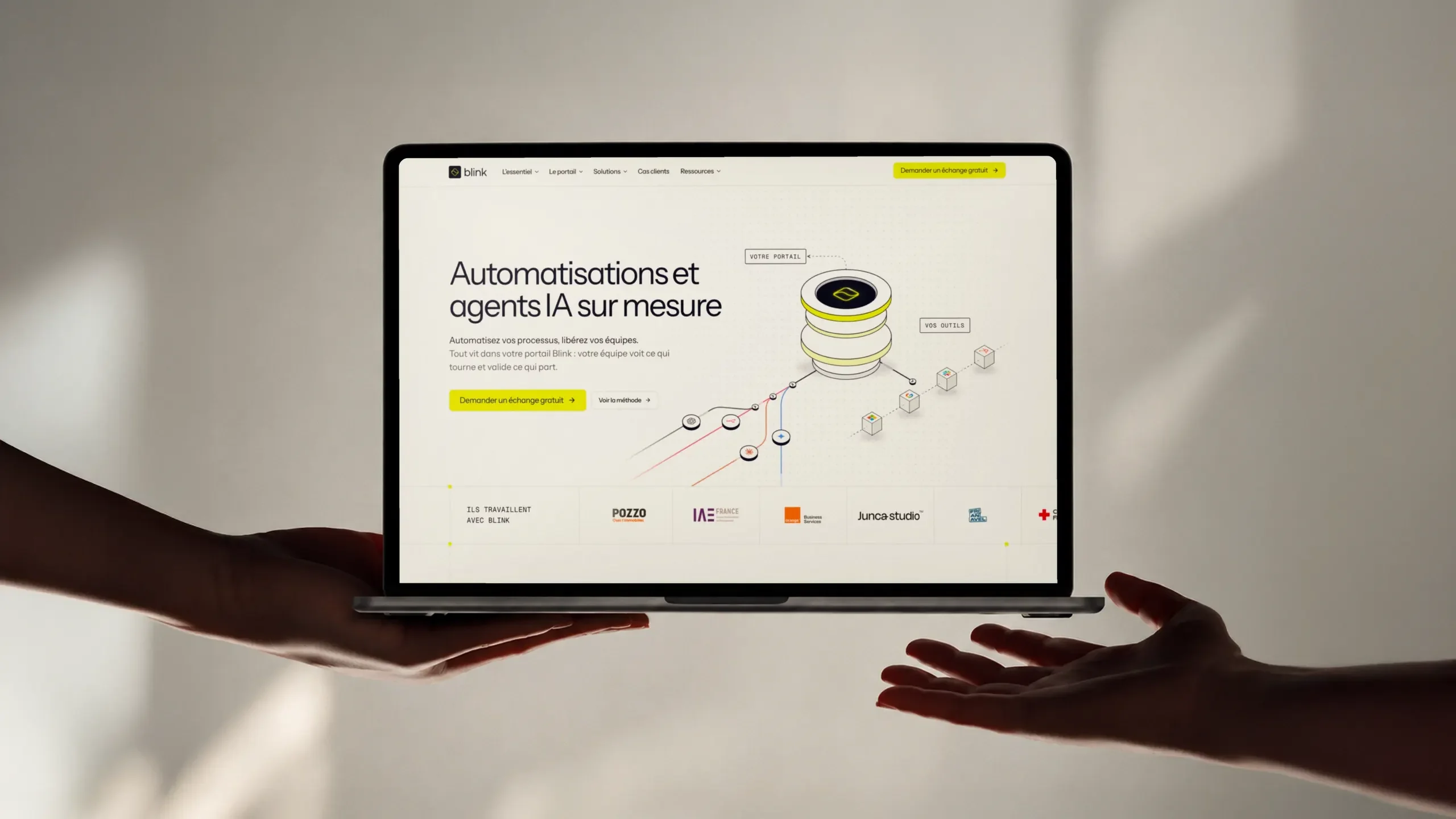
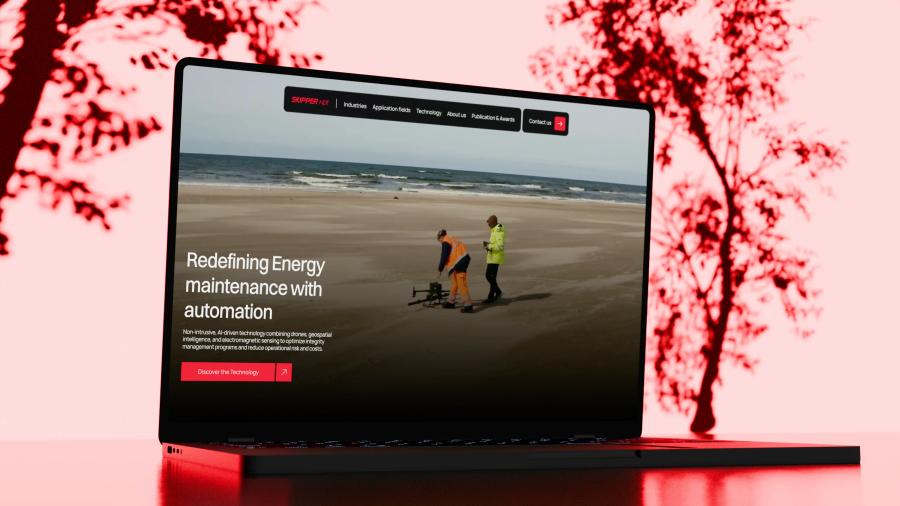
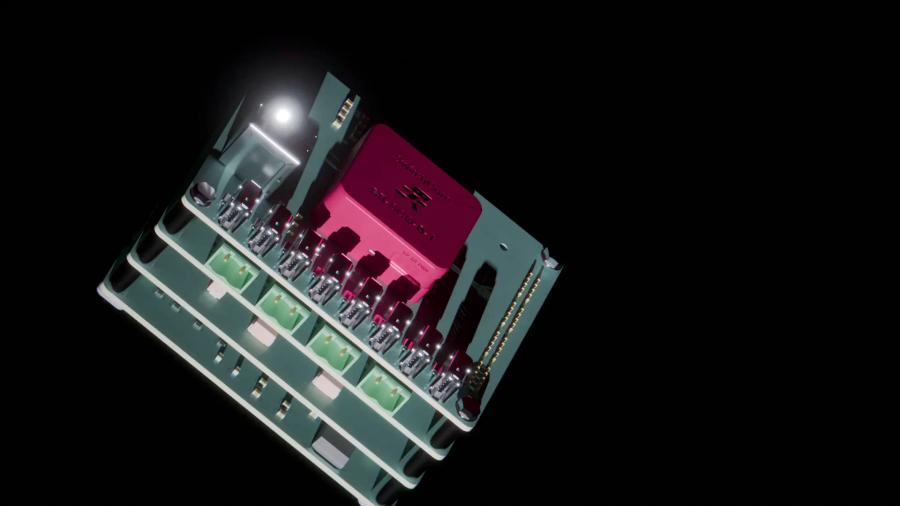
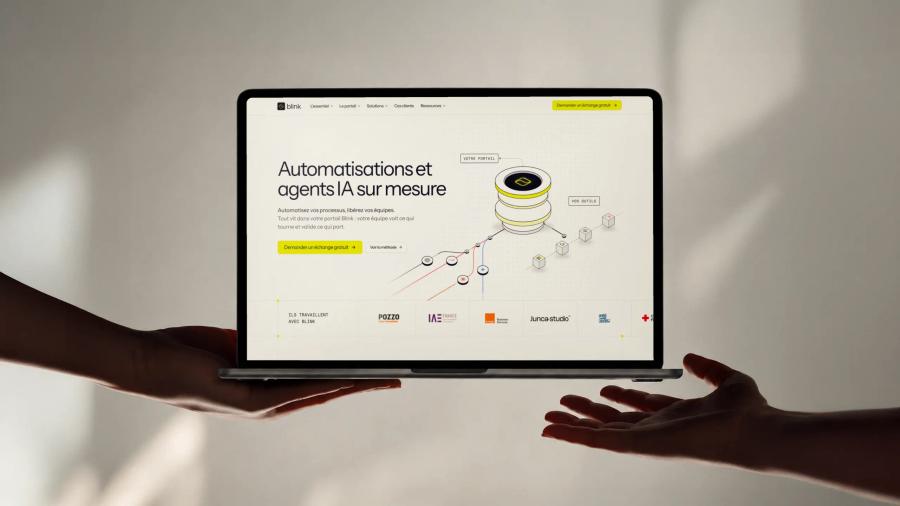
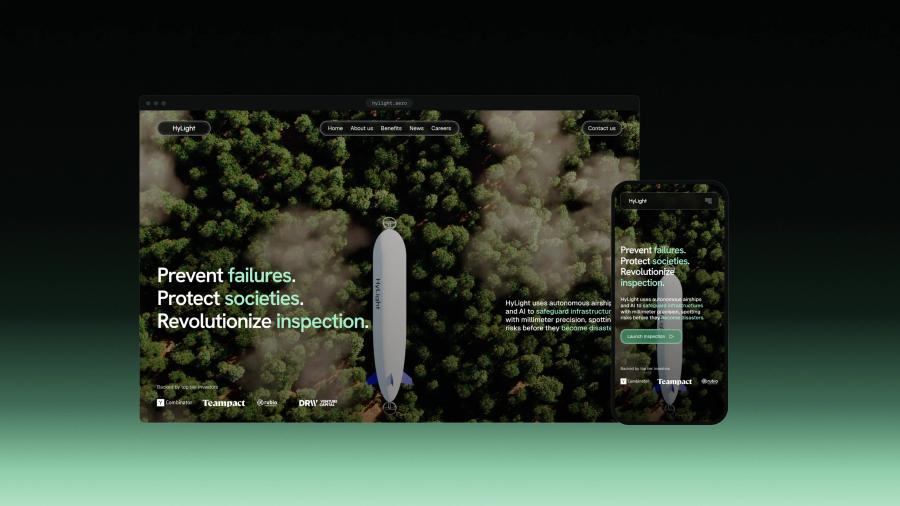
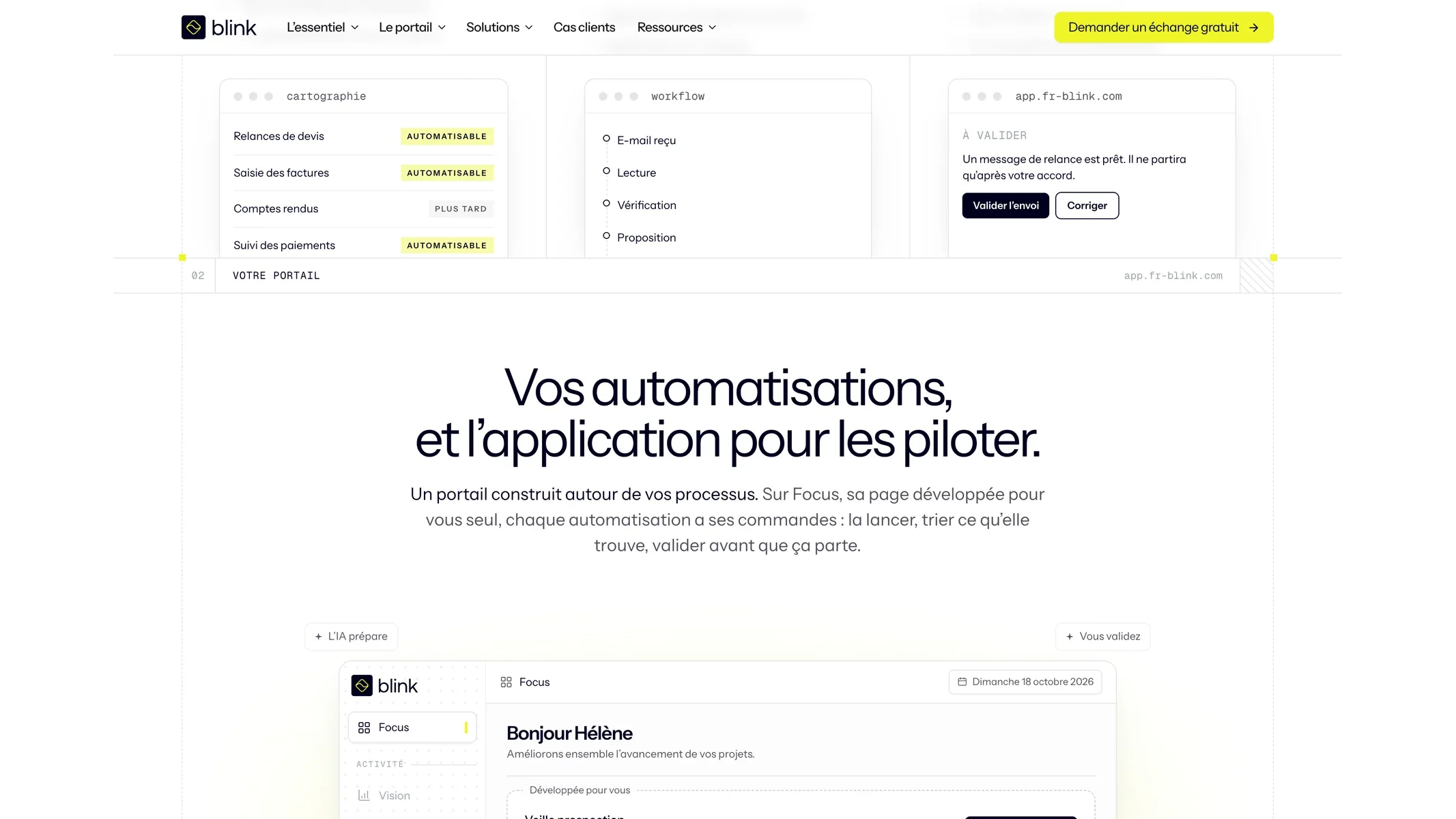
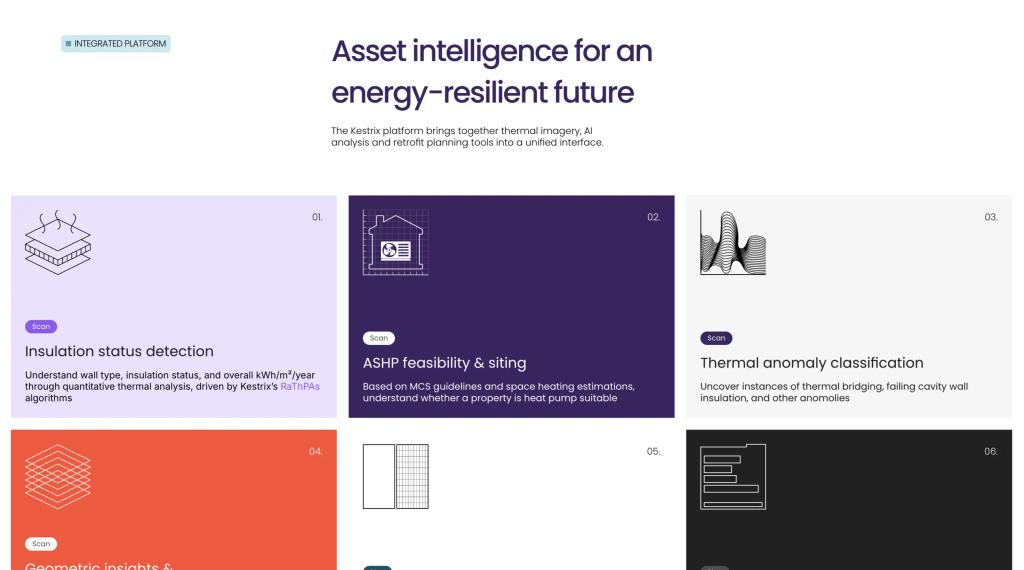
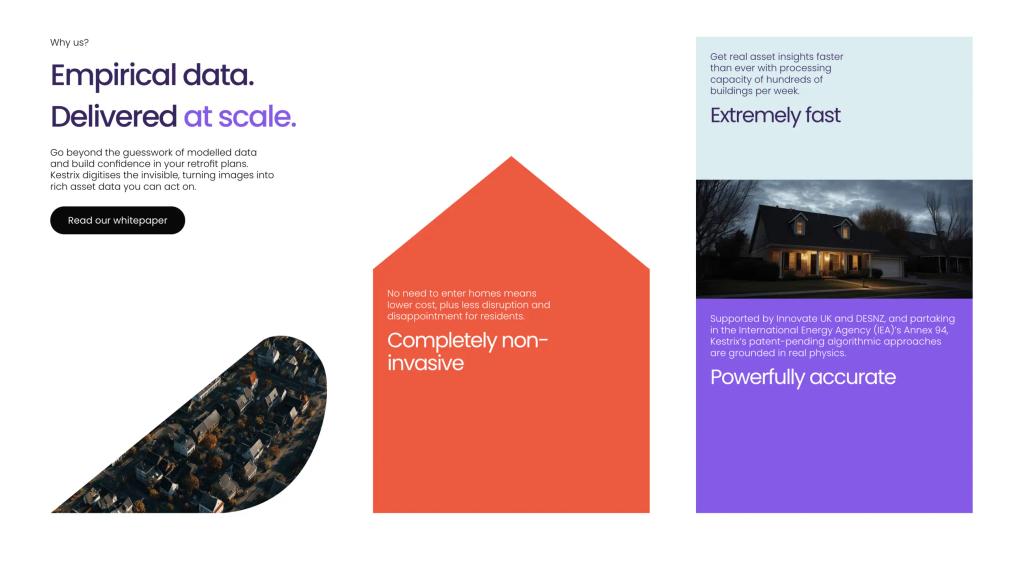
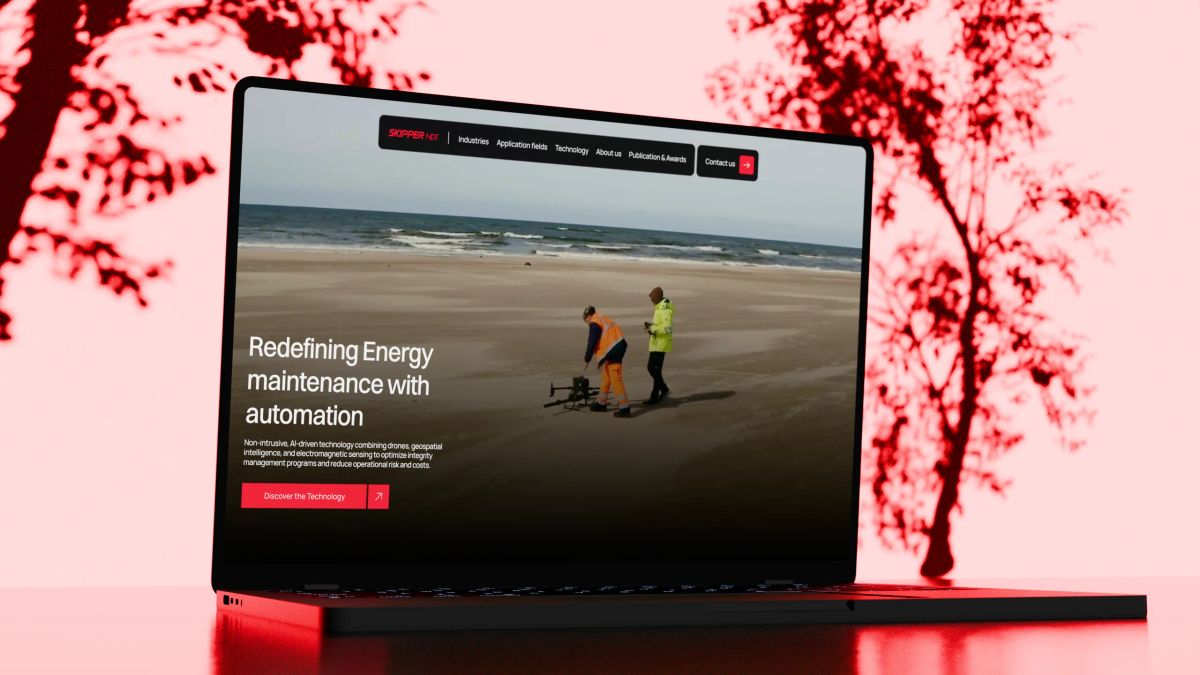
Because our engineering background means we understand technical products and technical buyers. We've turned complex platforms, from thermal data (Kestrix) to automation (Blink), into websites that convert.
UX and conversion rate: 7 design mistakes that drive your visitors away
5 min read
The most common UX mistakes we see on tech company websites, and how to fix them to stop losing conversions.
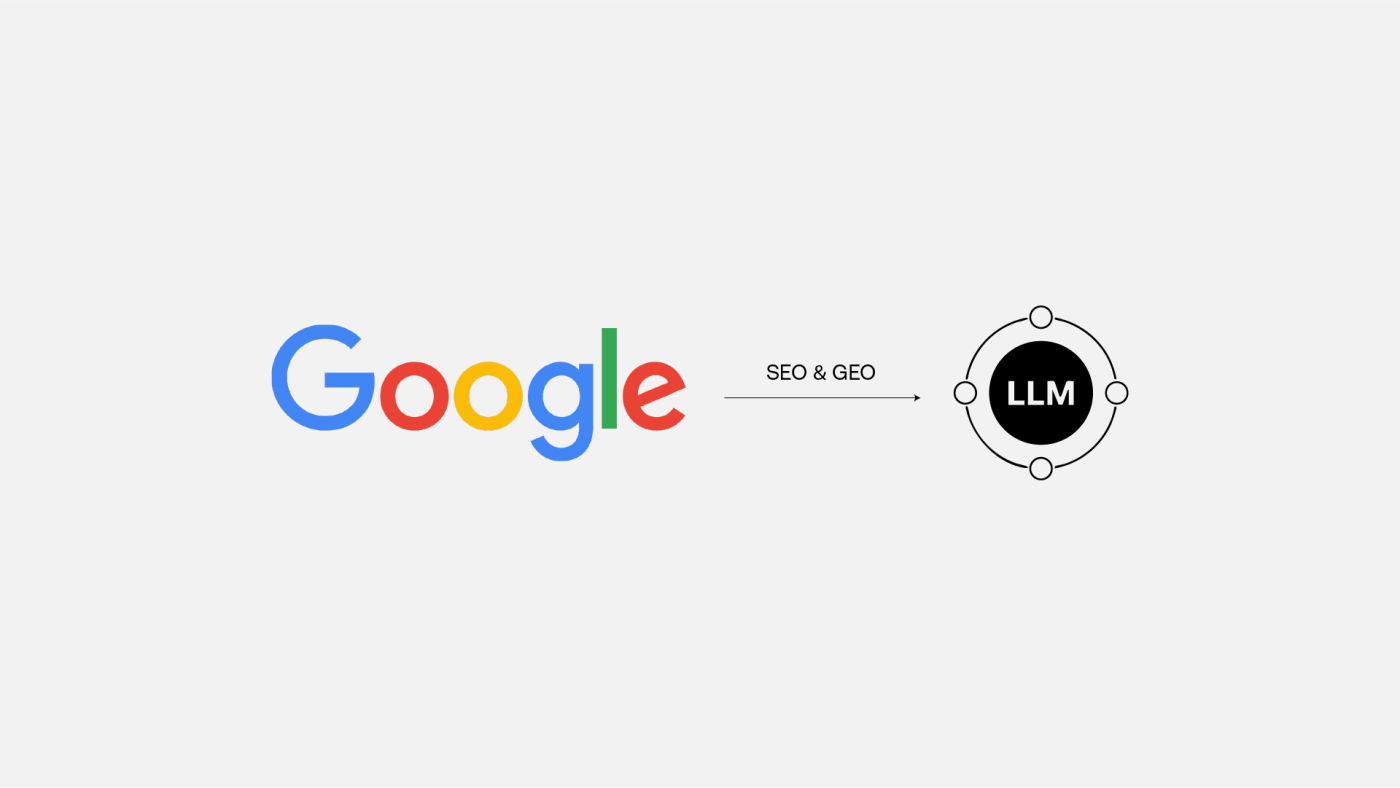
How to build a website designed for SEO and GEO from day one
6 min read
Building a high-performing website isn't about adding SEO at the end. Here's how to structure content, architecture, and visibility for SEO and GEO from the start.
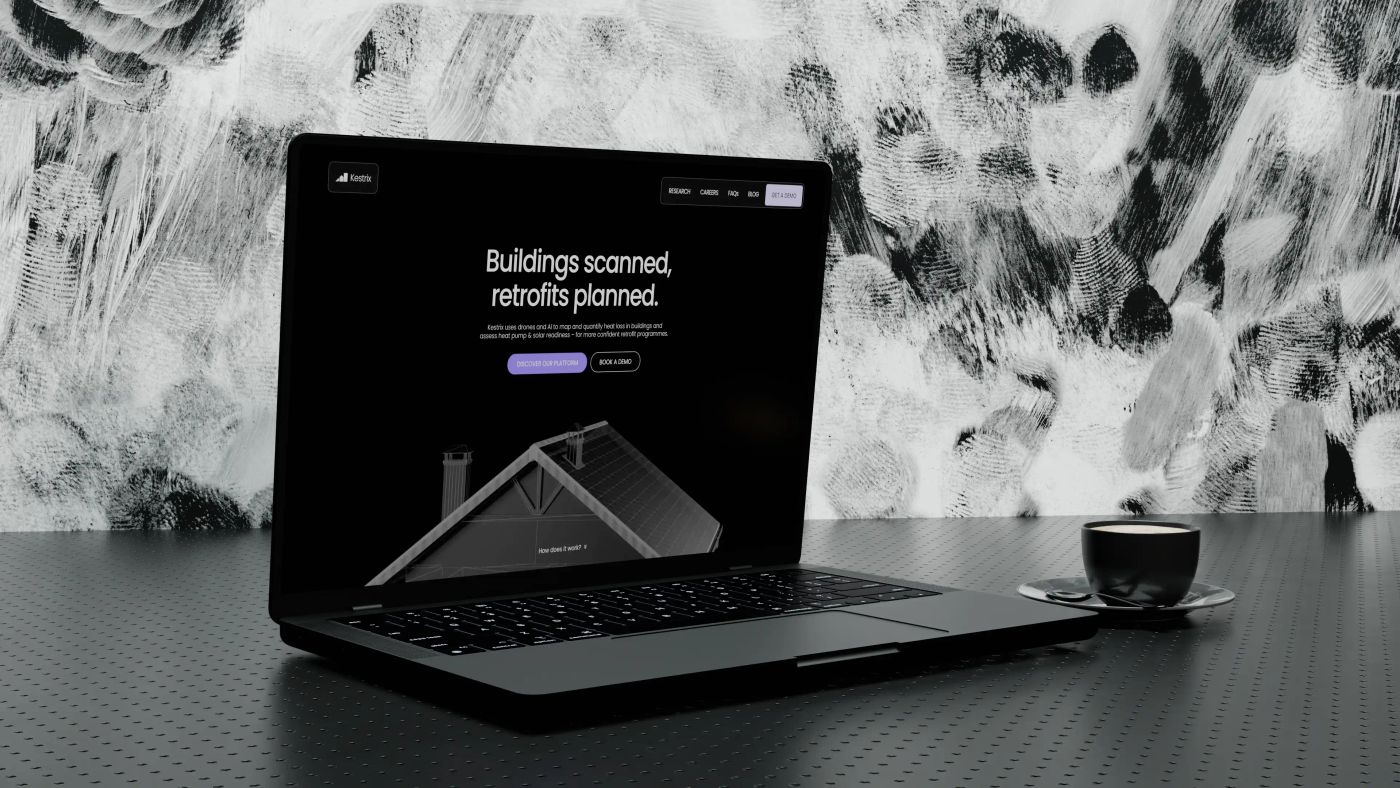
How much does a website redesign cost in 2026?
9 min read
A transparent breakdown of website redesign costs: what drives the price, what to expect at each budget level, and why cheap rarely means effective.
Framer vs Webflow: why we chose Framer at Junca
7 min read
An honest, experience-based comparison of Framer and Webflow: performance, design freedom, CMS, SEO, and client autonomy.

AI, templates, no-code: is web design still worth it?
9 min read
With AI generating layouts and no-code tools commoditizing websites, where does custom web design still create real value in 2026?
Other industries
Back to all industries