





A premium Framer site in 4 to 6 weeks, built by a team that also designs identities, makes 3D and writes code.
A Framer agency for tech startups that want to edit their own site

What it is
Framer development is the design and build of a production website in Framer, a visual web builder with its own CMS and hosting, so a marketing team can change pages without a developer.
For a tech startup, it fits a precise moment: the product changes every quarter, the website has to keep up, and nobody on the team should open a code editor to rewrite a headline or publish a case study.
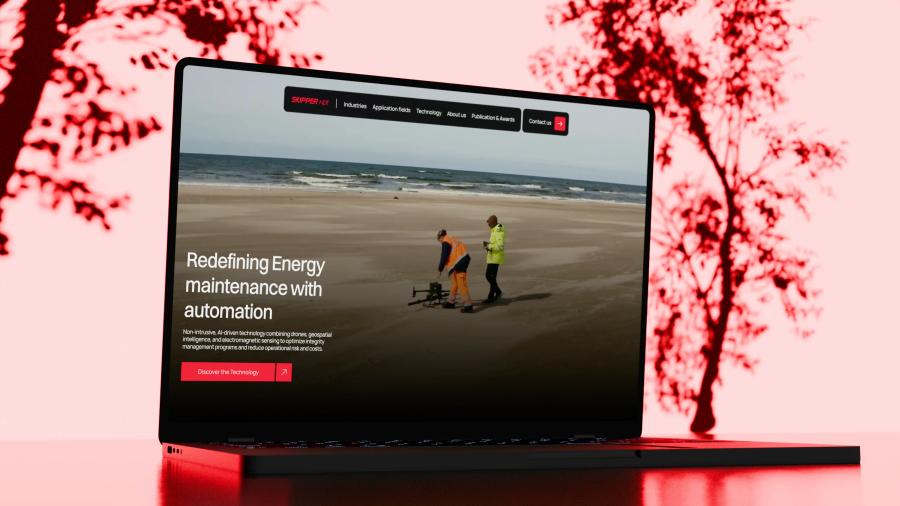
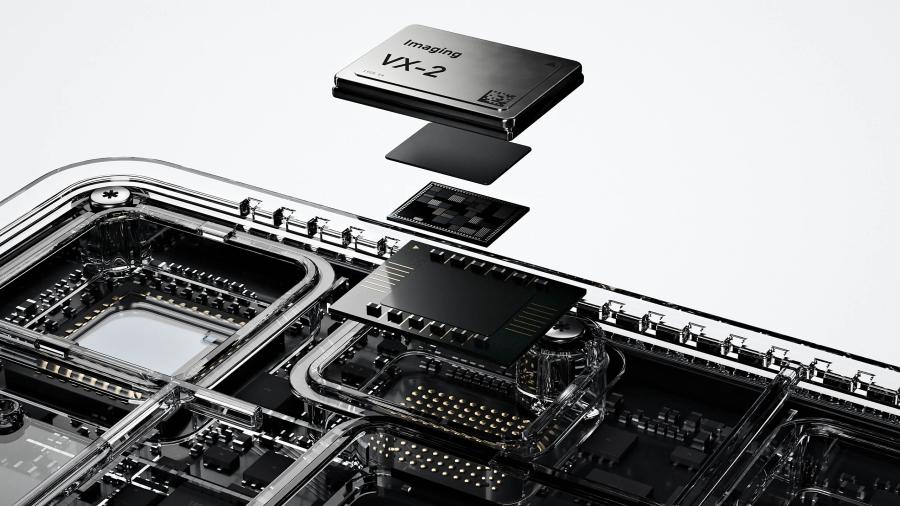
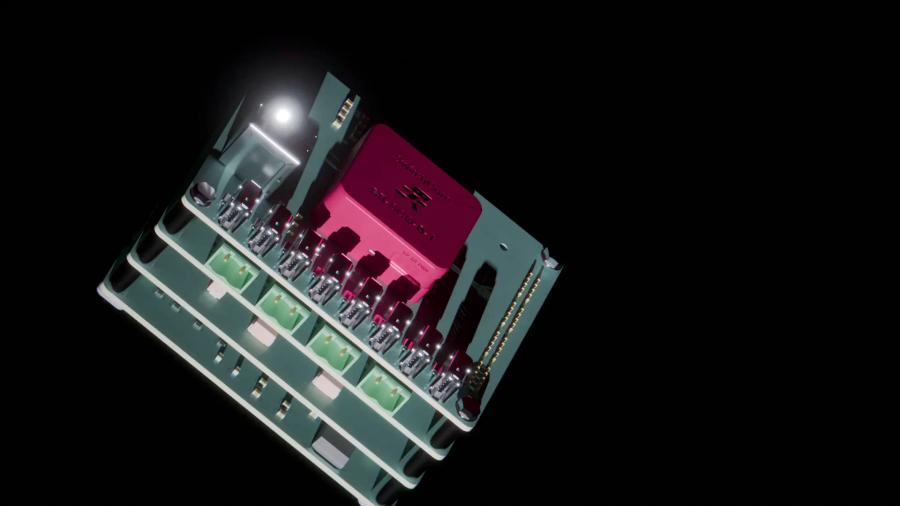
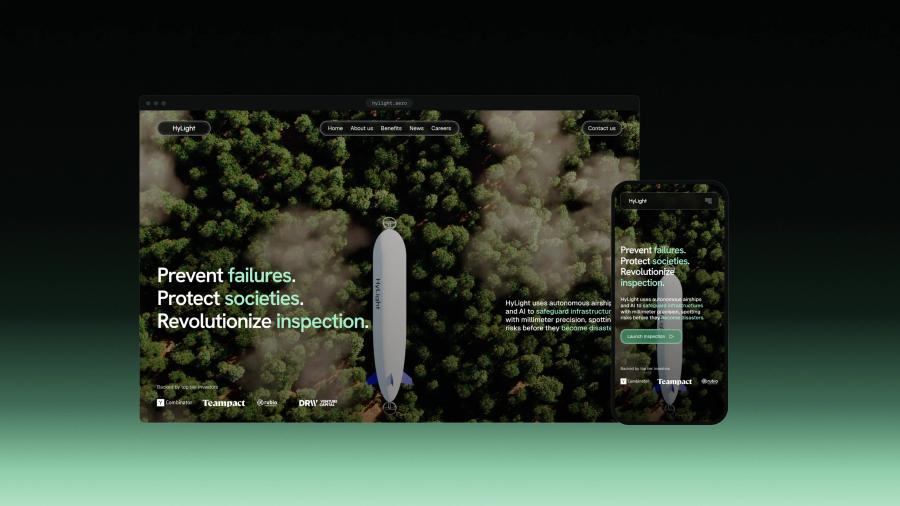
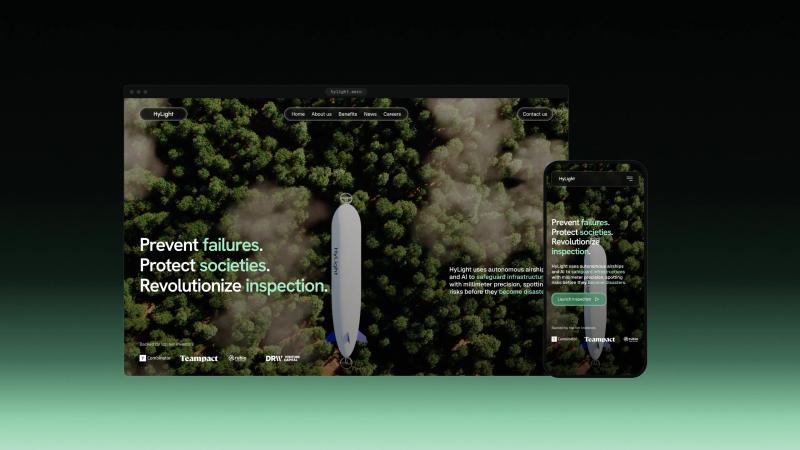
We design directly in Framer, so what you approve is what goes live, then shape the CMS around how your team actually publishes. When the brand lags behind the product, we redo the identity in the same project; when the product is hard to show, we add 3D written in Three.js. Hylight, BotBlox, Kestrix and Skipper NDT run on Framer sites we built. And when a project needs more than Framer gives, we say so and build it in code.
The problem
Your product moved on three times this year. Your website still describes the first version.
Where Framer projects go wrong for tech companies
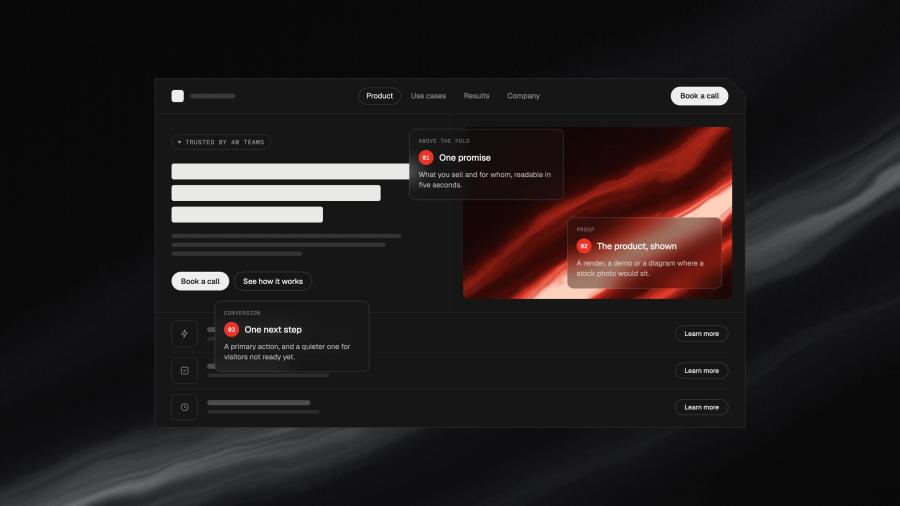
Framer makes building a site fast. It does not make it good. The tool is rarely the problem. The trouble comes from templates sized for a generic SaaS, a CMS nobody on your team was trained on, and a builder who cannot tell you when your project has outgrown the tool.
The traps
Trap 0101 / 04
Built for generic software
A template wearing your logo
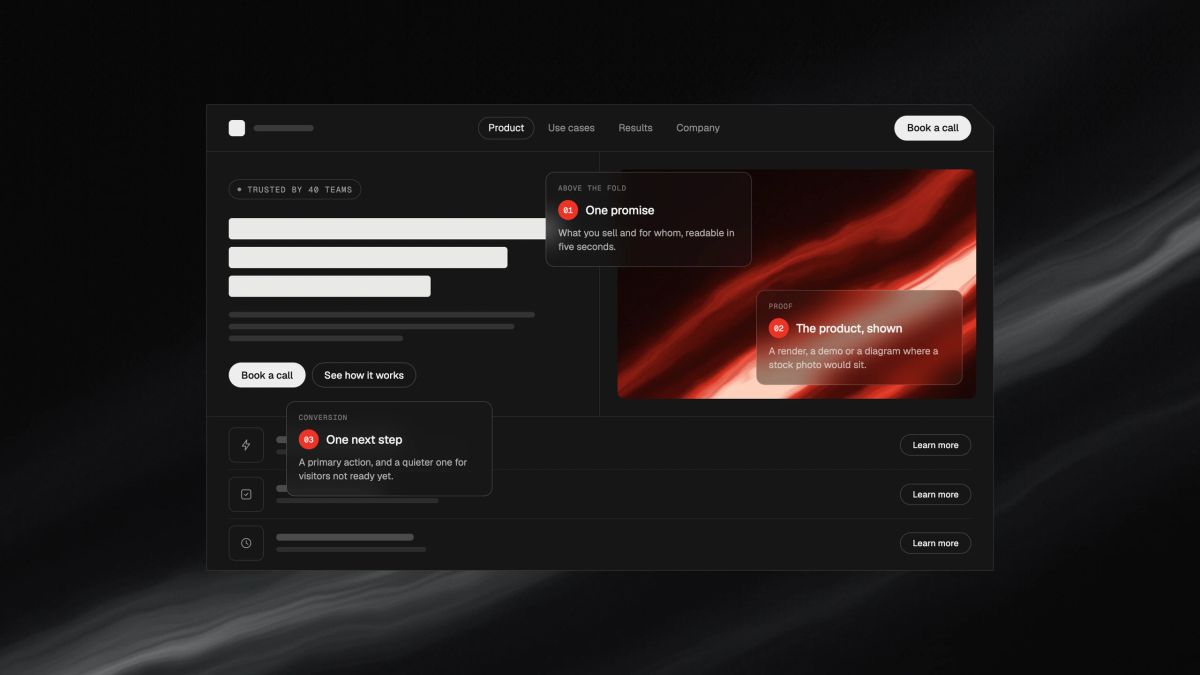
Framer's marketplace is full of polished templates built for generic software: a hero, three feature cards, a pricing table. Your company sells hardware, a scientific process or an industrial service, and the template has no room for the mechanism, the field data or the proof. We design the structure around how your buyers decide, then build it in Framer, never the other way round.
Trap 0202 / 04

Every update goes back to the agency
A CMS only the agency uses
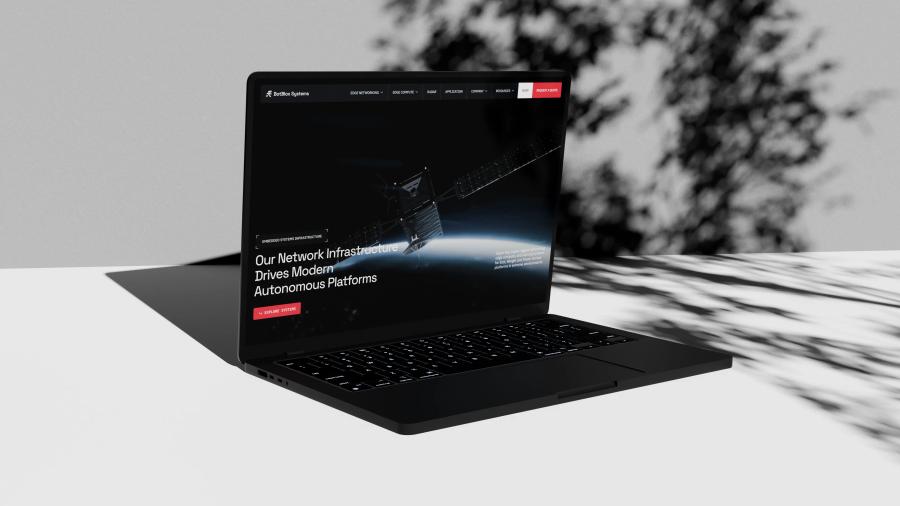
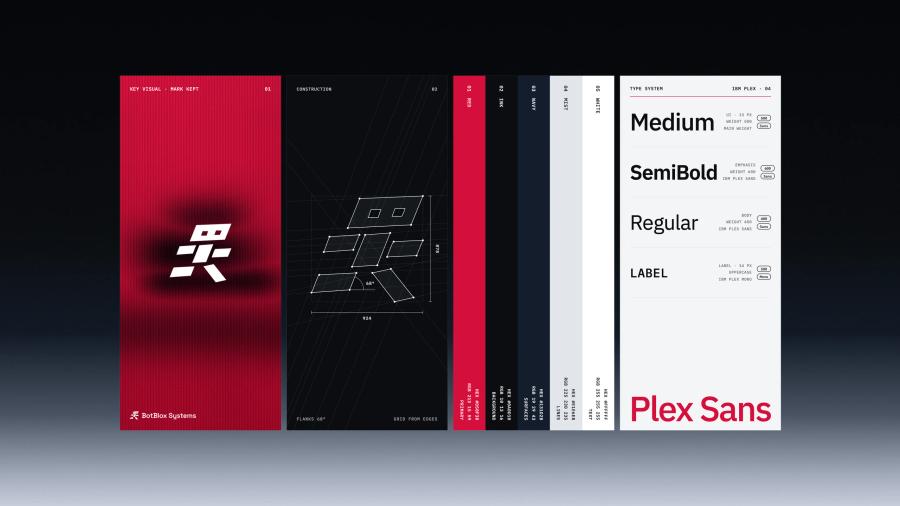
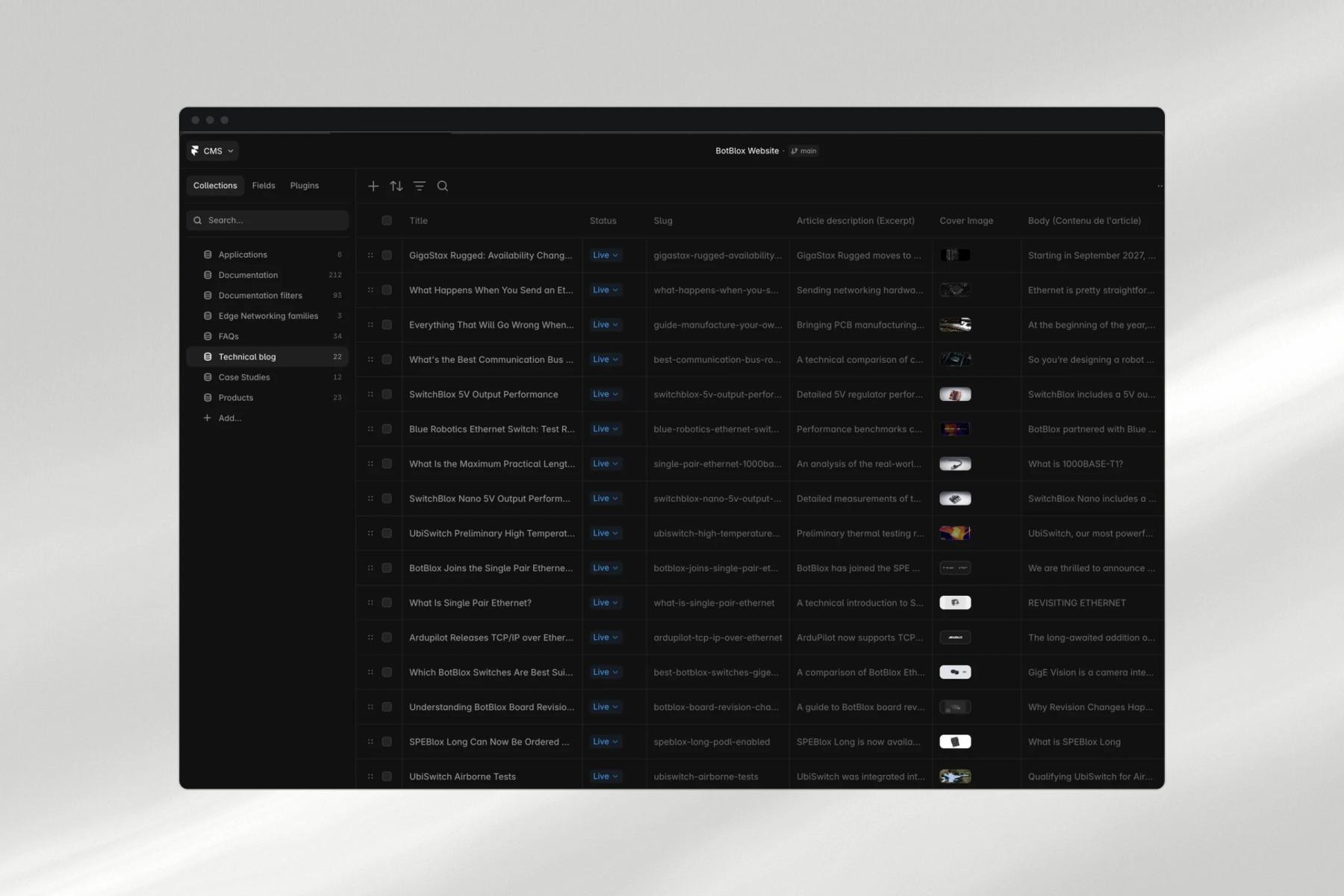
The site launches, then every new case study or job post goes back to the agency, because the collections were set up for the designer, not for the people who publish. We model the CMS around what you actually release: use cases, product families, articles, careers. BotBlox's team runs a full resources hub of documentation, technical articles, case studies and FAQs on its own.
Trap 0303 / 04

Fast pages, missing structure
Beautiful, then invisible to search
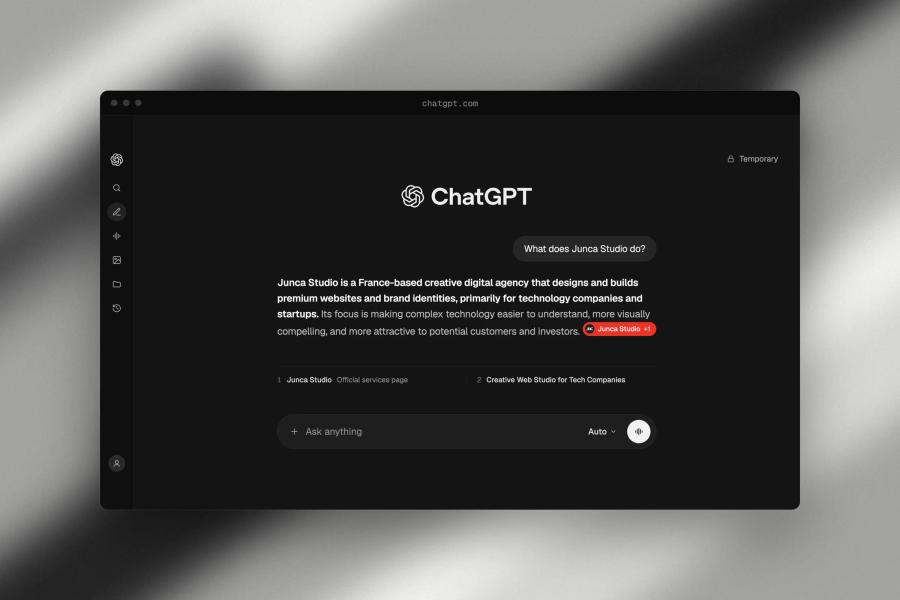
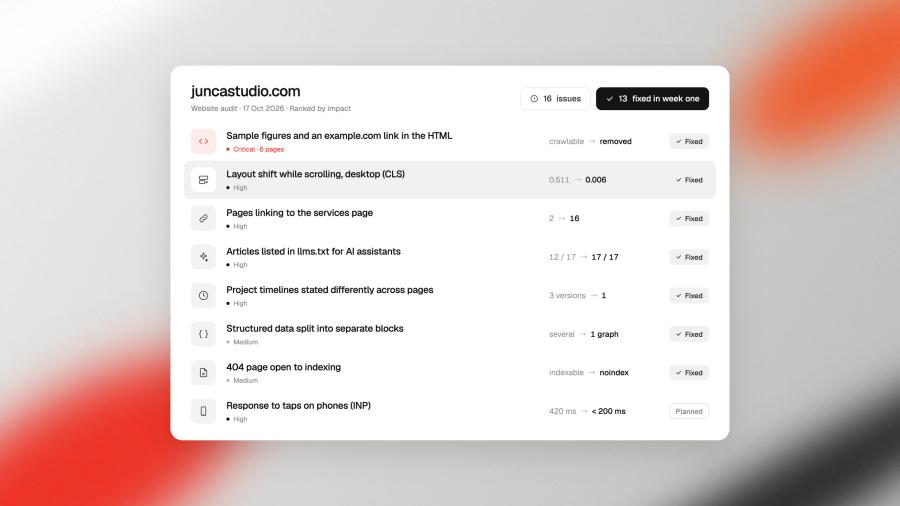
Framer serves fast static pages, but speed is not structure. Without a clean heading hierarchy, written titles and descriptions, structured data and redirects from the old addresses, a new Framer site can lose the rankings the old one had earned. We set all of it up during the build and map every old URL before launch, so search engines and AI assistants keep finding you.
Trap 0404 / 04
One tool pushed too far
Stuck at the tool's ceiling
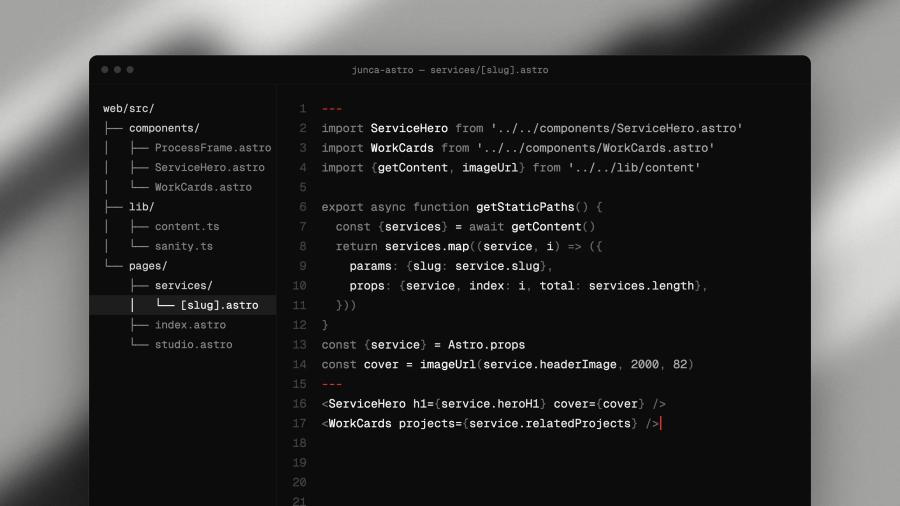
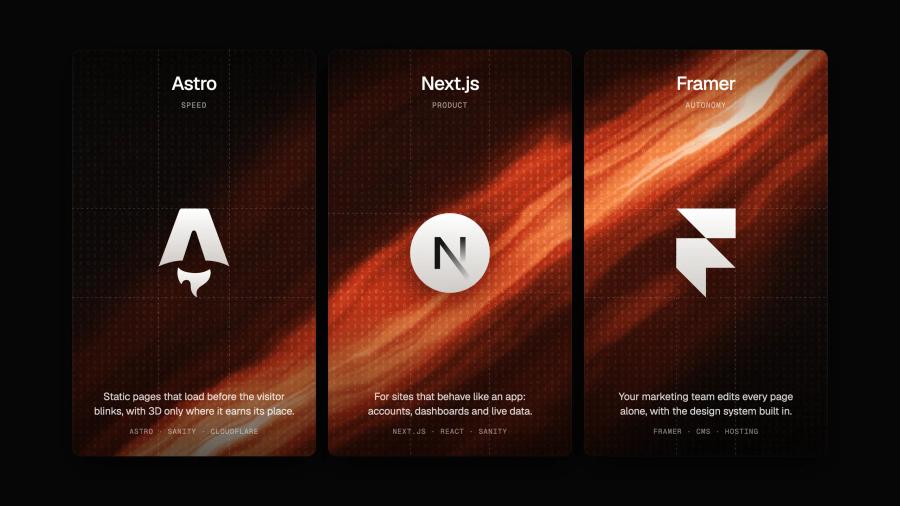
Some needs do not belong in Framer: thousands of structured pages, shader-level 3D, content shared with your product, features behind a login. A Framer-only agency will push the tool past what it does well. We build in Framer and in custom code, so we can tell you which one your project needs, and move you to Astro or Next.js when the time comes.
The process
From brief to a Framer site your team runs
Framer, identity and 3D are designed by the same team. You follow the project in the Junca client portal: the schedule, copy reviews section by section, approvals, documents and every deliverable, in one place, and you talk to the people building your site, never to an account manager.
Step 01
Brief and structure
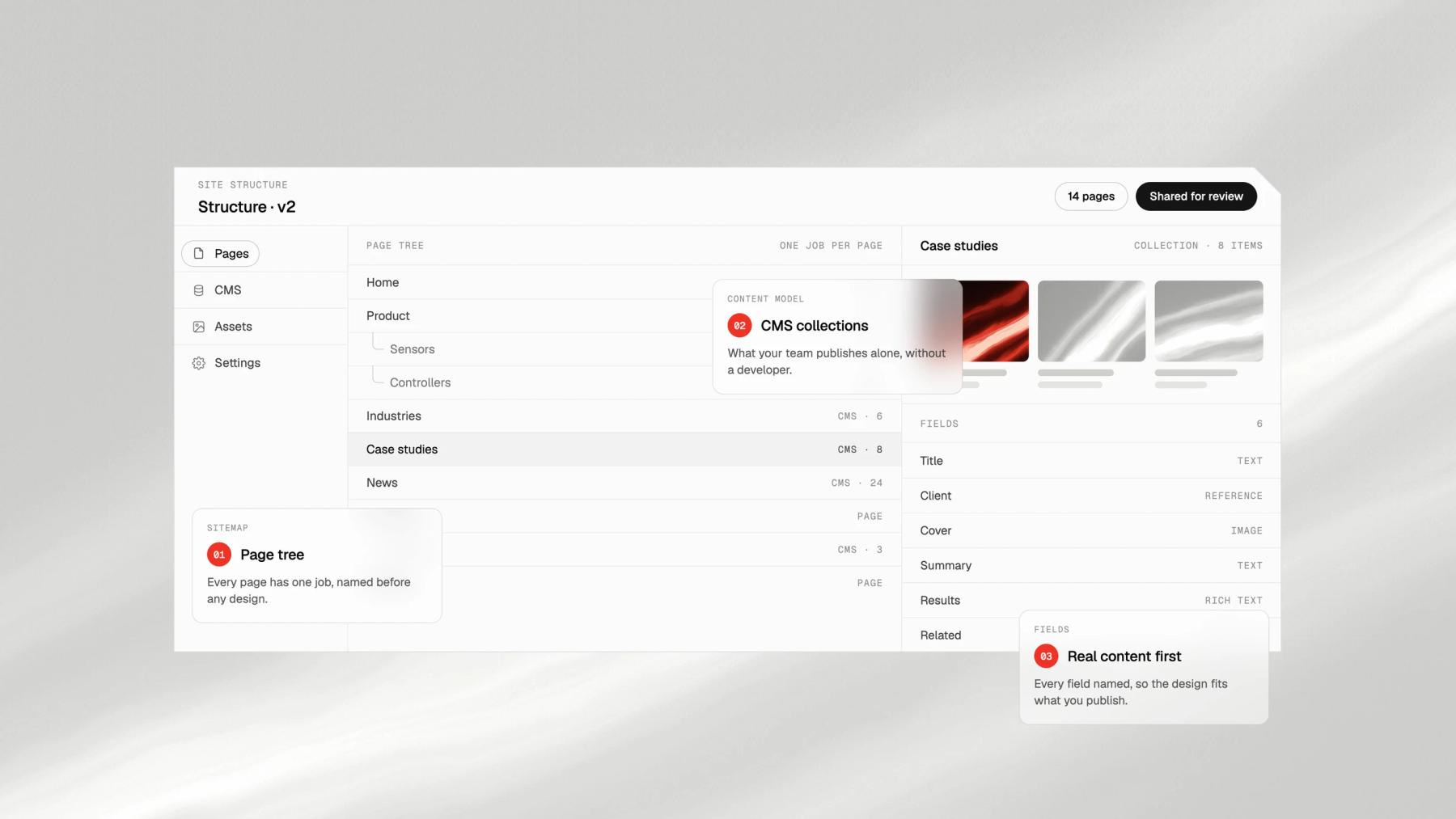
We learn the product, the buyers and the proof, then fix the page tree and the CMS model before any visual work.
Step 02
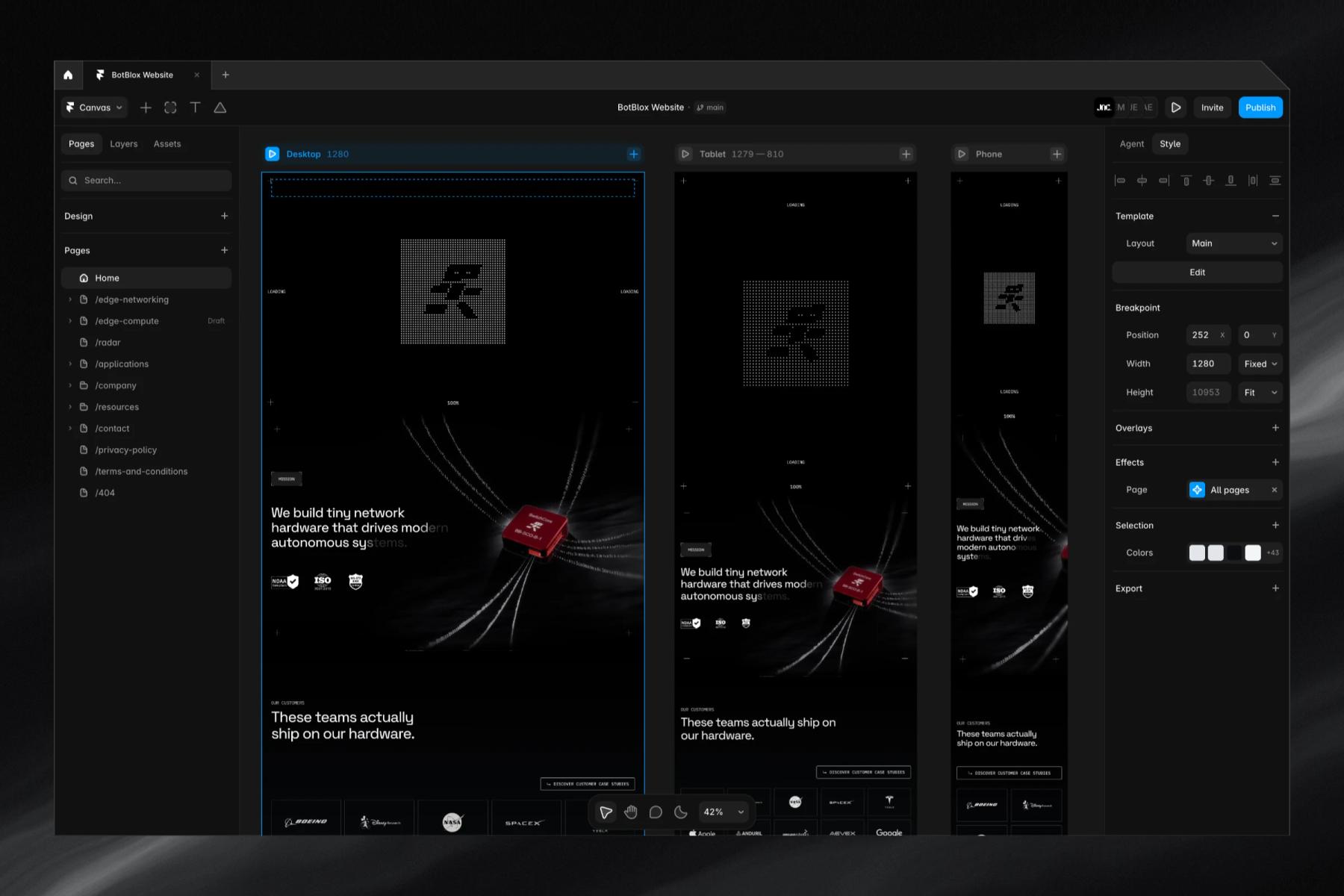
Design in Framer
Pages are designed in Framer at desktop, tablet and phone widths, on real content, so approval means production-ready.
Step 03
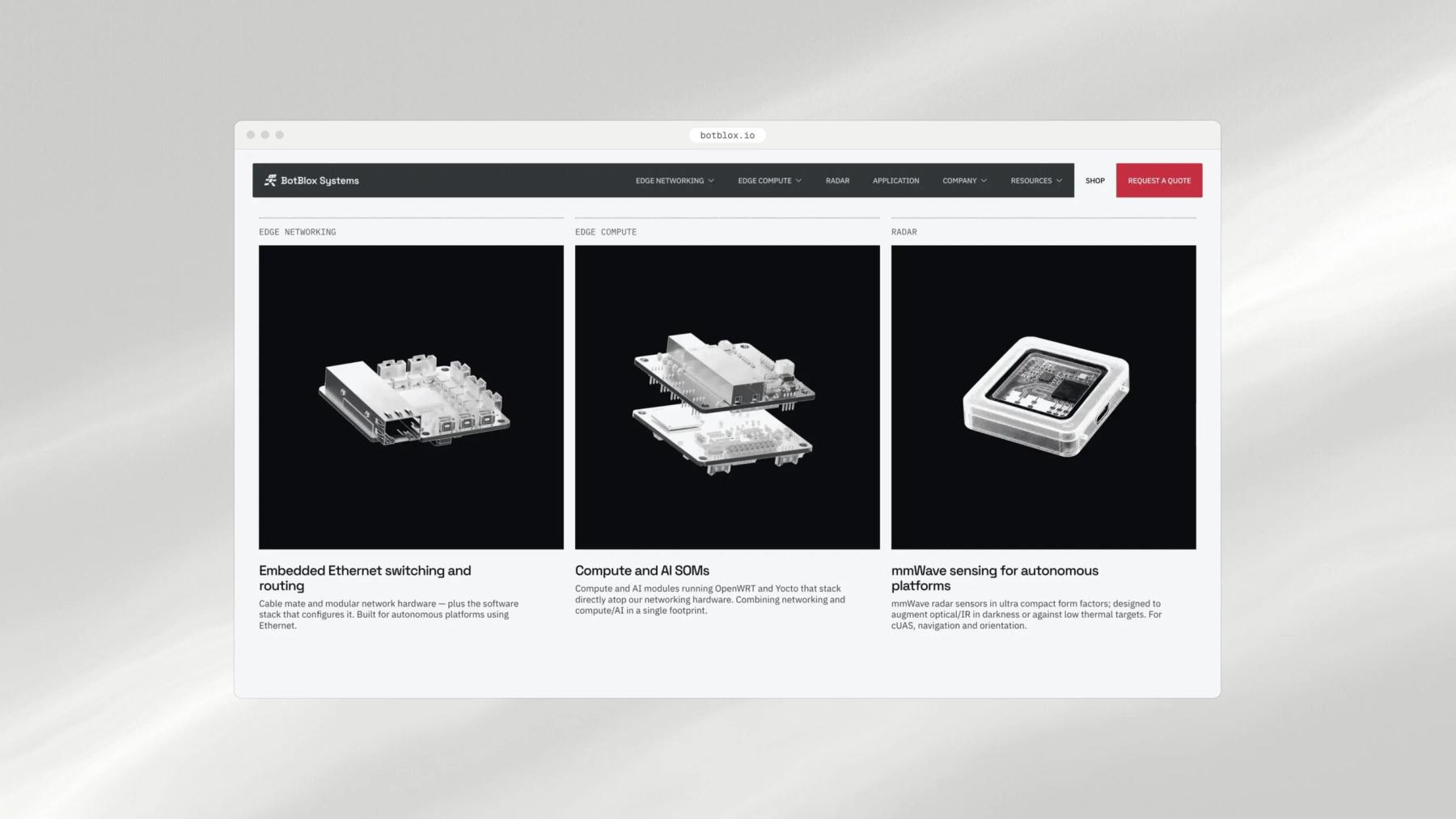
Build and connect
Components, CMS collections, forms and analytics, plus code components for anything Framer does not do natively, Three.js scenes included.
Step 04
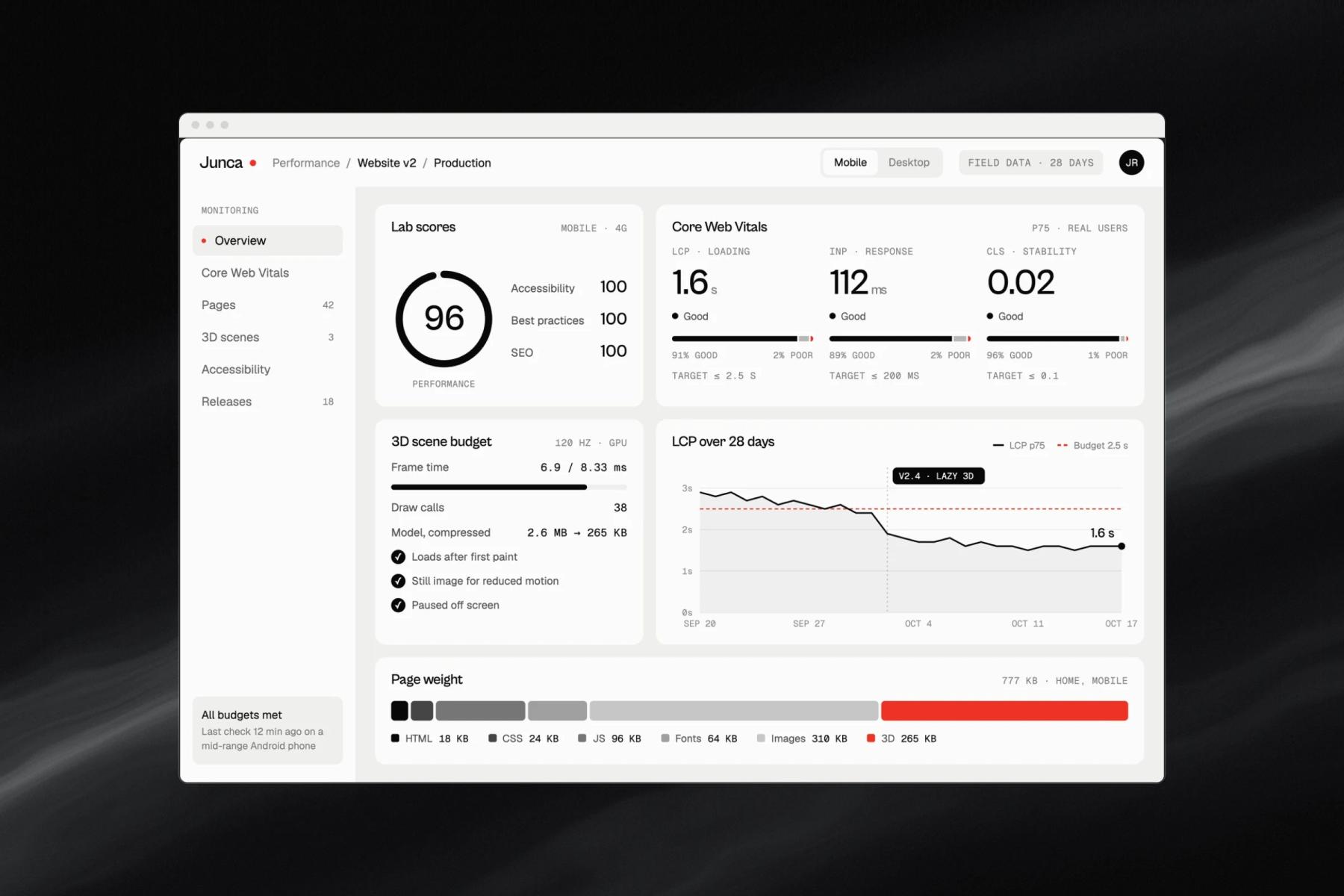
SEO and launch
Titles, descriptions, structured data, redirects from the old site and a sitemap check before the domain switches over.
Step 05
Handover
Your team is trained at launch, and we stay available afterwards for new pages, sections and campaigns.
What you get
Everything the project needs, from one team.
Page architecture and CMS model
The page tree and the CMS collections, fixed before any visual work, so the design answers a real structure.
Art direction and responsive design
Designed directly in Framer at desktop, tablet and phone widths, on your real content.
A CMS your team edits alone
Collections for products, news, case studies and careers that your team updates without calling us.
Code components and 3D
Custom code components for what Framer does not do natively, Three.js scenes included.
Technical SEO and redirects
Titles, descriptions, structured data and 301 redirects from the old site, checked before the domain switches.
Visual identity, when the brand needs it
Logo, type and color system designed by the same team, when the brand has to catch up with the product.
Training at launch
A session with your team on the live site, and support afterwards for new pages and campaigns.
Selected work
Framer sites we've built for technical companies
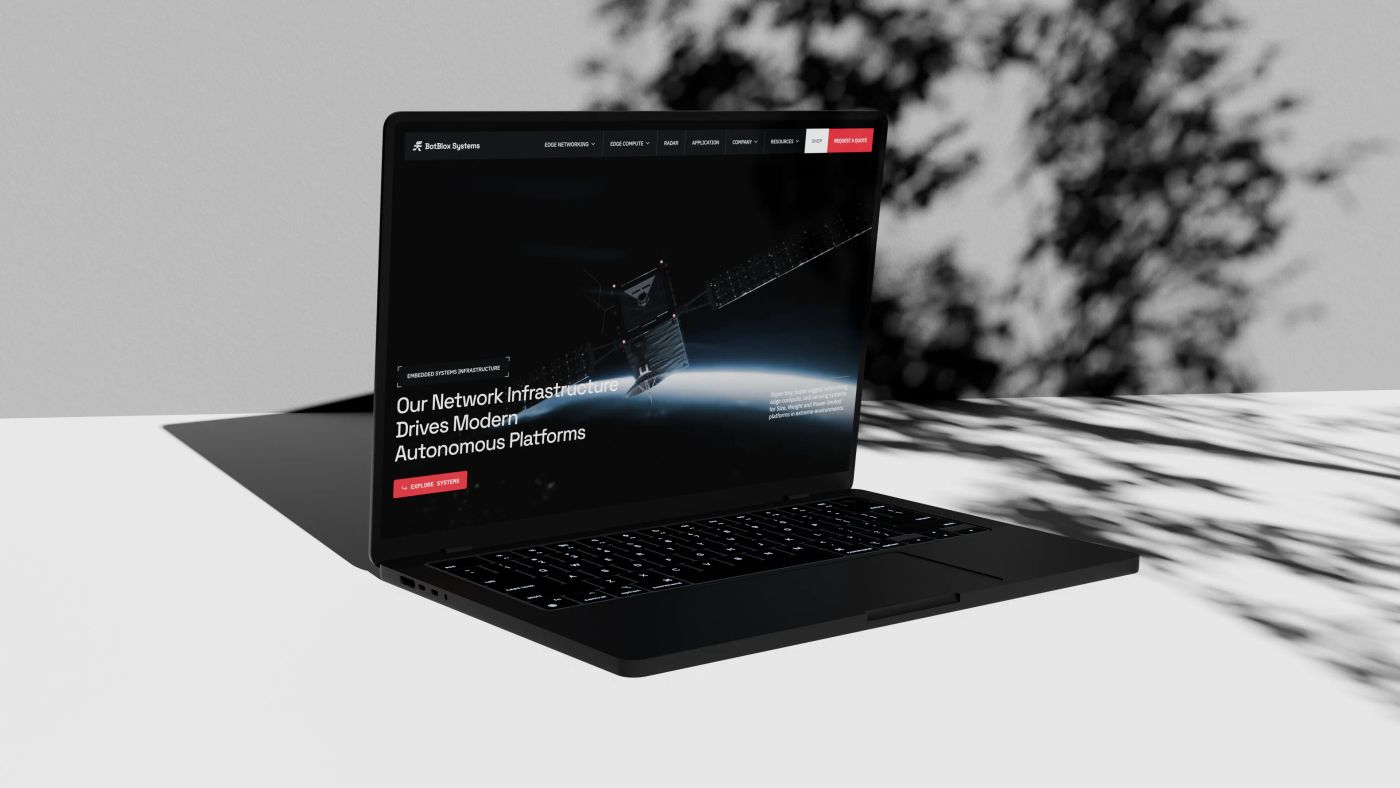 Corporate website
BotBlox: moving data where ethernet was never meant to run
 Showcase website
Hylight: an aerial inspection technology driven by design.
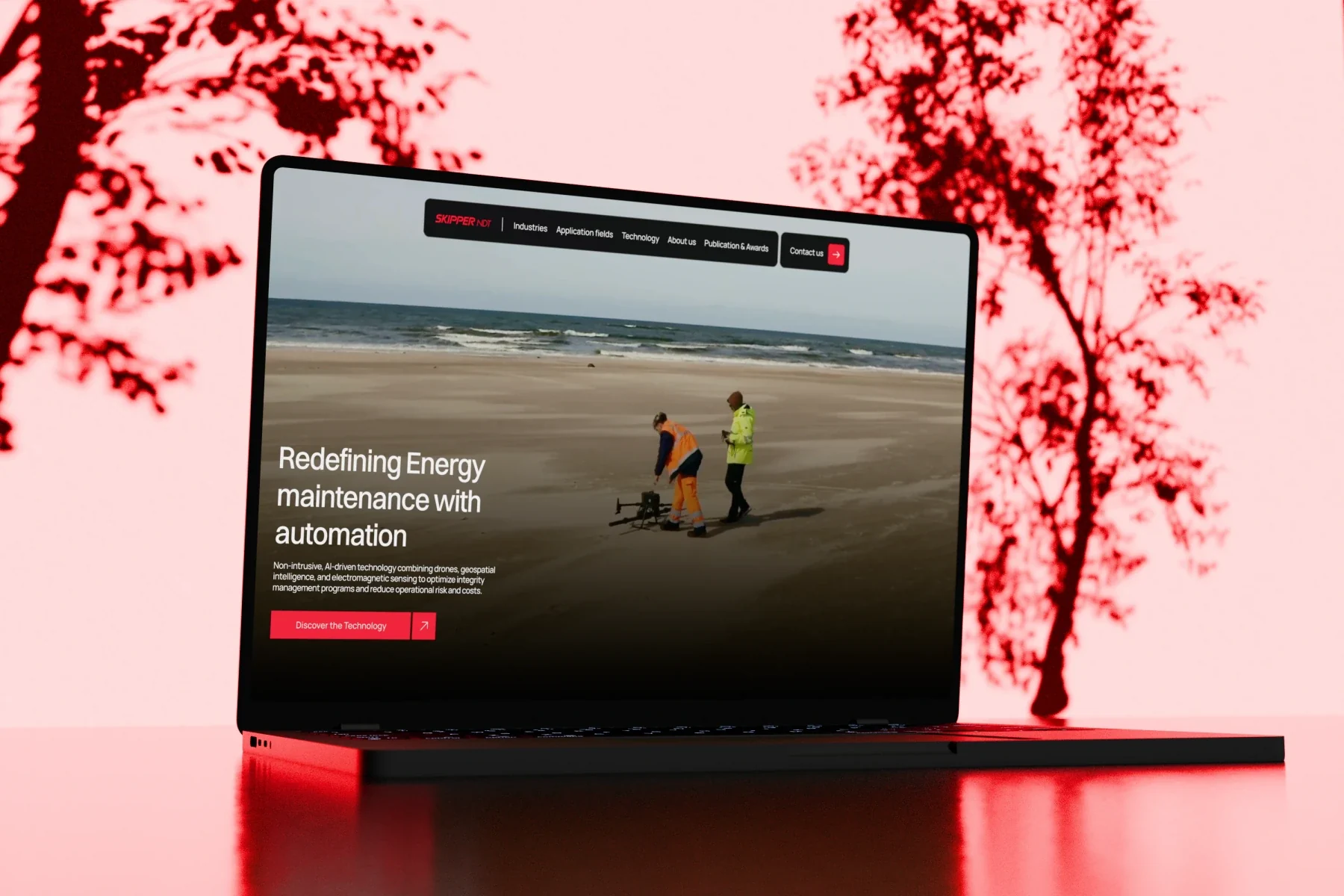 Showcase website
Skipper NDT: automating energy infrastructure maintenance
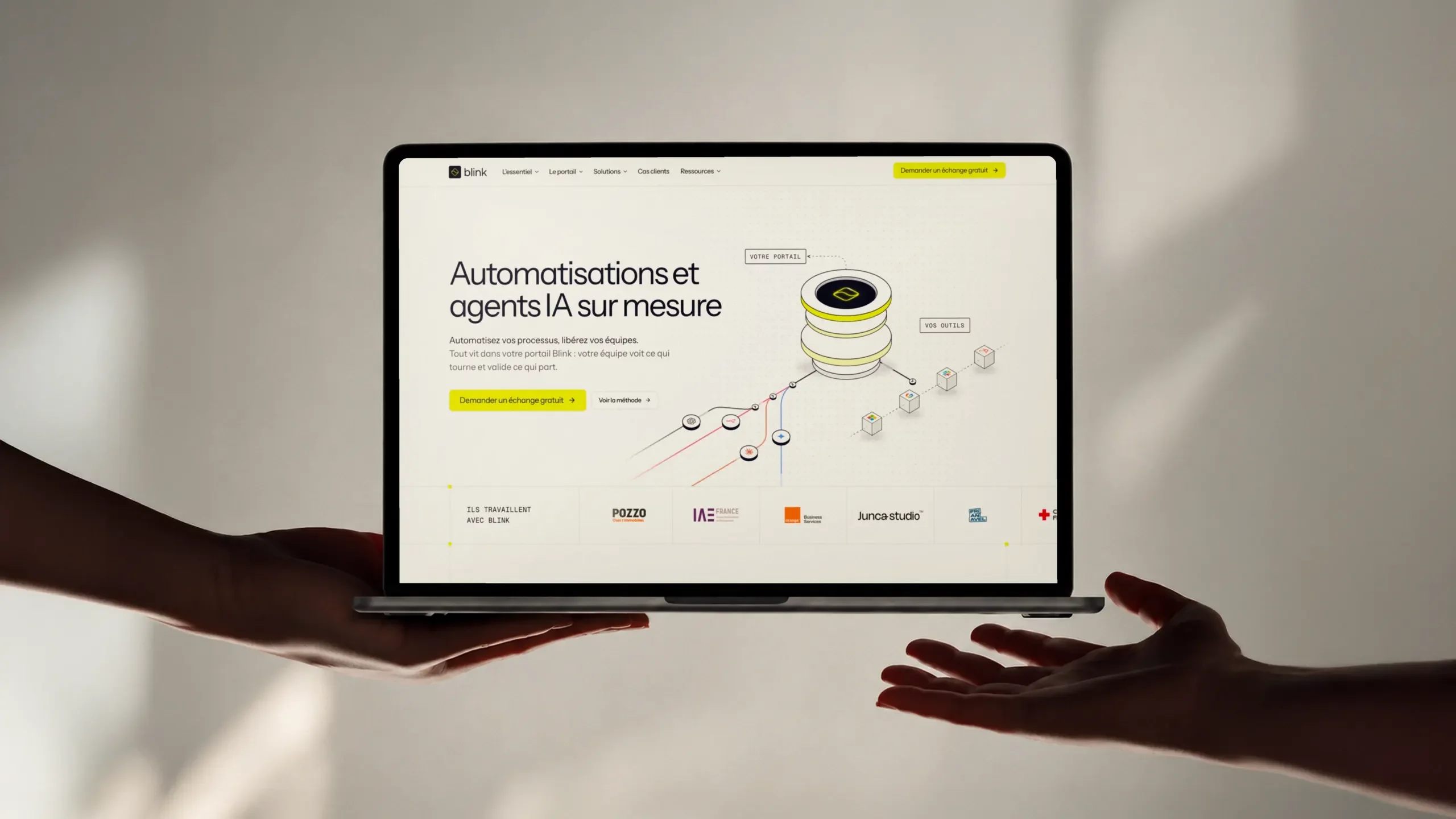 Landing page
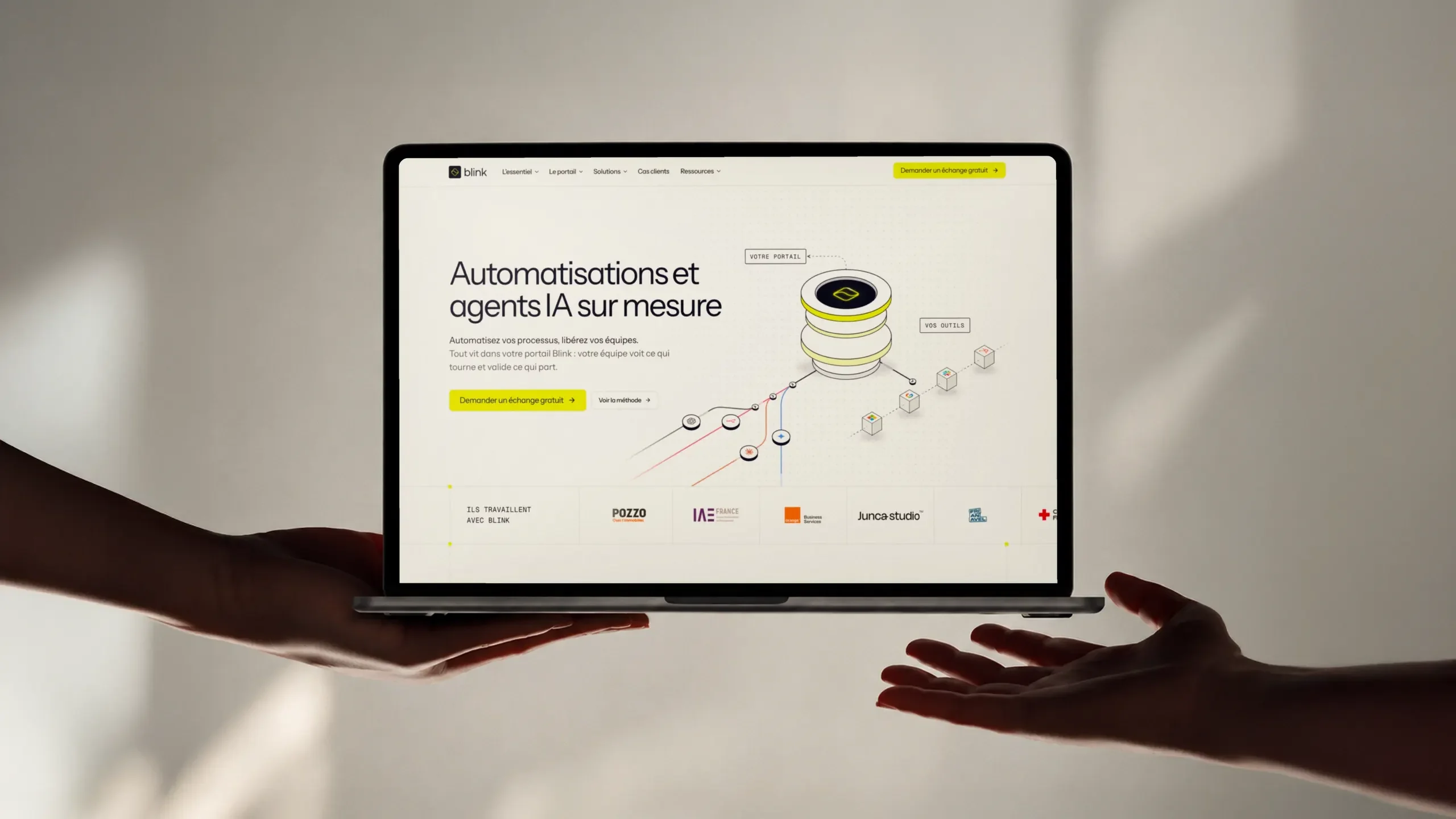
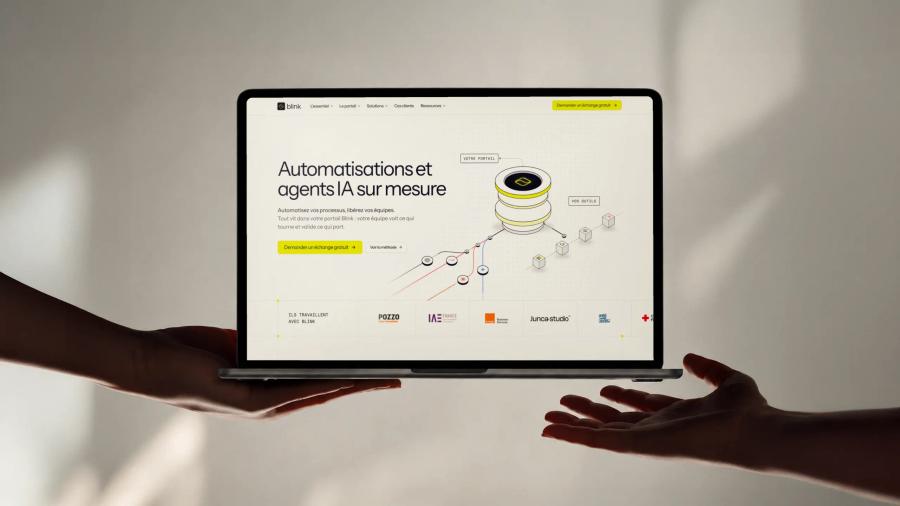
Building the identity and website of Blink, a human-centered automation agency
How much does a Framer website cost?
In Framer, the price moves with the number of pages, the CMS collections your team will edit, the custom interactions and the content work. A Framer website with Junca typically ranges from $10,000 to $20,000; with a brand identity, custom 3D or complete copywriting, projects usually range from $20,000 to $50,000. Framer's hosting plan is billed separately by Framer. If your budget is tight, we phase the work: the core pages first, the rest later.
How long does a Framer website take?
4 to 6 weeks for a focused site once the brief is approved, and 8 to 12 weeks when the project includes branding, 3D scenes or custom animation. The CMS model is fixed early, so your team can start entering content while pages are still being built, and the launch date does not depend on a last-minute copy sprint.
Should we hire a Framer development agency or a studio that also writes code?
If you are certain Framer covers your next three years, either works. If you are not, a studio that builds in both will tell you where Framer's limits sit for your project, and has no reason to hide them. We build many marketing sites in Framer and move to Astro or Next.js when content volume, 3D or integrations call for it.
Can our team really edit the site without you?
Yes. Text, images, articles, case studies, job posts and new pages assembled from existing sections are all edited in Framer by your team. We train them at launch and design the CMS around your publishing habits. What still needs us: new types of sections, structural changes to the site and anything written in code.
Is Framer good for SEO?
Framer is a solid base: it serves static, pre-rendered pages, generates a sitemap and lets you set titles, descriptions and structured data page by page. The rest is work: a clean heading hierarchy, internal links, redirects from your old URLs and content written the way buyers search. We handle all of it during the build, including content structured so AI assistants can quote it.
When should we leave Framer for custom code?
When the site needs thousands of structured pages, shader-level 3D or several scenes on one page, content shared with your product, or features behind a login. Below that line, Framer is faster to ship and easier to run. We rebuilt our own site in Astro for those reasons, and we keep building client sites in Framer when none of them apply.
Do you redesign the brand along with the Framer site?
Often, because a new site on an old identity carries the gap straight into the new pages. We design the logo, typography, color and motion principles in the same project, then apply them directly in Framer. Blink started from scratch with us and left with a full identity and a Framer site built to bring in qualified leads.
Can you move our Webflow or WordPress site to Framer?
Yes. We map every existing URL, move the content into Framer CMS collections, rebuild the pages in Framer and set 301 redirects for any address that changes, so your search rankings carry over. A platform move is also the right moment to fix the structure and the message, and we usually recommend doing both at once.
Framer in 2026: the complete guide for businesses
5 min read
Is Framer the right choice for your business website in 2026? Features, performance, limitations, costs, and real-world feedback after dozens of projects.
Framer vs Webflow: why we chose Framer at Junca
7 min read
An honest, experience-based comparison of Framer and Webflow: performance, design freedom, CMS, SEO, and client autonomy.
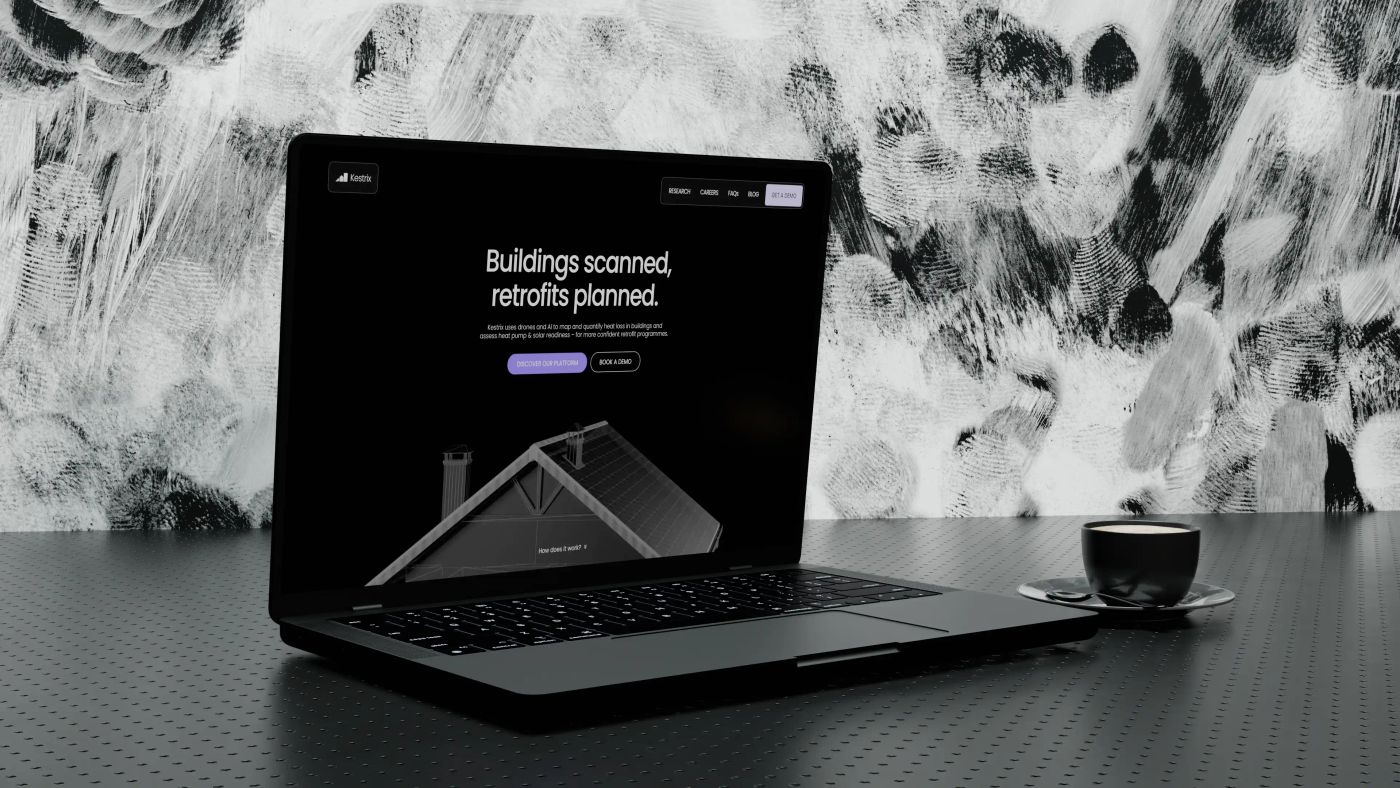
How much does a website redesign cost in 2026?
9 min read
A transparent breakdown of website redesign costs: what drives the price, what to expect at each budget level, and why cheap rarely means effective.

AI, templates, no-code: is web design still worth it?
9 min read
With AI generating layouts and no-code tools commoditizing websites, where does custom web design still create real value in 2026?
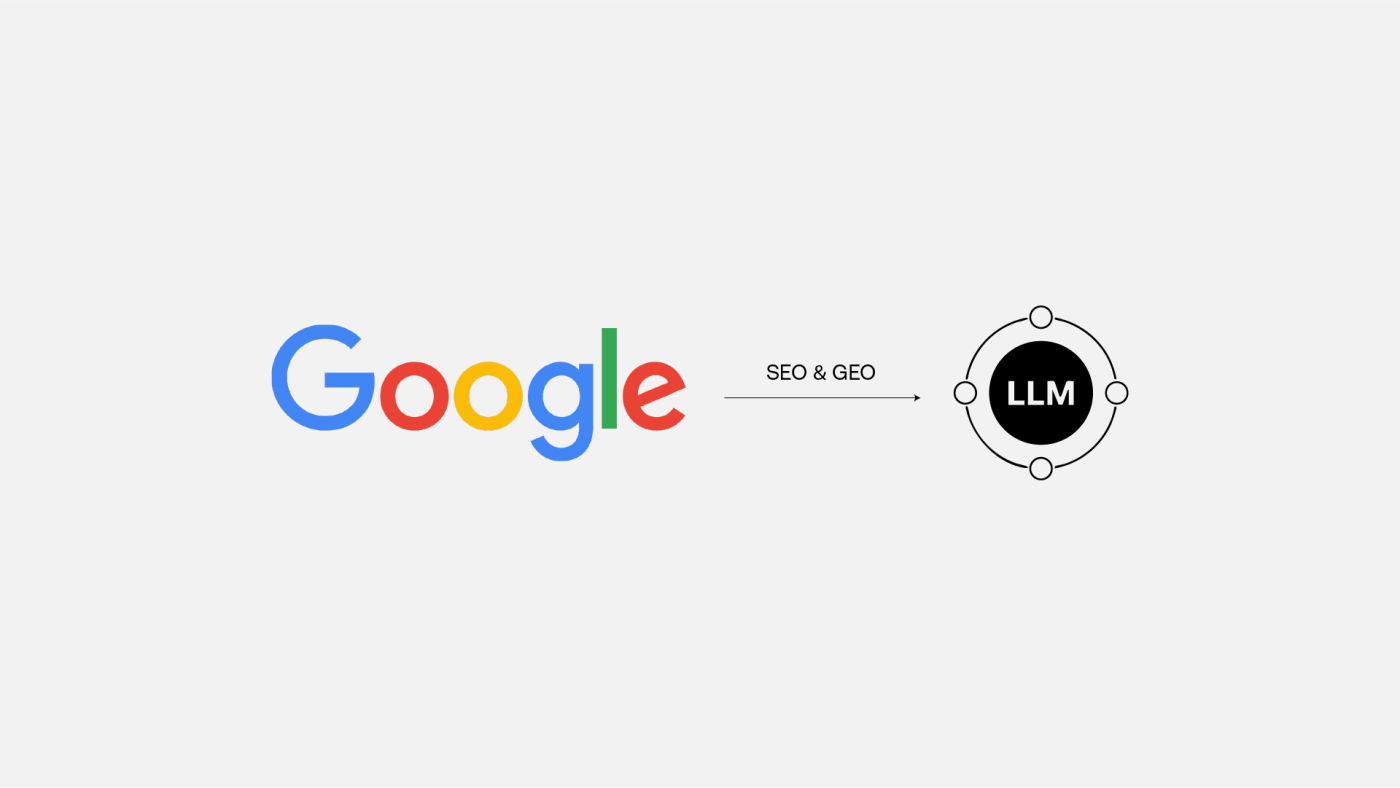
How to build a website designed for SEO and GEO from day one
6 min read
Building a high-performing website isn't about adding SEO at the end. Here's how to structure content, architecture, and visibility for SEO and GEO from the start.
Other services