Why it matters
Most climate startups share the same problem: real impact, hard data, genuine urgency, yet a website that makes none of it feel as credible or pressing as the problem they solve.
The problem
The impact is real. The way it's shown rarely does it justice.
Where most climate tech websites fall short
Climate solutions rarely fail on impact. They fail on the page, when a website can't turn complex environmental data into something an investor, a partner, or a buyer can grasp and trust in thirty seconds.
- The trap / 01
Too technical
Sensors, models and methodologies pile up. The visitor drowns before the impact lands.
- The trap / 02
No proof
Bold climate claims with no data, no method, no measured outcome to back them up.
- The trap / 03
Generic design
A templated green look that signals marketing, when you need to signal science.
- The trap / 04
Invisible data
No maps, no charts, no visuals. The visitor never gets to see the impact itself.
The climate tech market, in numbers
Climate tech is maturing fast: capital is consolidating into fewer, larger bets, and scrutiny has never been higher. How clearly you present your technology is now part of its value. Standing out is no longer optional.
Global investment
$40.5B
Invested in climate tech globally in 2025, up 8% year-on-year. (Sightline Climate)
Market growth
24%
The annual growth rate of the global climate tech market. (Precedence, 2025)
Deal count
−18%
Fewer deals in 2025: capital is backing fewer, stronger stories. (Sightline Climate)
First impression
94%
Of a first impression of a website is design-related. (web design research)
- Pre-seed / Seed42%
- Series A25%
- Series B+22%
- Scale-up12%
Source: Sample data
Source: Sample survey, 2026
- 71%
- 16%
- 12%
- Desktop (71%)
- Mobile (16%)
- Tablet (12%)
Source: Sample analytics
03
Public sources behind the figures on this page (sample)
- 01Sample survey, 2026
- 02Sample analytics
- 03Sample data
We only publish figures we can trace: every number links back to a public report, dataset or survey.
How we work with Climate Tech
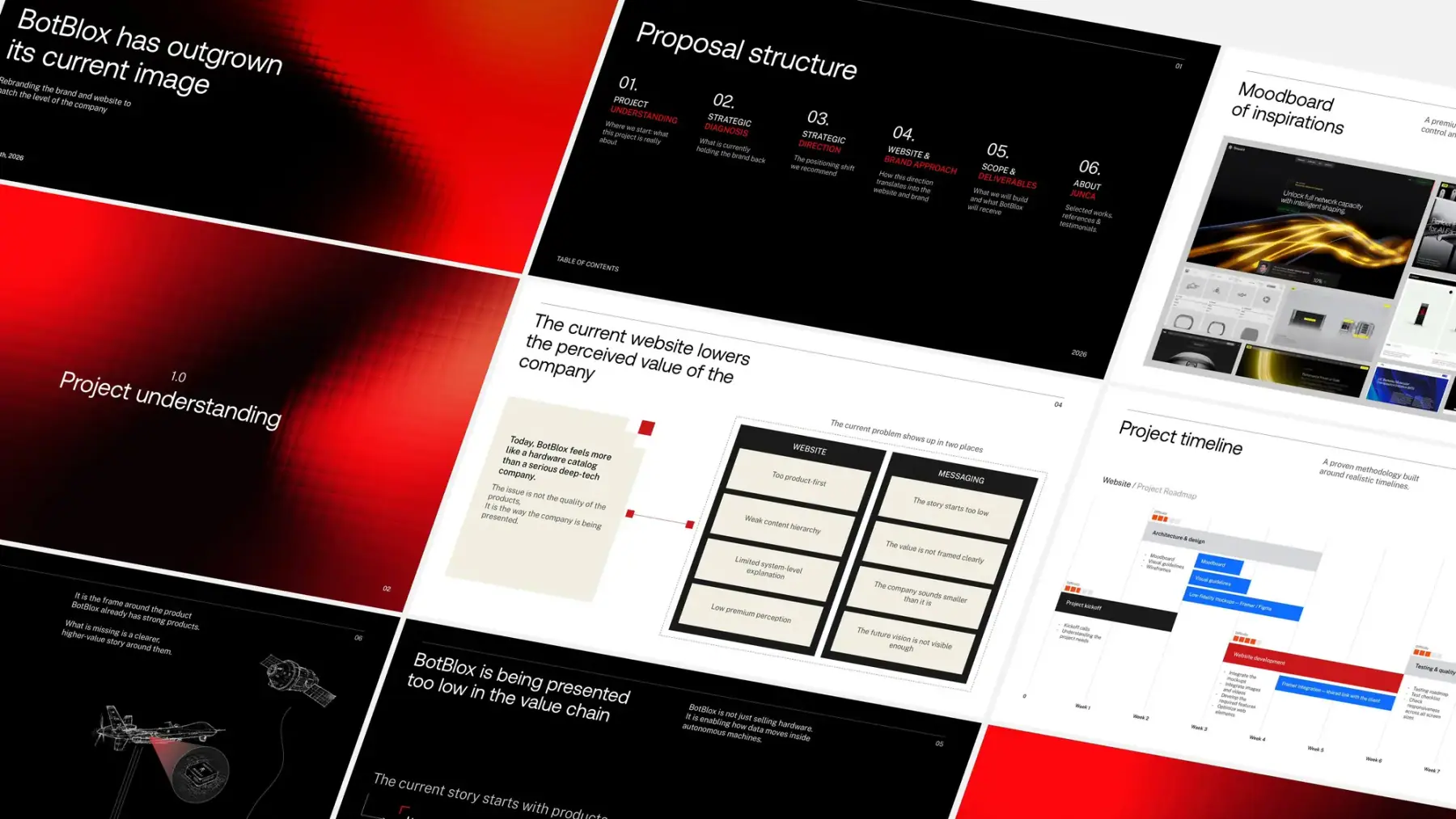
We start by actually understanding your technology
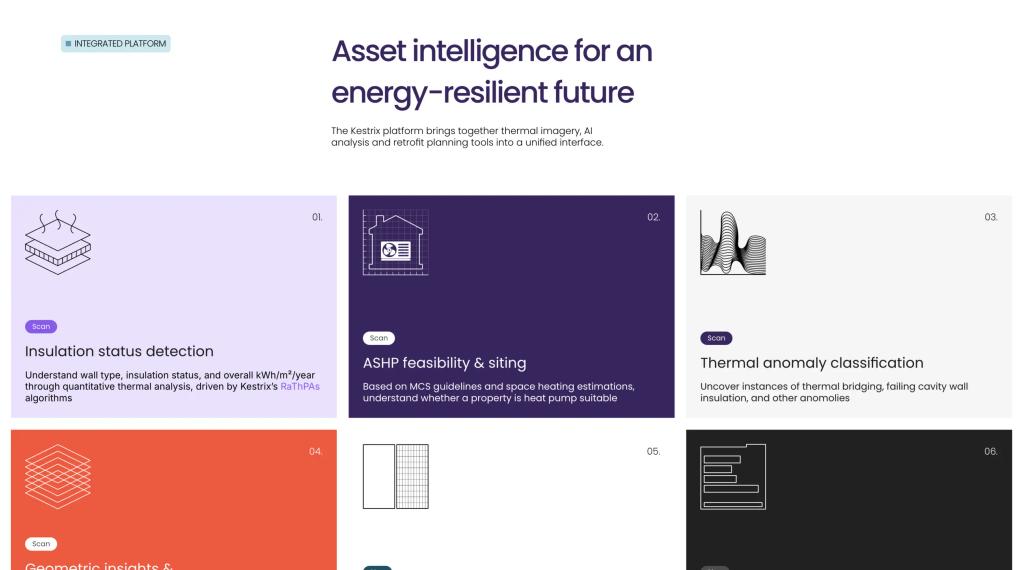
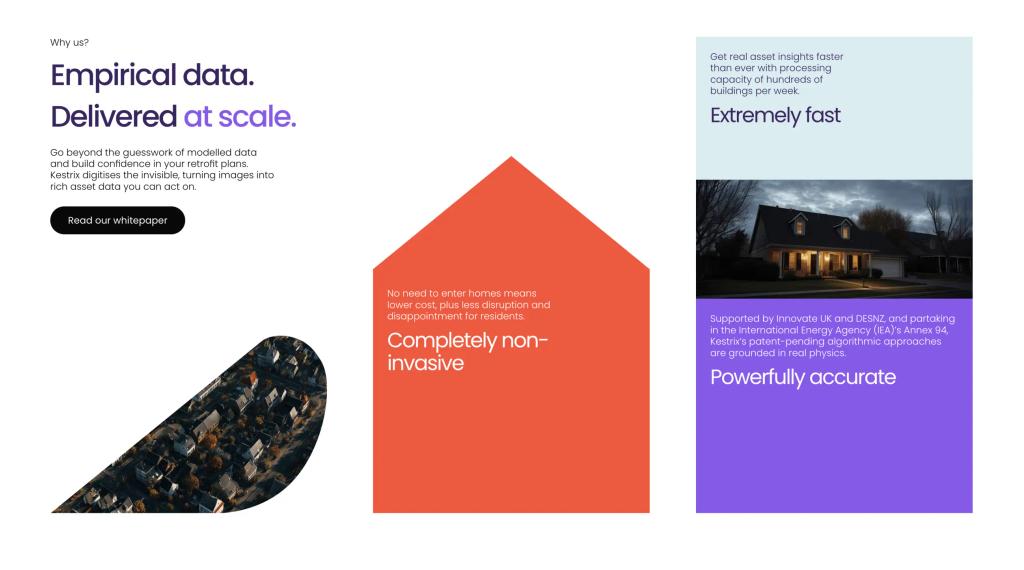
We've built for Kestrix and Skipper NDT. We read the science, grasp the sensors and the data pipelines, and we know what to keep, what to cut, and how to stage what's left.
Kick-offResearch Step 01 / 05Brief & Immersion
We dig into your tech through your deck, publications and founder interviews before we design.
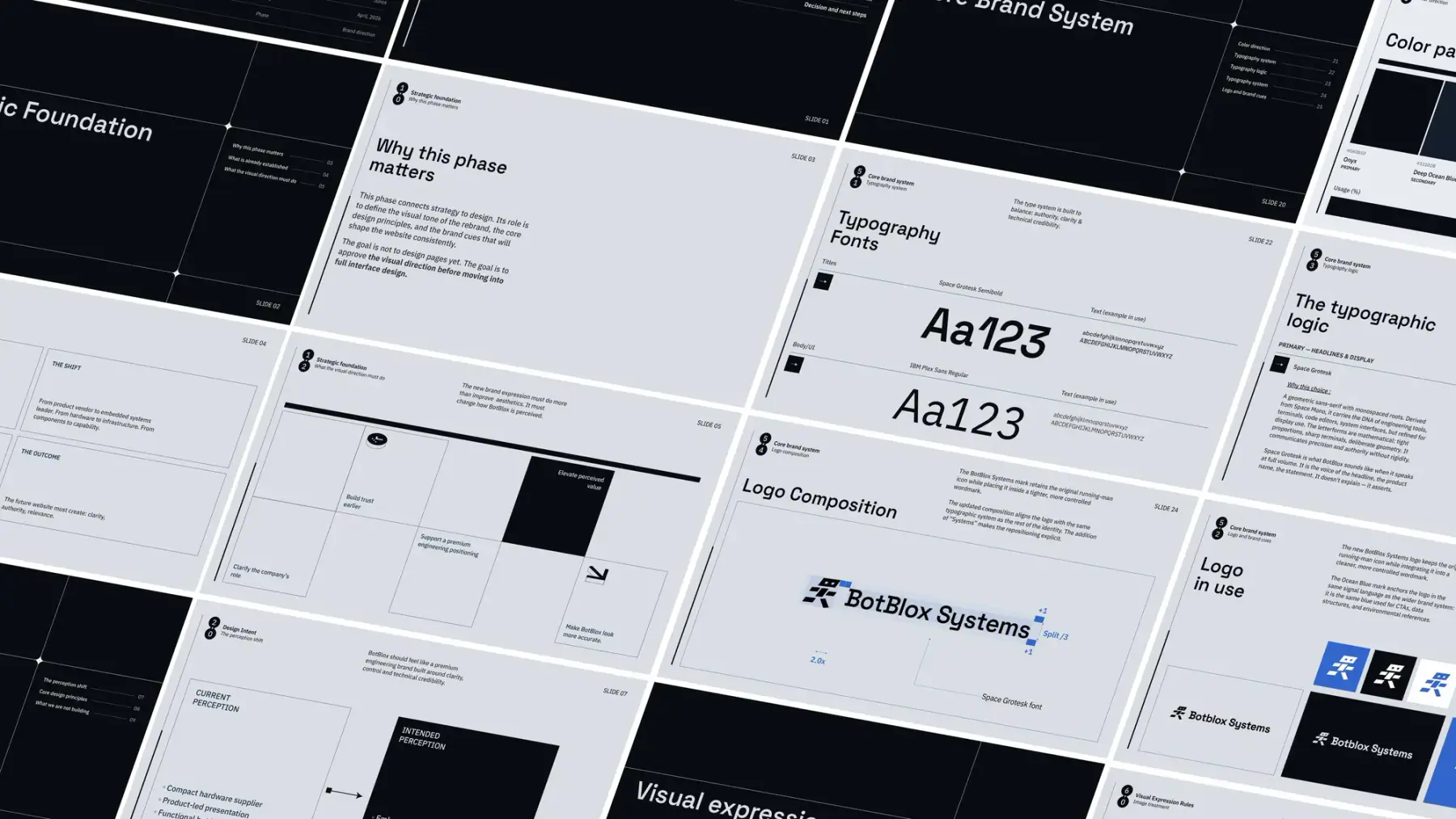
IdentityArt direction Step 02 / 05Branding & Art Direction
We craft your identity: logo, palette, typography, into a coherent, ownable direction.
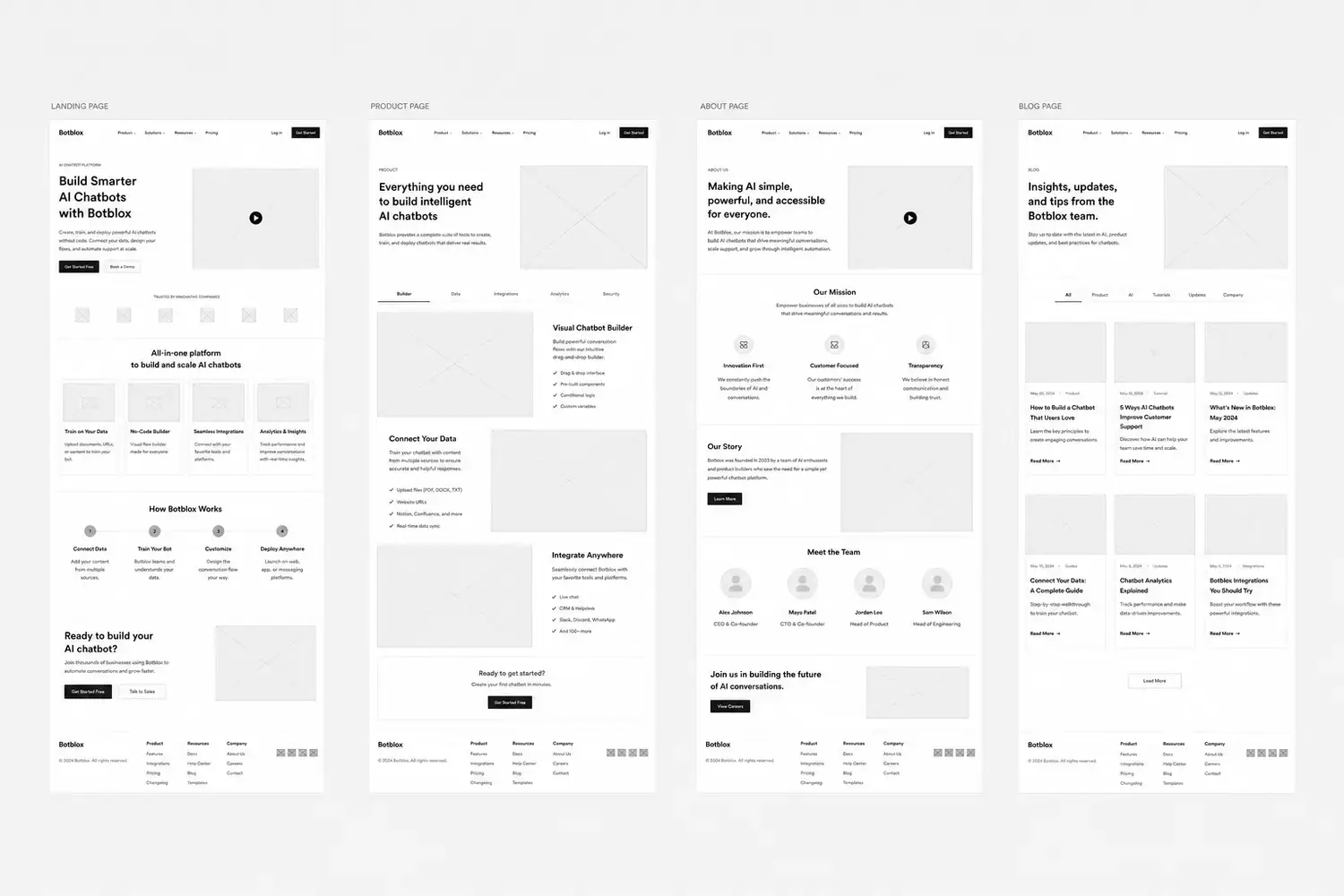
UXStructure Step 03 / 05Wireframing
We map each page as a low-fidelity skeleton, locking the structure before any visuals.
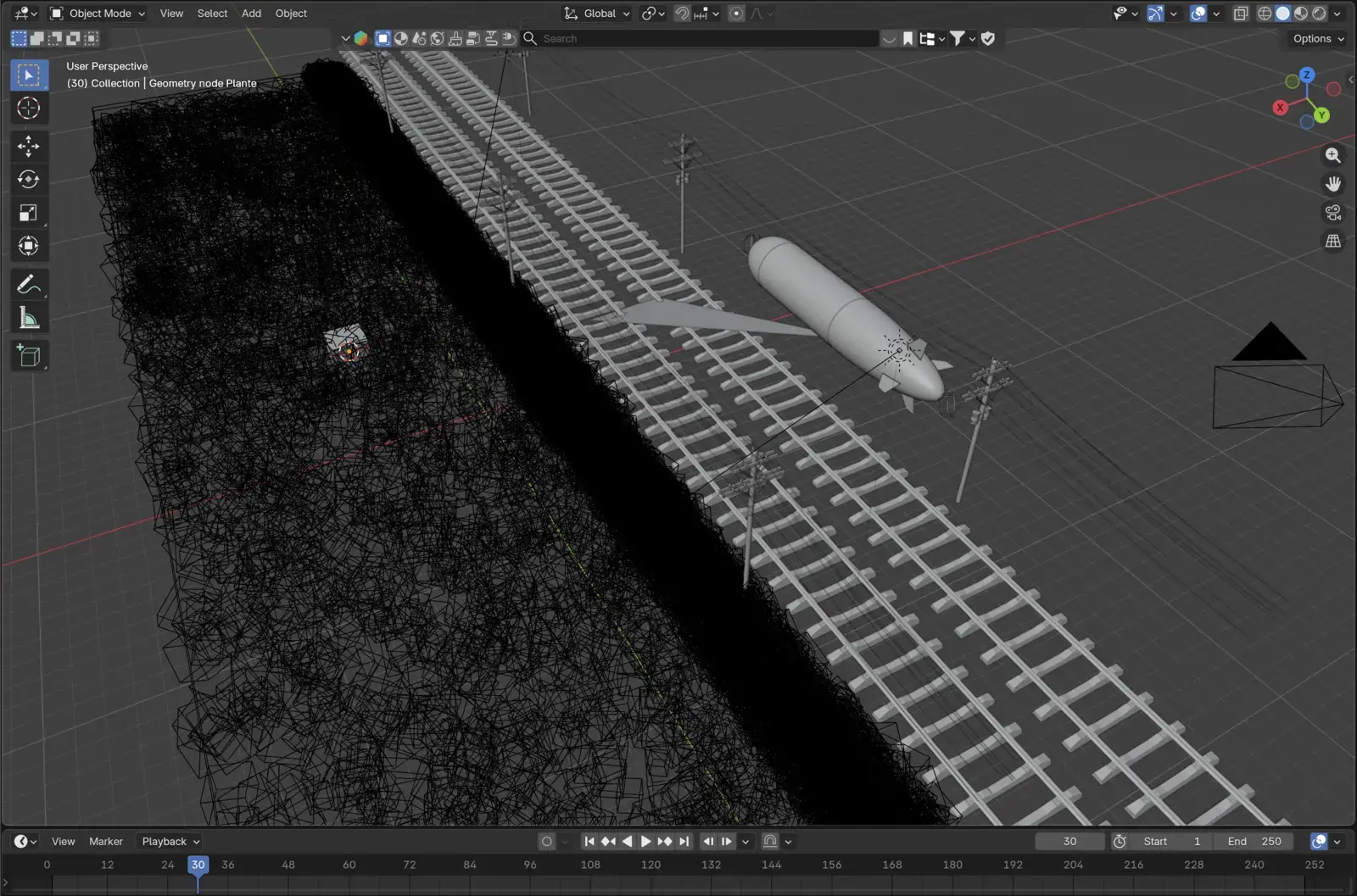
UI design3D & motion Step 04 / 05Design & 3D
We turn the brand into final UI, custom 3D scenes, and motion that brings it all to life.
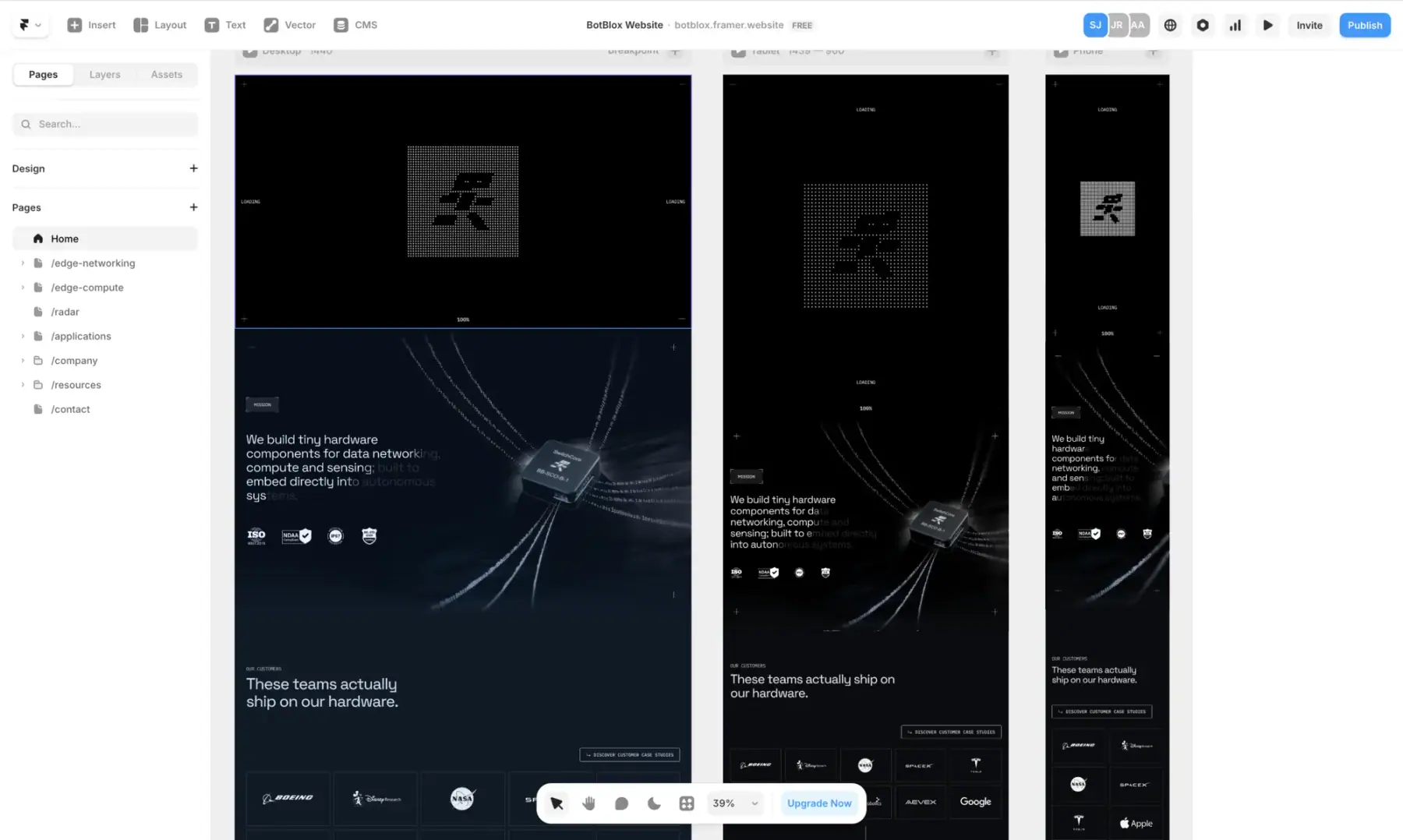
Astro · Next.js · FramerTechnical SEO Step 05 / 05Website Build & Integration
We ship a fast site on Framer, Astro or Next.js, with structured data and clean technical SEO.
Selected work
Climate tech projects we've shipped

- Fundraising
- B2B sales pipeline
- Technical hiring
- Industrial partnerships
- Going international
How much does a climate tech website cost?
Climate tech projects start around $6,000 for a complete marketing site, and reach $20,000 and more when they include full branding, custom 3D and data visualization work. We quote precisely after a first call, based on your scope.
How do you make climate impact credible instead of greenwashed?
With evidence design: sourced numbers, named pilots, honest methodology, and zero stock wind turbines. For Kestrix we turned raw thermal datasets into visuals that investors and city officials actually understand, which is what separates credibility from green noise.
Can you turn technical environmental data into something people understand?
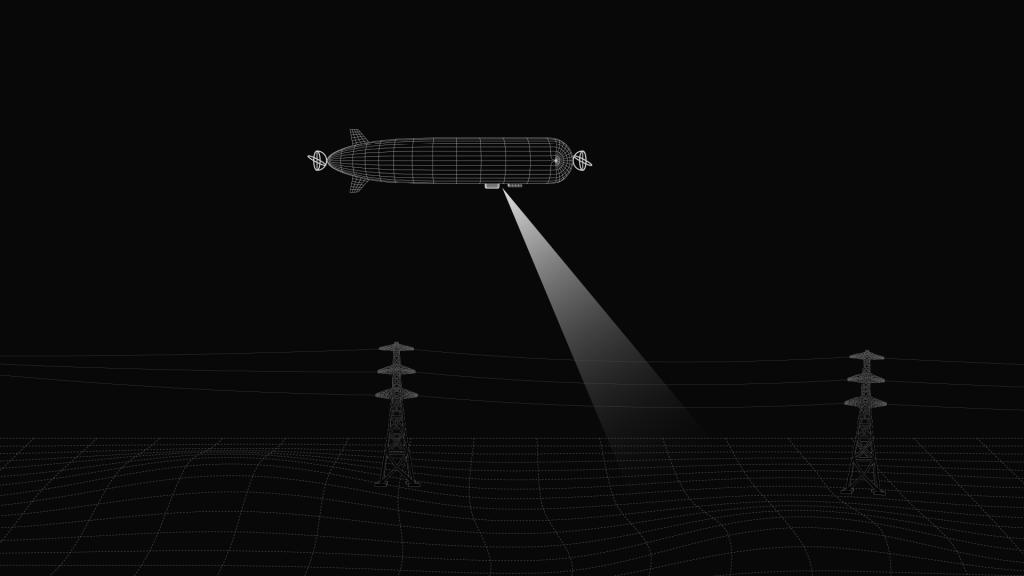
That's the heart of our climate work. For Kestrix (London), the scroll-driven 3D header walks visitors through capture, analysis and insight: the data pipeline became the narrative structure of the site itself.
Do you work with grant-funded or early-stage climate startups?
Yes. We scale the scope to your stage and budget. Before a Series A, a focused site that makes your science legible matters more than a big one. We've worked with teams from seed onward.
How long does a climate tech website take?
Count 4–6 weeks for a standard marketing site, 8–10 for a project with custom 3D and data visualizations. Kestrix-level immersive work sits at the upper end of that range.
Why work with Junca for climate tech specifically?
Because climate tech buyers are a triple audience (investors, public bodies, industrials), and our engineering background lets us build one site that convinces all three. Kestrix in London is the proof.
Other industries
Back to all industries