


Your technology has matured. Your website still explains the first prototype. We design and build the one that catches up.
A website design agency for tech companies whose product is hard to explain

What it is
Web design for a tech company is the work of turning a product that took years of engineering into a site an investor, an engineer or a buyer understands in a minute, then building it so it stays fast, accurate and easy to update.
Junca does all of it with one team: the page structure and the copy, the interface, the build in Framer or in code, and the identity and 3D when the site needs them. Nothing is subcontracted.
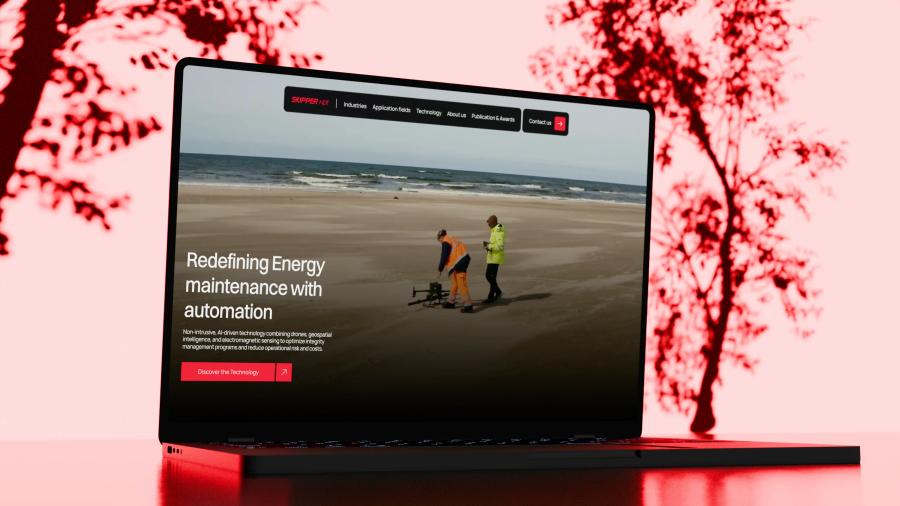
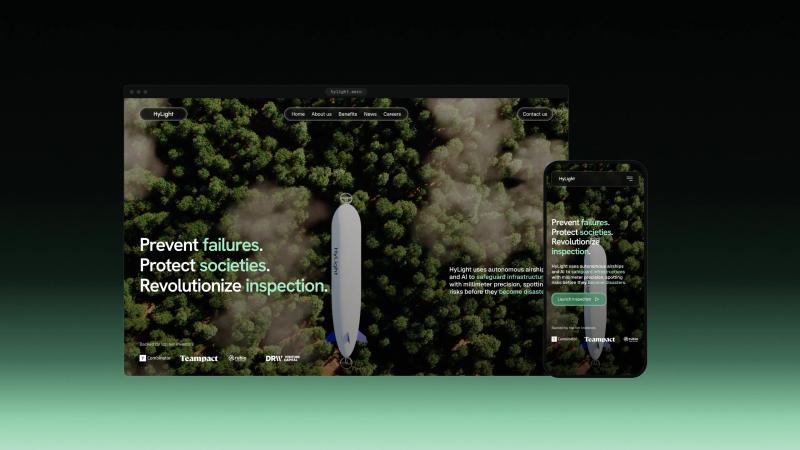
Most companies come to us with the same gap. The technology has moved on, the team has grown, the first customers are serious, and the website still reads like the seed deck. We start from the product and the people who buy it, then choose the build that fits how your team publishes. Hylight, BotBlox, Kestrix and Skipper NDT run on websites we designed and built.
Website services
Five ways in. The same team behind each one.
Most projects combine two or three of these. Start with the one that matches where you are: in the first call, we tell you which ones you can skip.
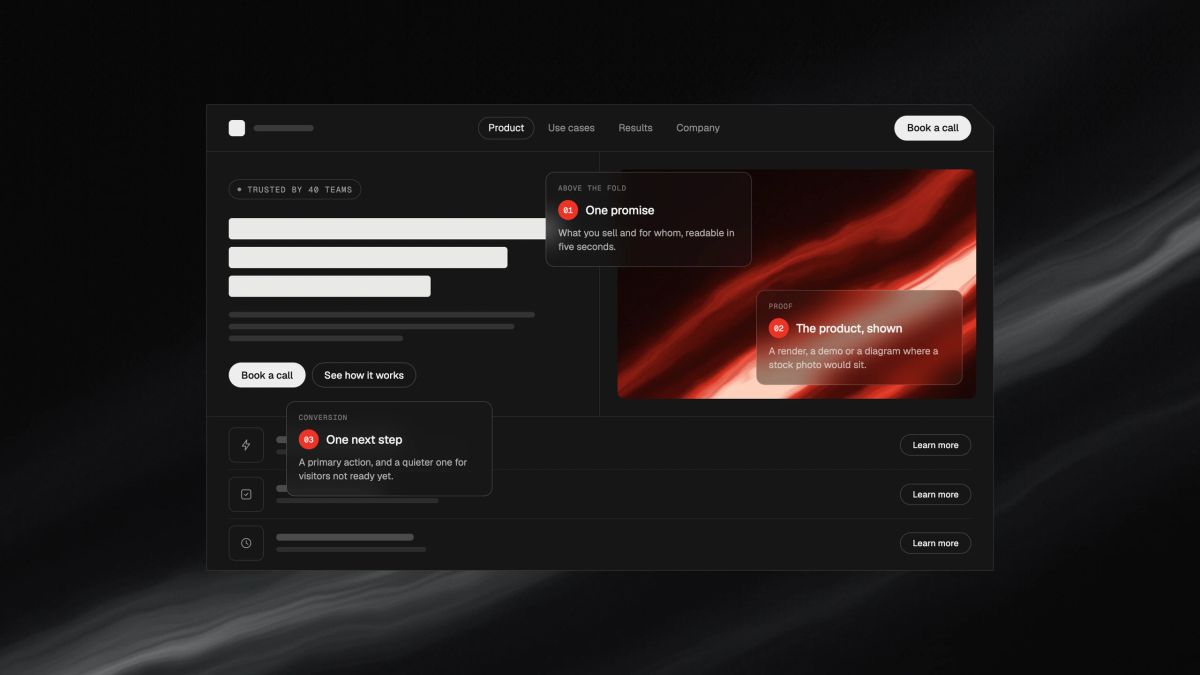 Web design & UXStructure, story and interface for a product that is hard to explain, ready for your developers or for ours.View service
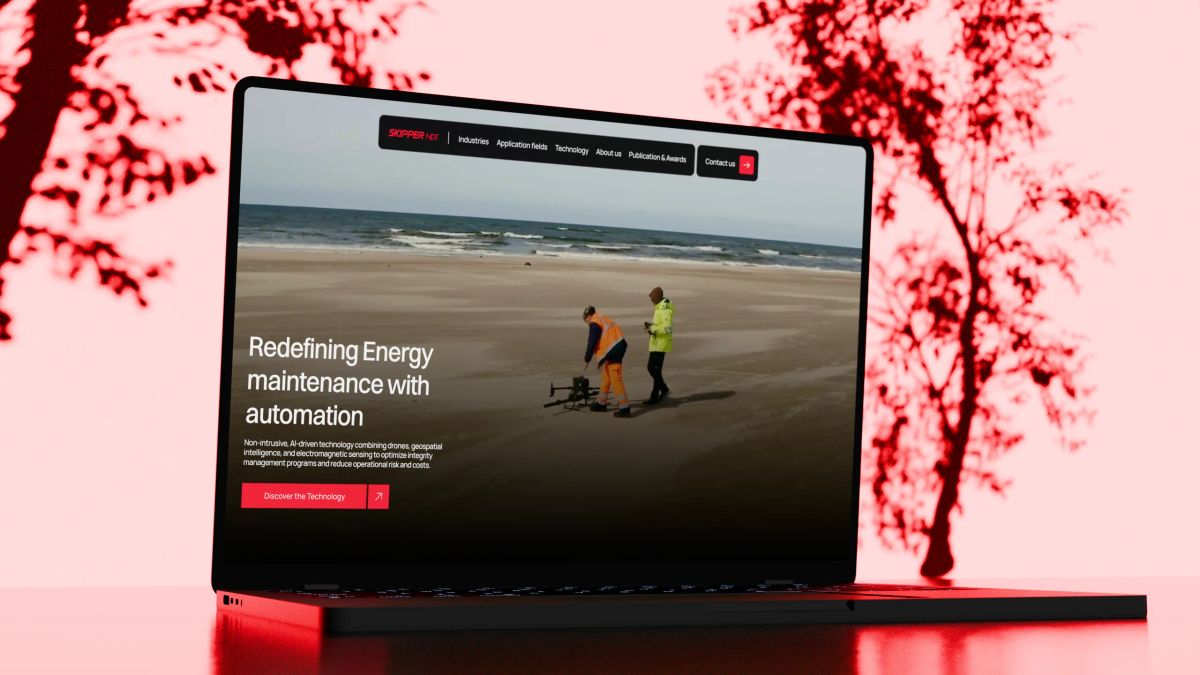 Framer developmentA premium site your marketing team edits alone, live in 4 to 6 weeks.View service
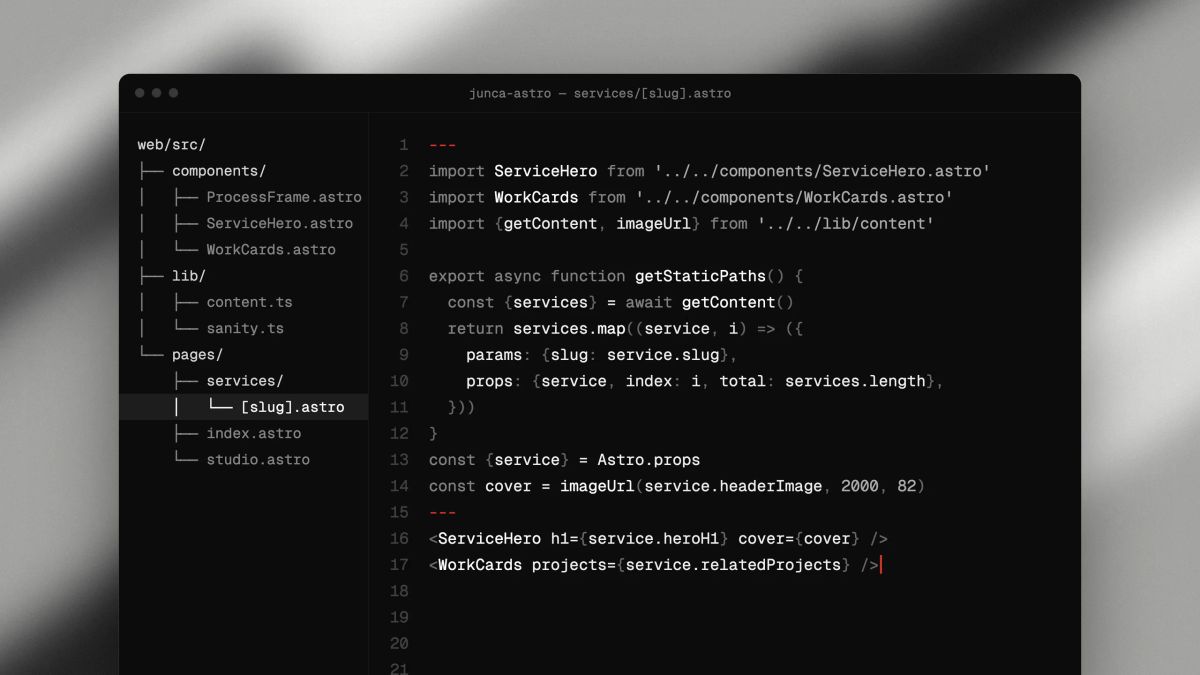 Custom developmentCode for sites that must feel like the product: immersive, instant and exact, with a CMS your team runs.View service
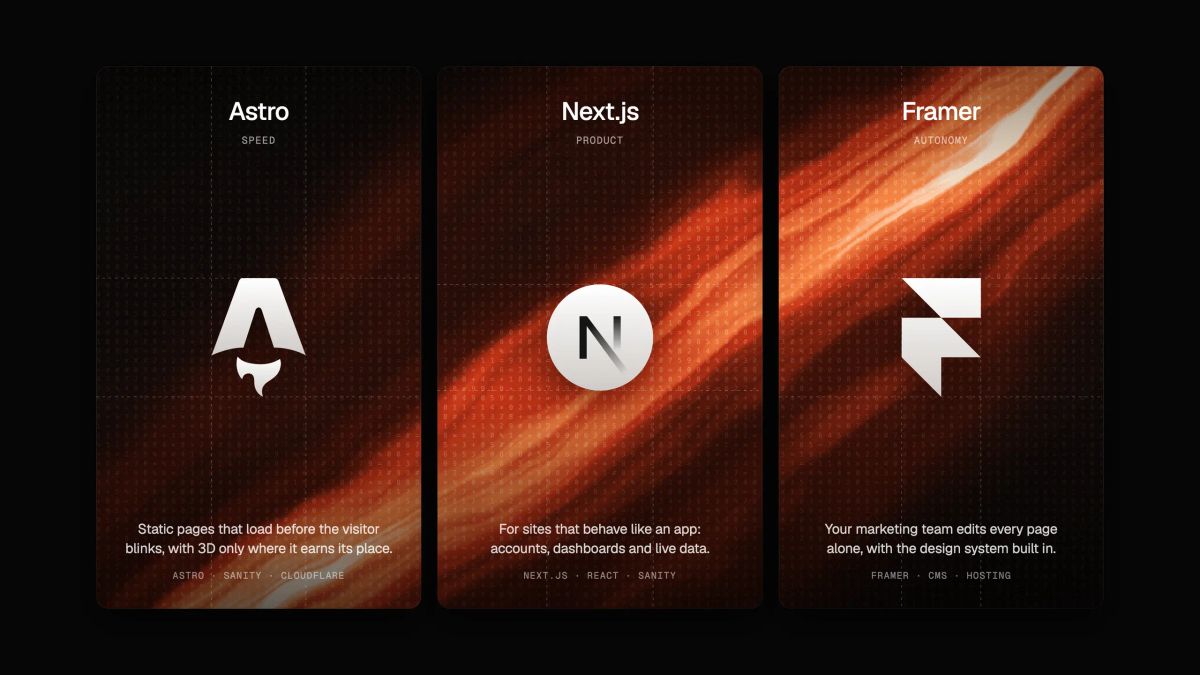 Website migrationWebflow to Framer, Framer to code: every URL mapped, every ranking kept, a better site on the other side.View service
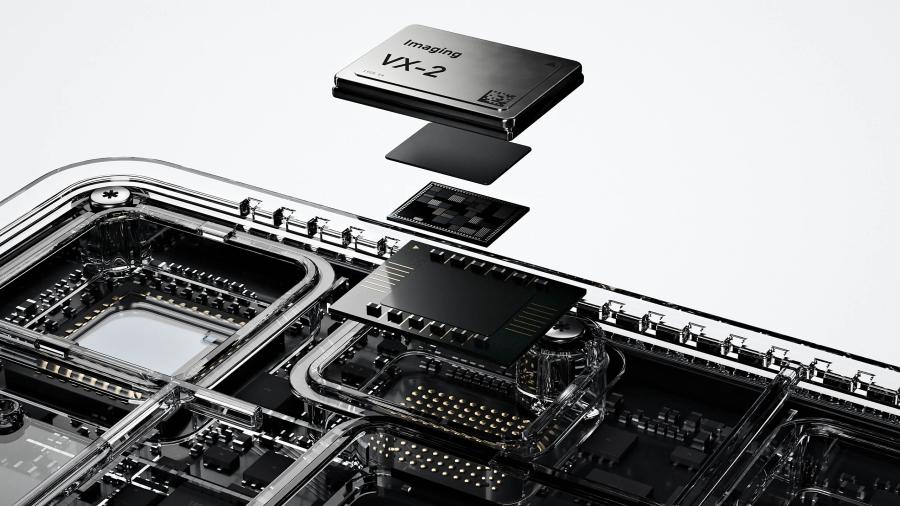
 3D websitesReal-time 3D that shows the part of your product a camera misses, and still loads fast on a phone.View service
 Not sure which one?Tell us where the site stands today. We answer with the services you need, and the ones you can skip.Ask us
Where to start
Redesign, Framer, code or migration: where to start?
Three questions. The answer comes with the services you can skip.
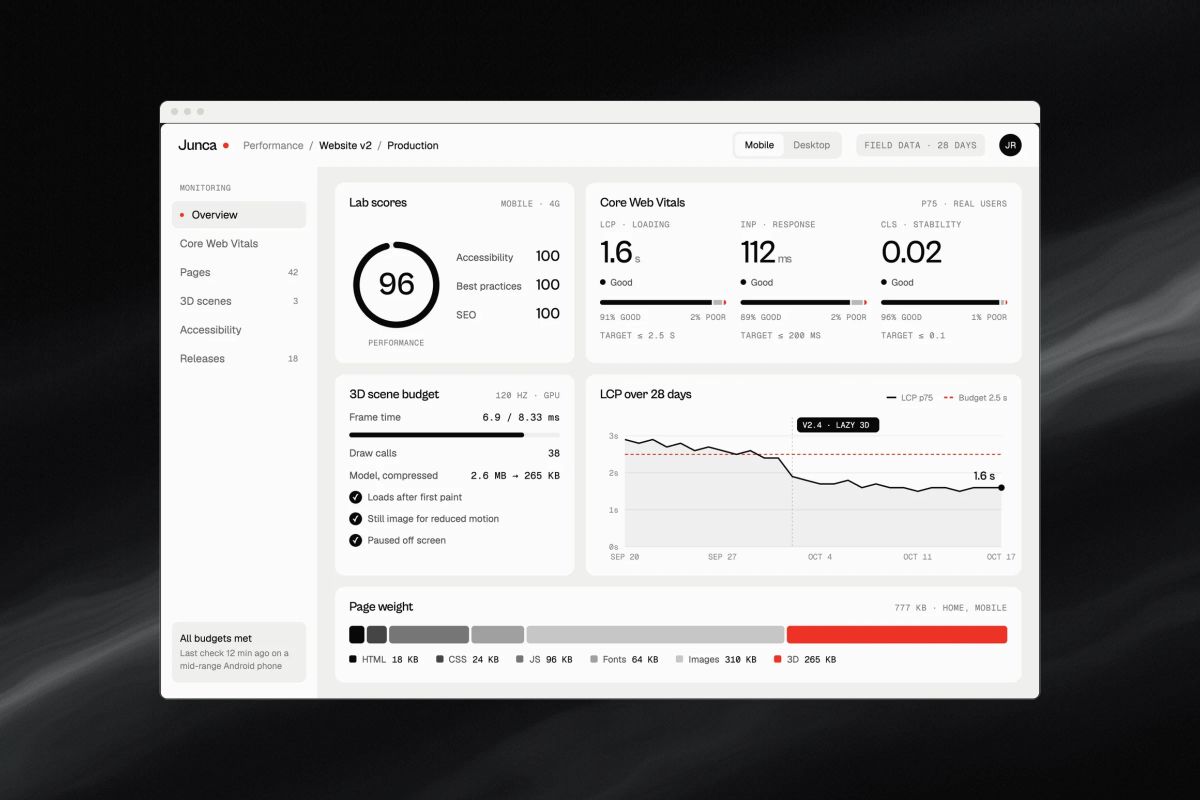
Selected work
Websites we designed and built for technical companies
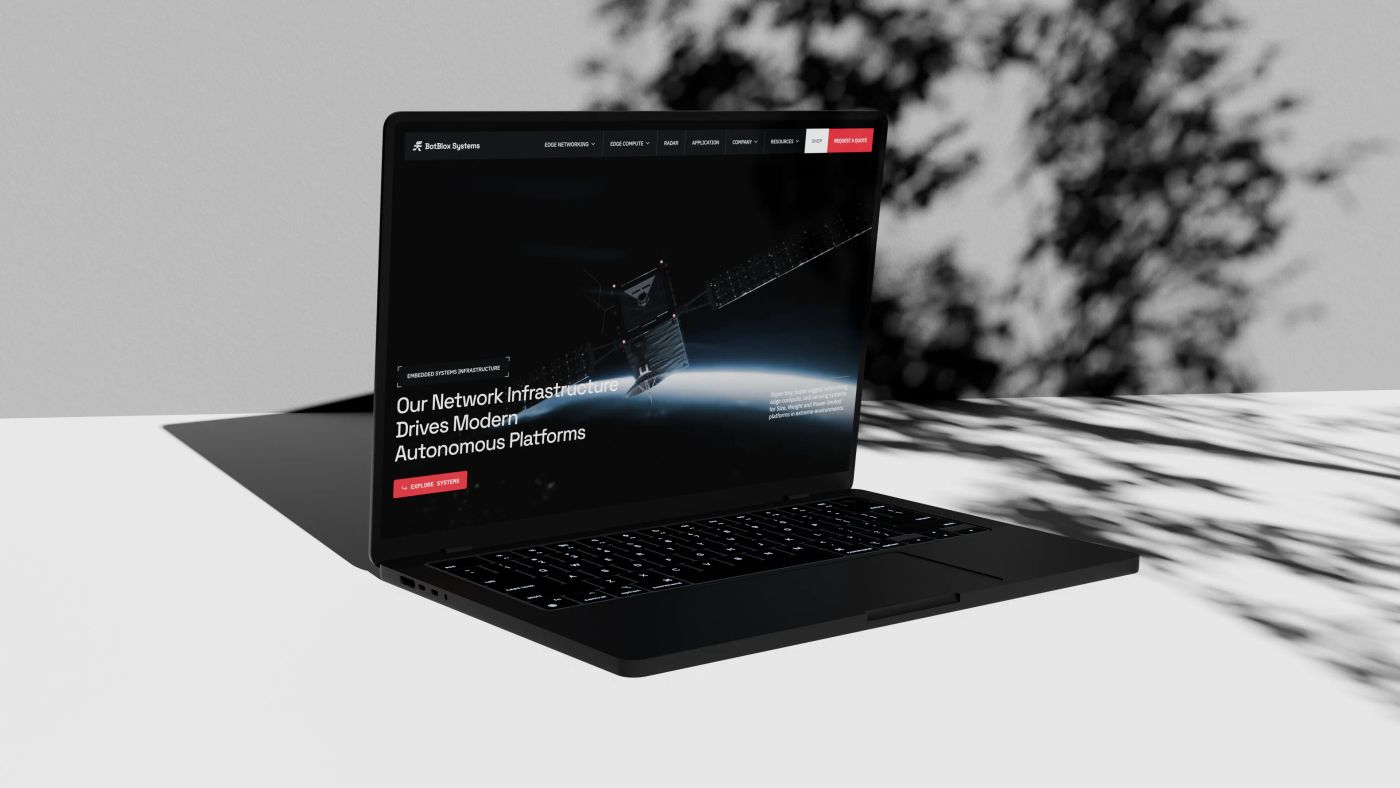 Framer development · 3D websites
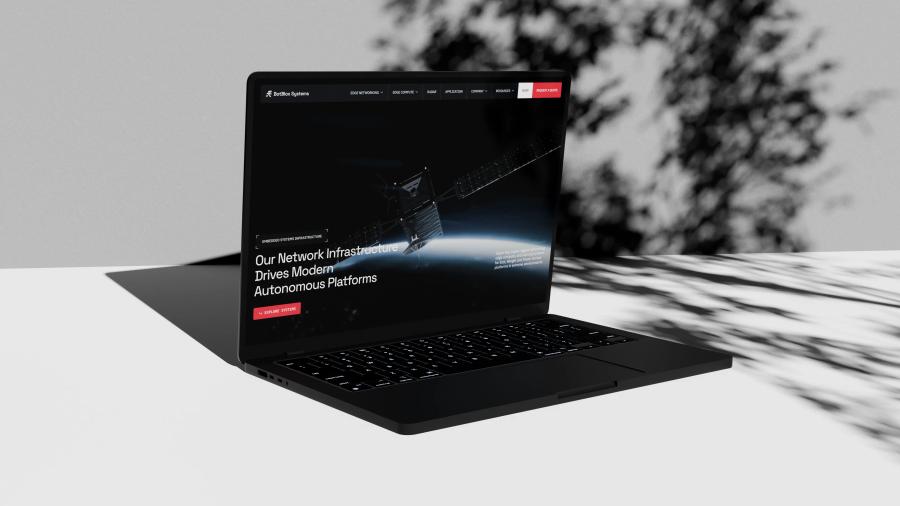
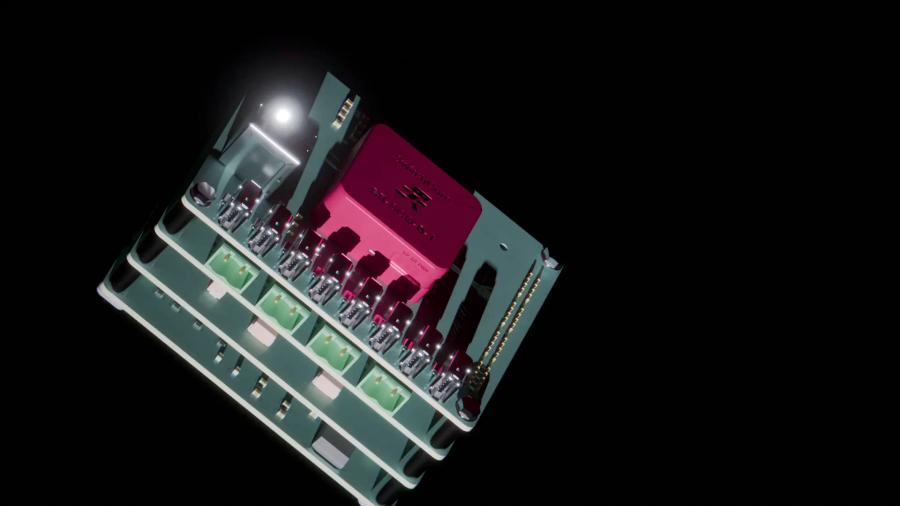
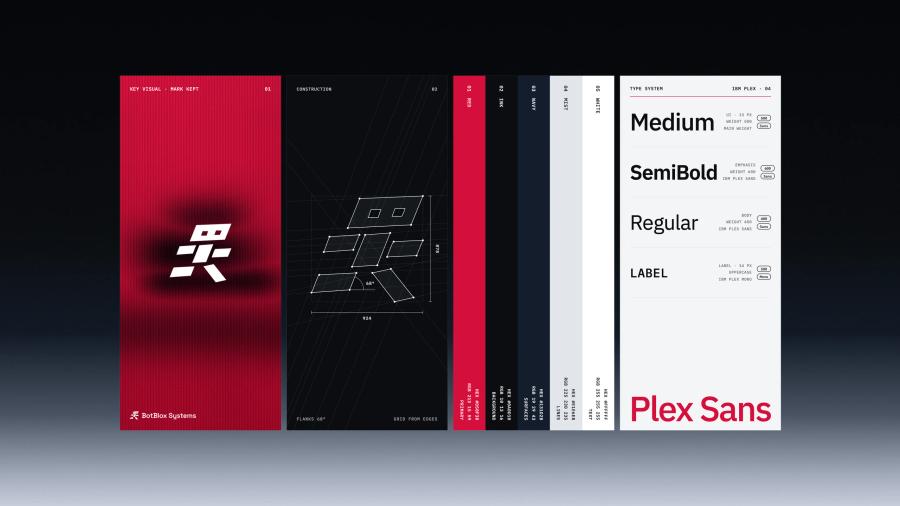
BotBlox: moving data where ethernet was never meant to run
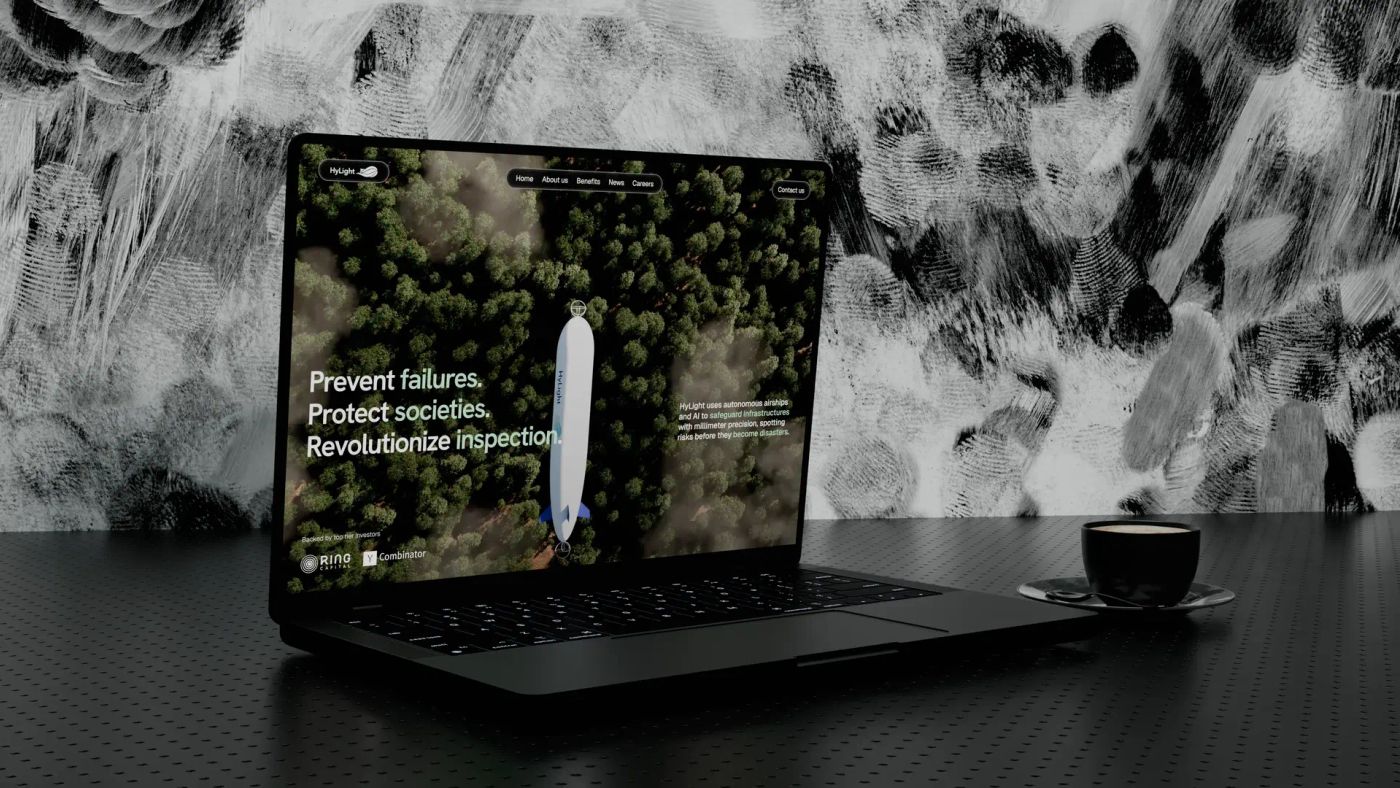 Framer development · 3D websites
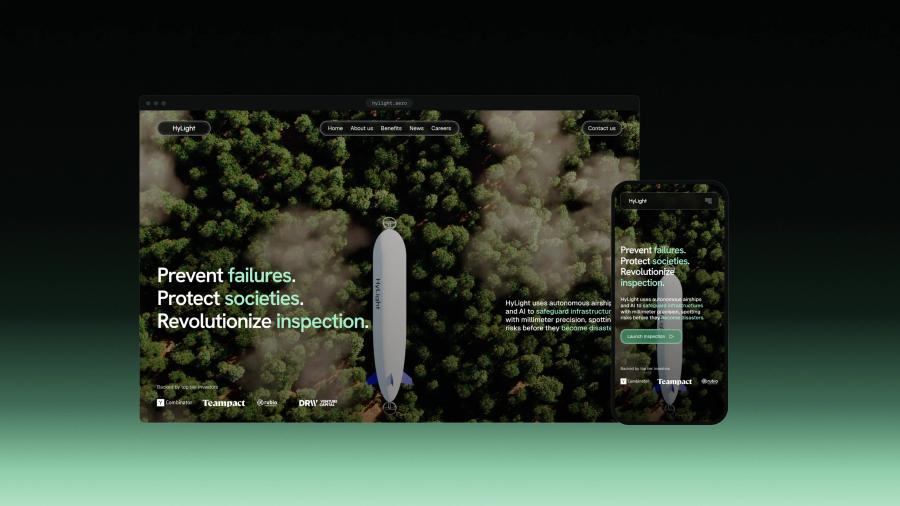
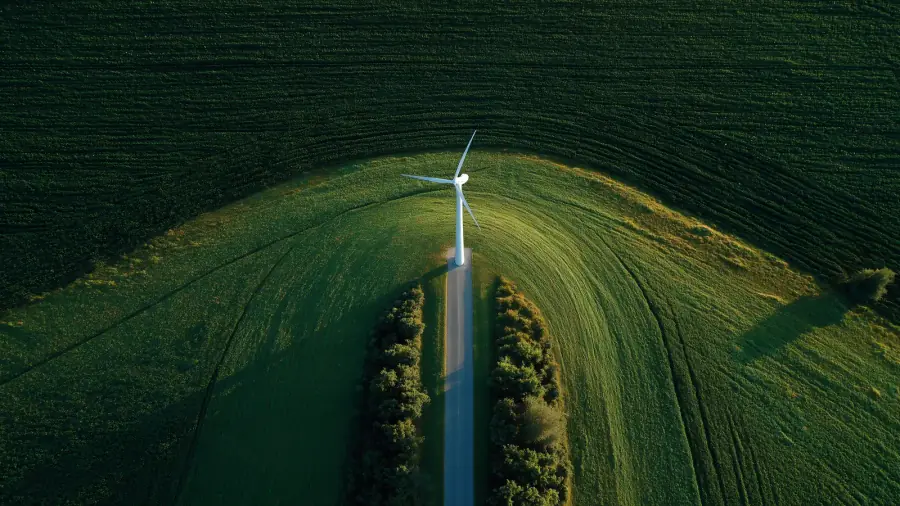
Hylight: an aerial inspection technology driven by design.
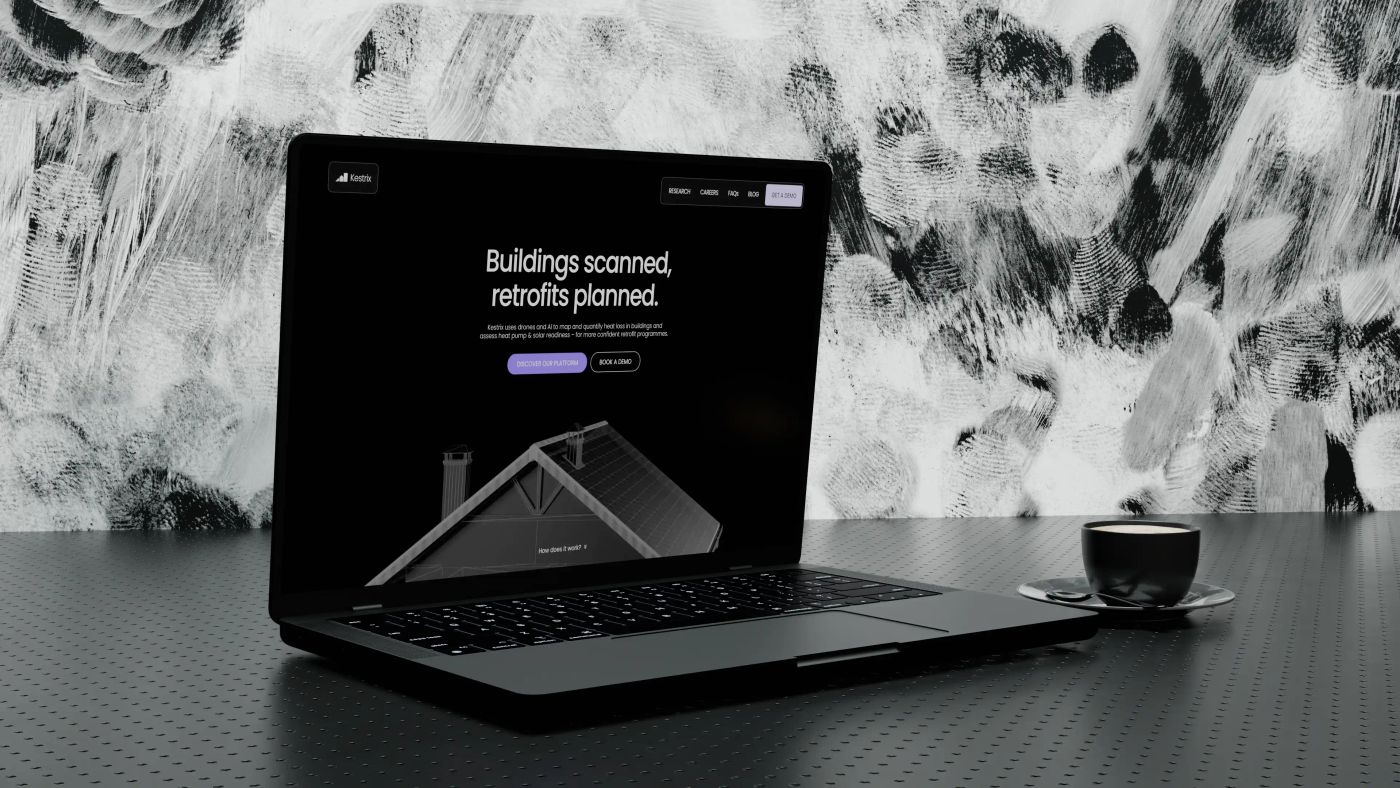 Framer development · 3D websites
Kestrix: making thermal data readable to accelerate building retrofit
 Framer development
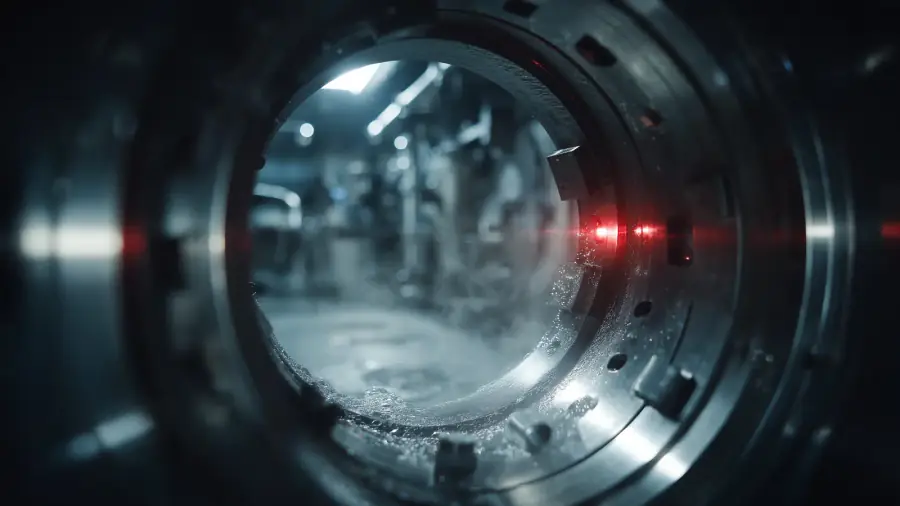
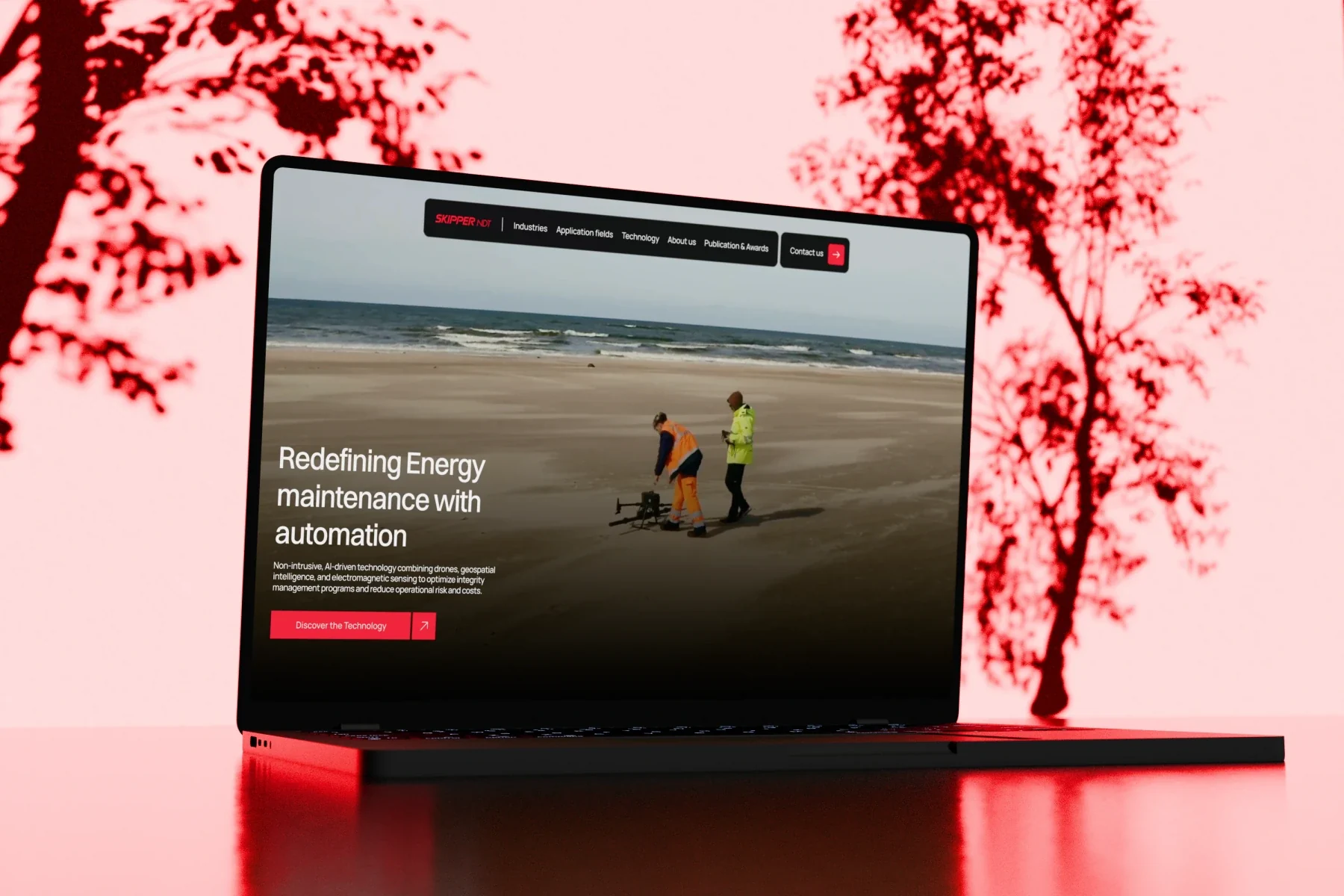
Skipper NDT: automating energy infrastructure maintenance
 Web design & UX · Framer development · Brand identity
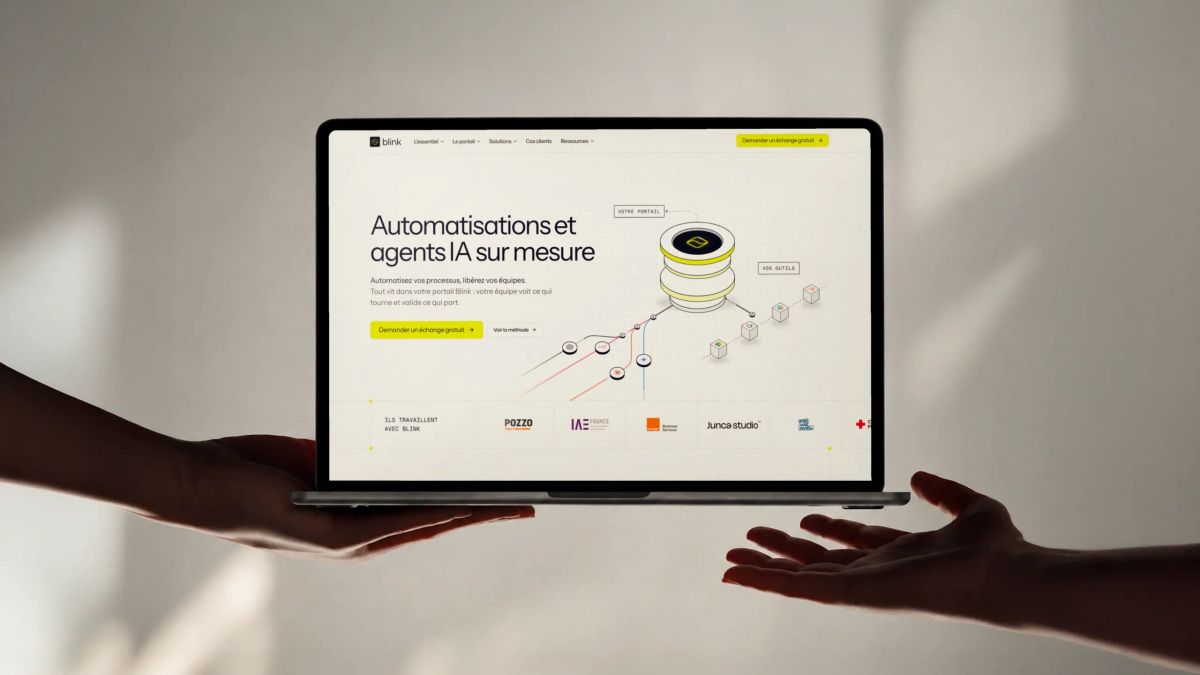
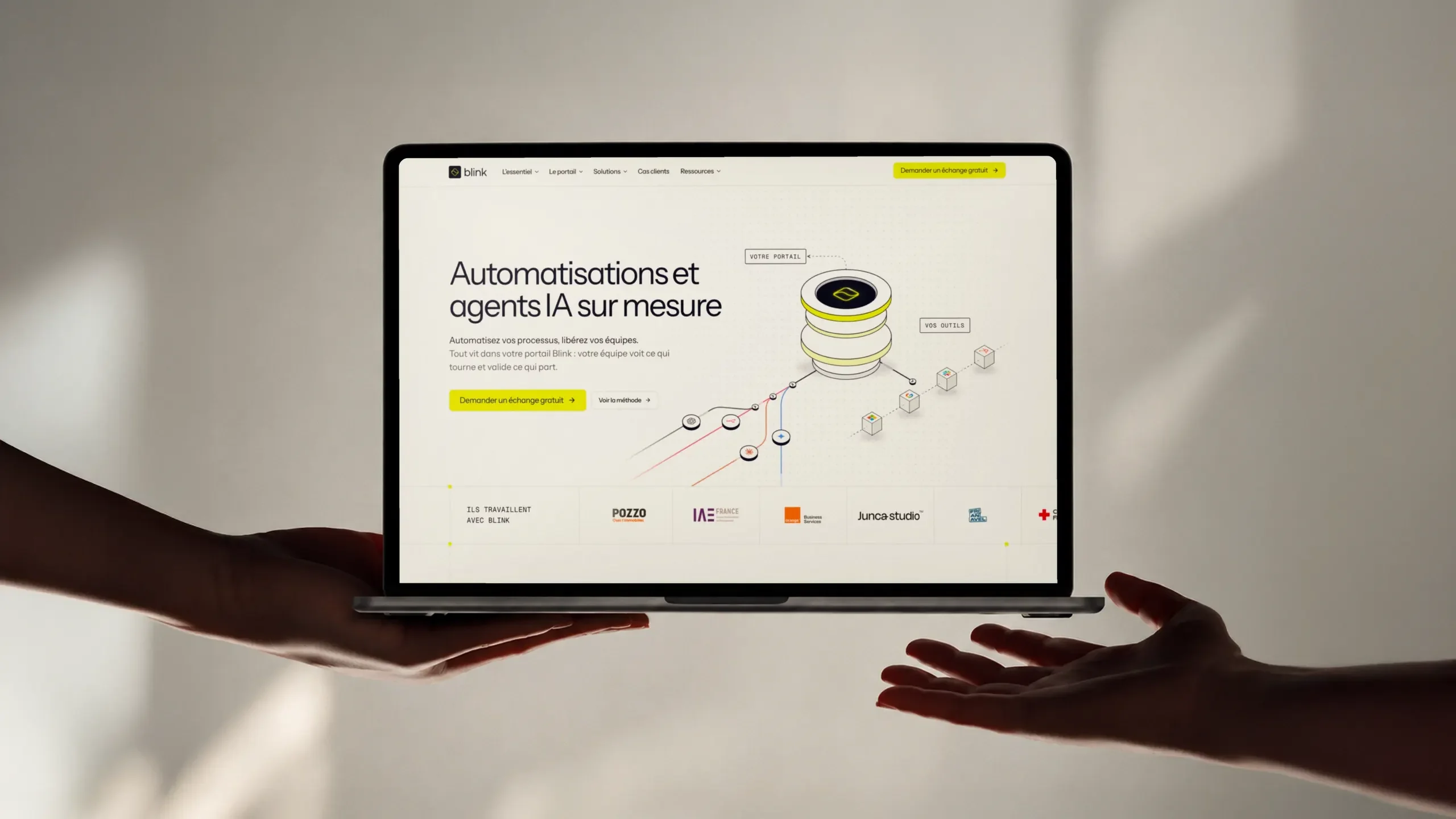
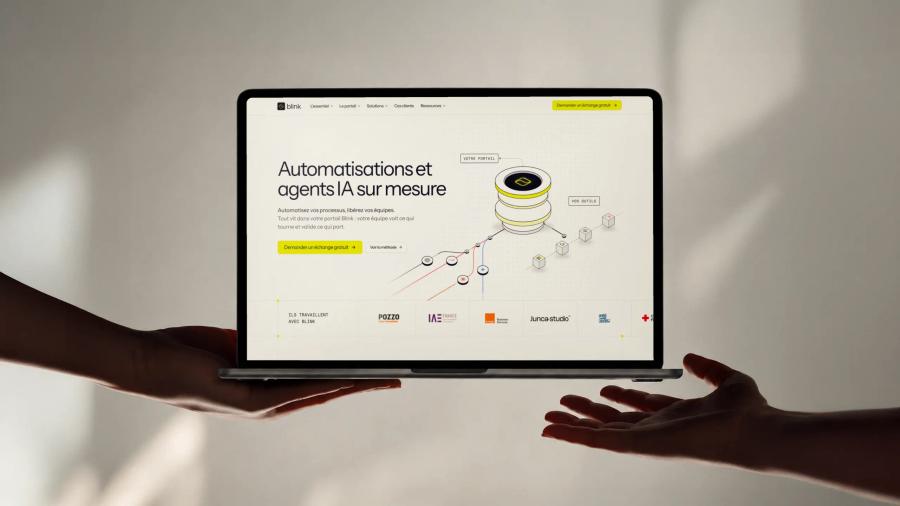
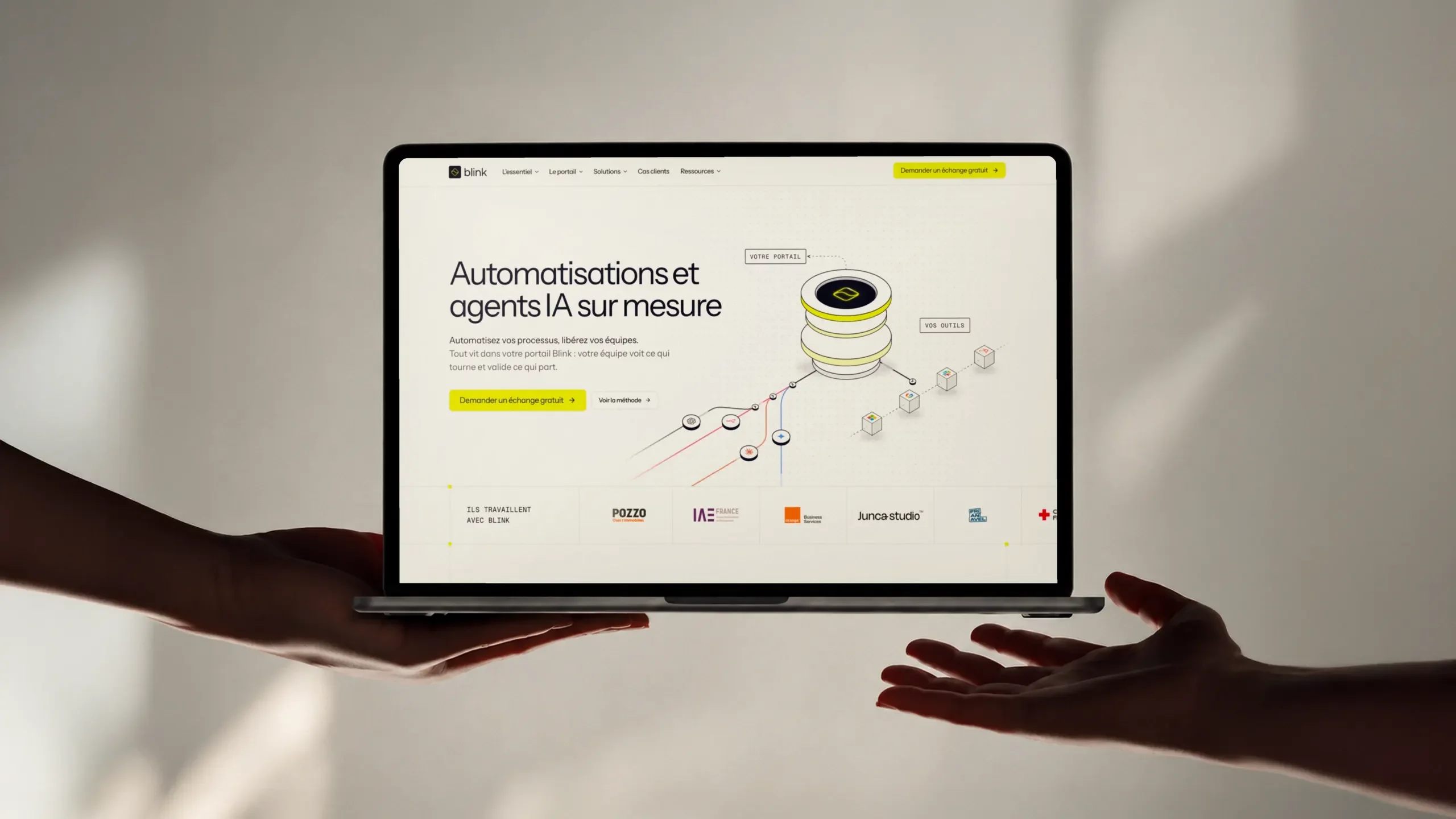
Building the identity and website of Blink, a human-centered automation agency
 Framer development · 3D websites
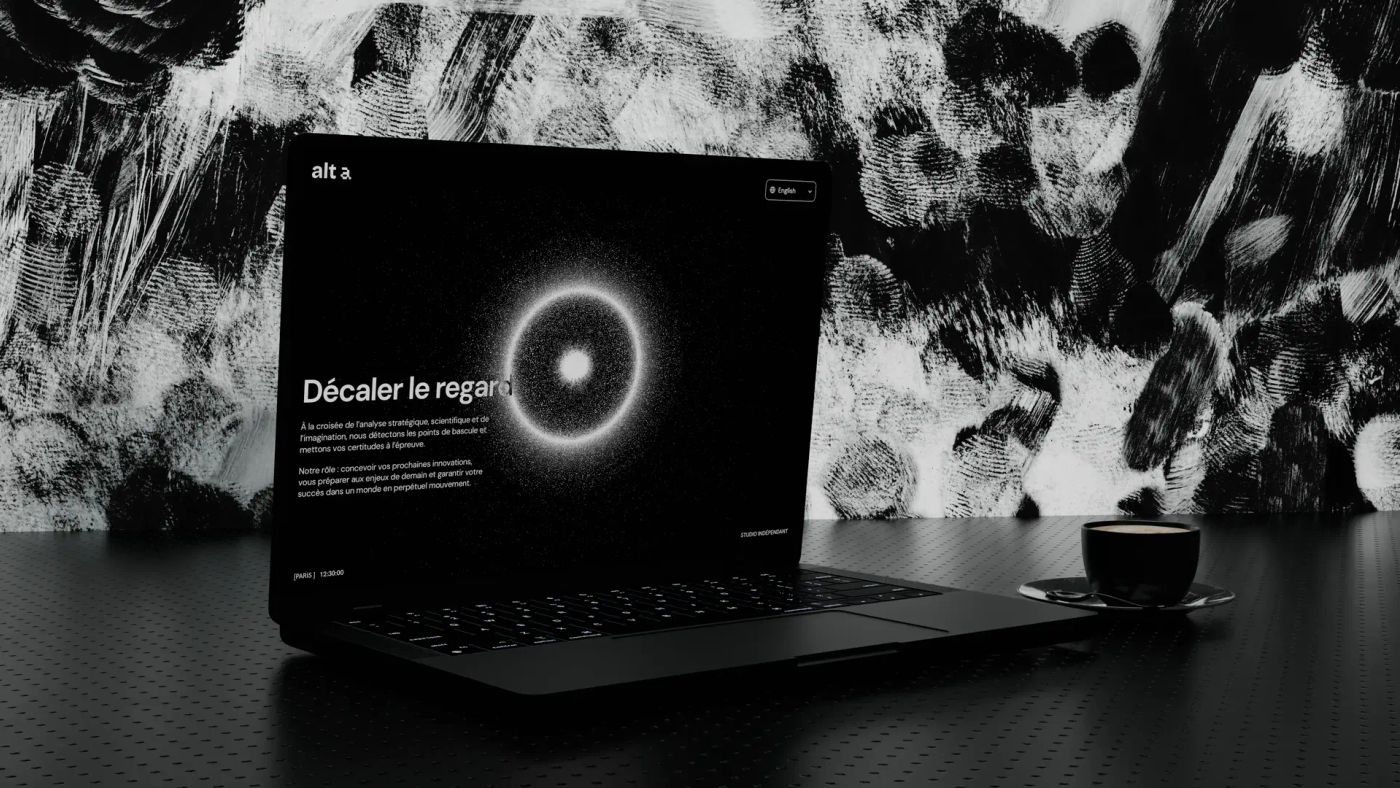
Building the landing page for Alt-a, a critical strategy and foresight agency
Same team
A website rarely fails on its own.
The site is where the gap shows. The fix often sits next to it, and the same people handle it: nothing to brief twice.
- Brand identityWhen the brand lags behind the product, we redo the identity in the same project, so the new site does not carry the old image.
- 3D & MotionWhen the product is hard to show, the people who design the page also model it in Blender and code the scene.
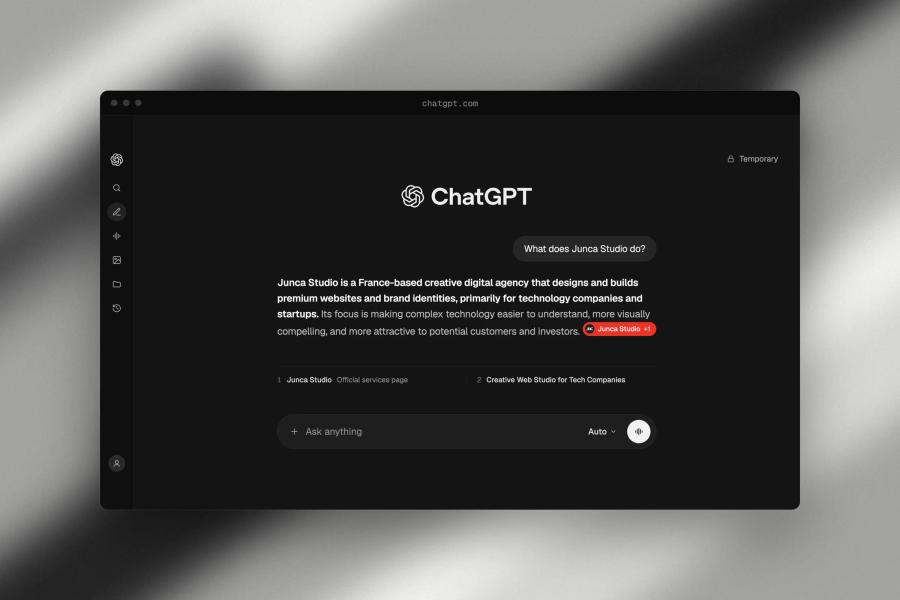
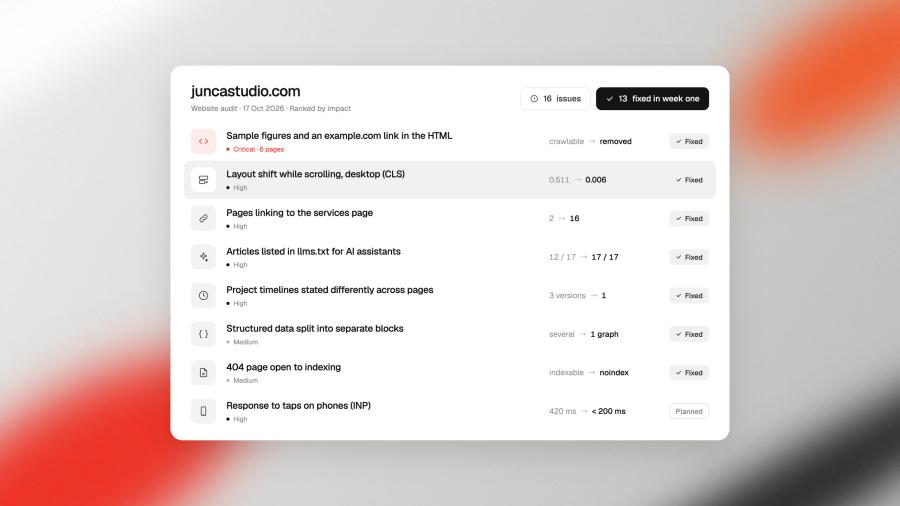
- SEO & GEOEvery site ships with the structure, metadata and content that let Google rank it and AI assistants quote it.
- FundraisingBefore a round, the website is the second thing investors open after your deck. We make sure it tells the same story.
How much does a website for a tech company cost?
The budget follows four things: the number of pages, how much content your team will edit in the CMS, the level of animation, and whether the build is in Framer or in code. A website built in Framer typically ranges from $10,000 to $20,000; with a brand identity and custom 3D, projects usually range from $20,000 to $50,000. If your budget is tight, we phase the work: the essentials first, then 3D and new pages. You get a detailed quote, line by line, after a free first call.
How long does it take to design and build the website?
4 to 6 weeks for a focused site once the brief is approved, and 8 to 12 weeks when the project includes branding, 3D scenes or custom animation. If you have a launch, a trade show or a fundraise date, tell us in the first call and we plan backward from it.
Framer or custom code: how do we choose?
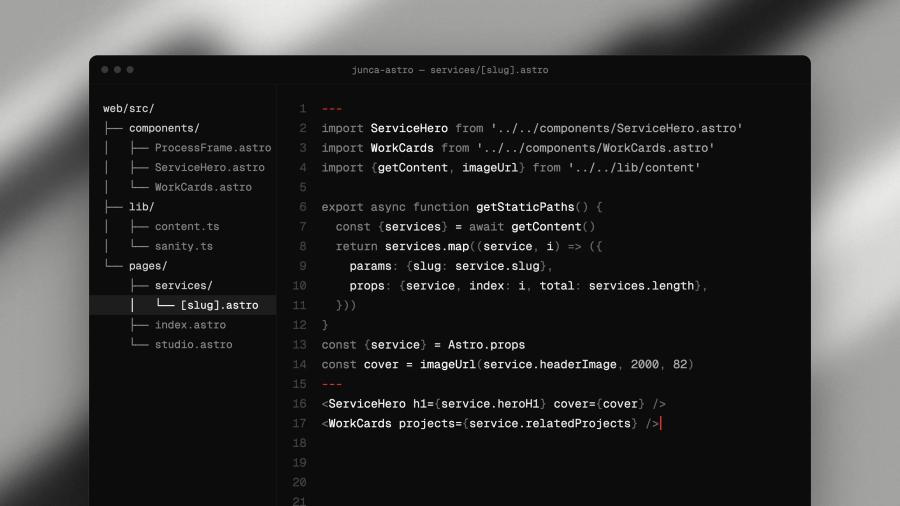
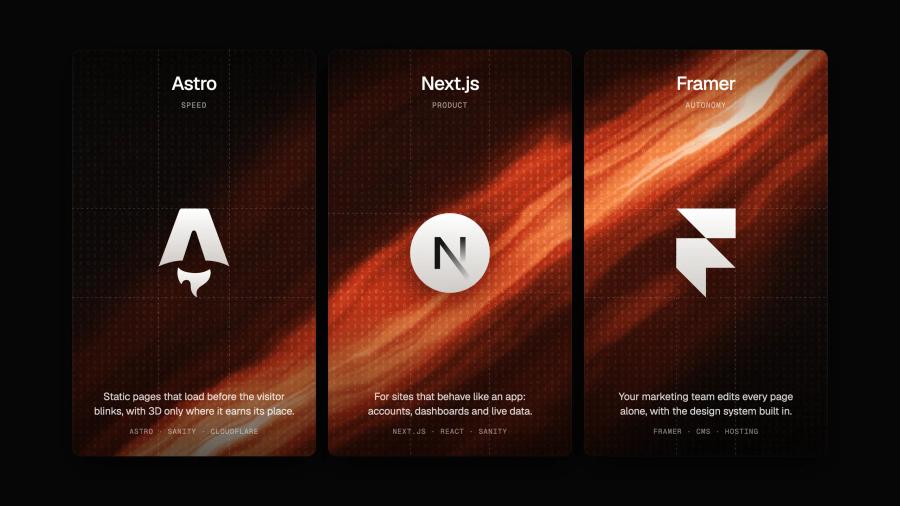
Framer when your marketing team publishes often and the site lives on pages, articles and a blog. Code, in Astro or Next.js, when the site has to be immersive, load almost instantly, follow the design exactly or connect to your product; your team still publishes in a simple CMS. We build in both, so the recommendation is written down with its reasons before any design starts.
Can we run the website ourselves after launch?
Yes. On Framer, your team edits text, images, articles and pages built from existing sections. On a custom build, they publish in Sanity and the site updates within minutes. We train the team at launch. New section types and structural changes are the only things that still need a designer or a developer.
Who owns the website and the code?
You do. On a custom build, the repository, the Sanity project and the hosting account are in your name, and the code is documented so your engineers or another studio can take it over.
Will a redesign cost us our Google rankings?
Not if the move is planned. We map every existing URL, keep the ones that can stay identical, redirect the rest permanently, and carry titles, descriptions and structured data over page by page. After launch, we check indexing in Google Search Console until every important page is back.
Do you work with companies outside France?
Yes. We work in English and in French, remotely, with teams in France and the UK: Kestrix, for example, is based in London. The project runs through calls and the Junca client portal, where you follow progress, review copy and approve each step, so distance changes nothing.
Why work with a studio that also does identity and 3D?
Because a tech website usually fails on the image before it fails on the code. When the identity, the 3D and the pages come from three vendors, the site looks like three companies made it. At Junca, the same team designs the brand, models the product and builds the site, so one art direction runs through all of it.
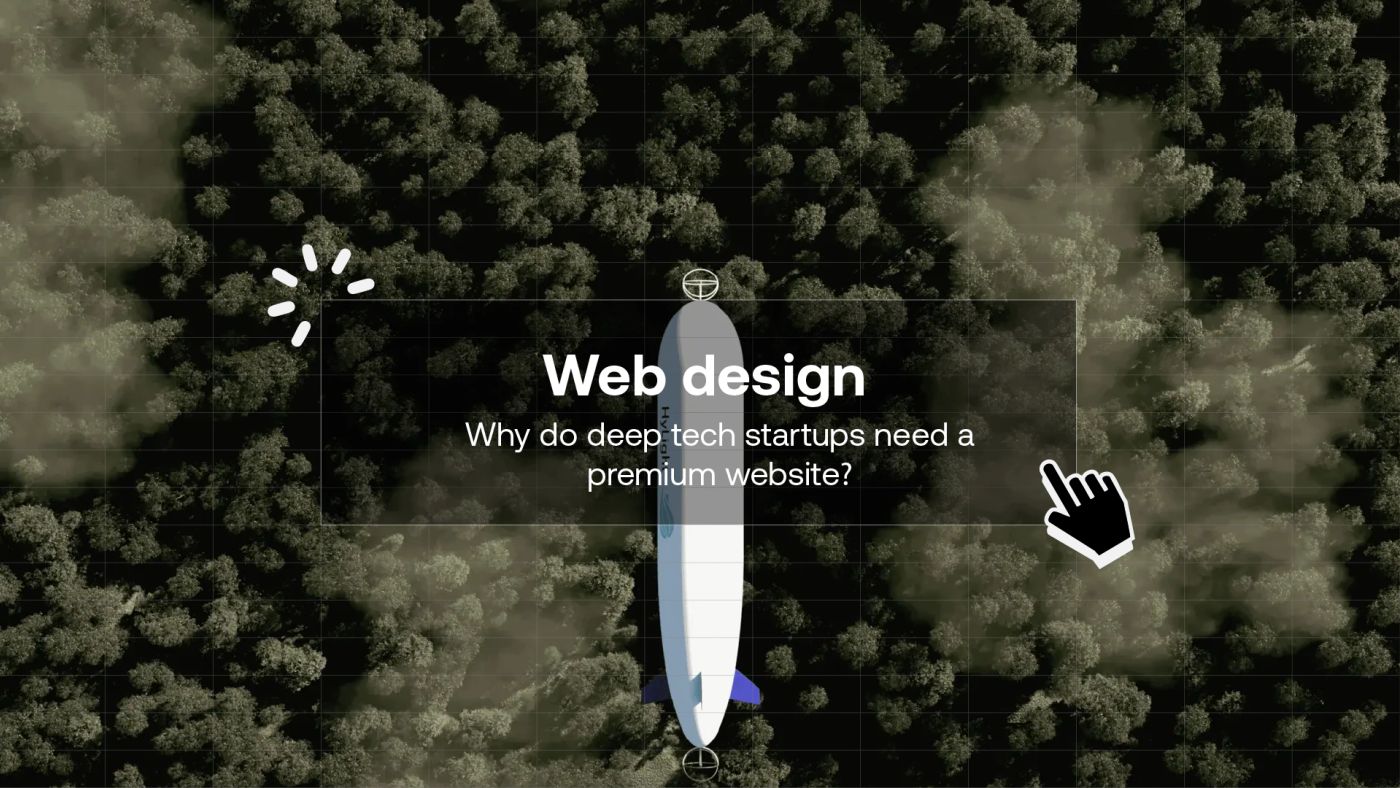
Why deeptech startups need a premium website
5 min read
A generic website is no longer enough for a deeptech startup. Investor credibility, talent acquisition, market positioning: why web design is an underestimated strategic lever.
How to explain complex technology on a website (without dumbing it down)
4 min read
Jargon repels even when you define it, and visitors read 25% of your words. The layered-narrative method we use to make deeptech legible, from Hylight to Kestrix.
How much does a website redesign cost in 2026?
9 min read
A transparent breakdown of website redesign costs: what drives the price, what to expect at each budget level, and why cheap rarely means effective.
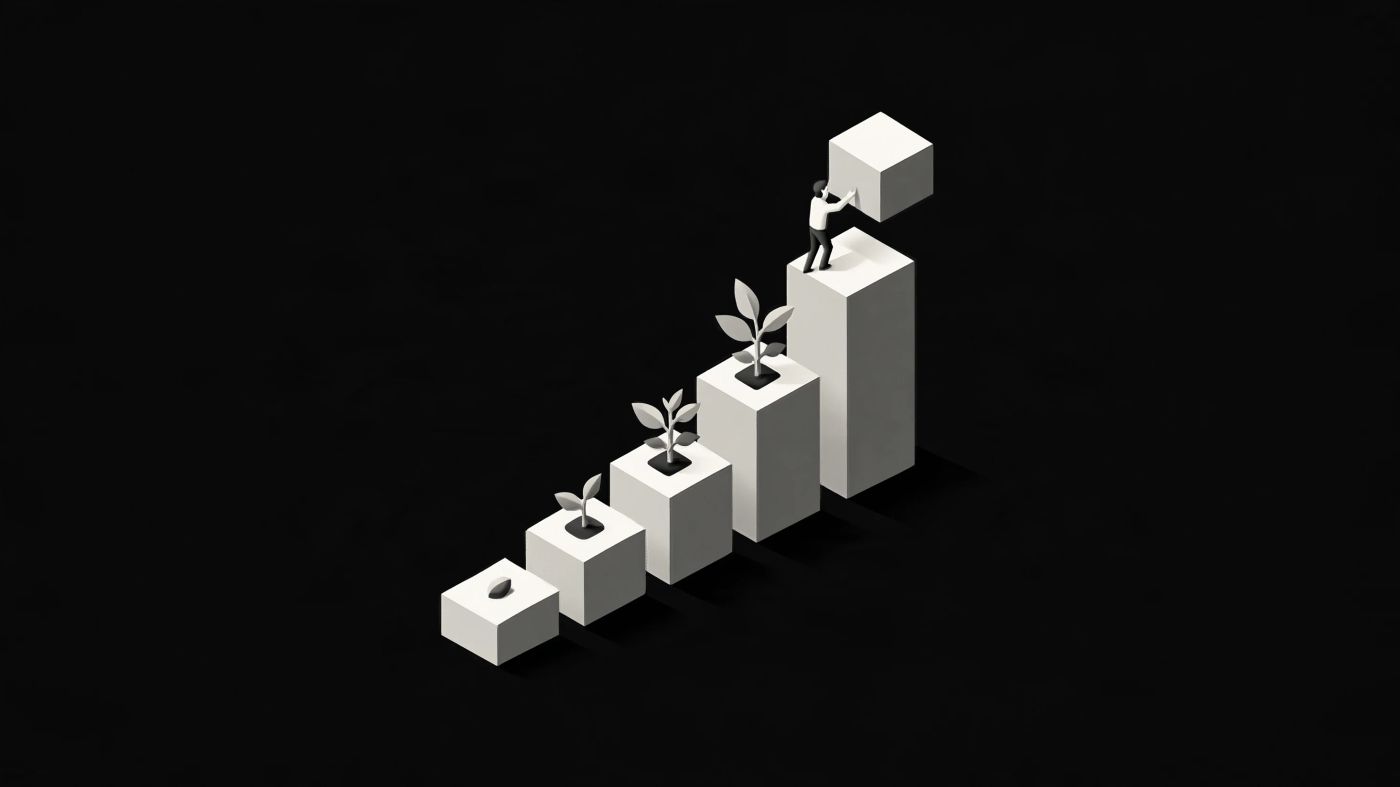
Startup website after a seed round: what to change before Series A
6 min read
The median gap between seed and Series A is now 616 days. The site that helped you raise was written for investors; here is what to change so it sells, hires and prepares the next round.
UX and conversion rate: 7 design mistakes that drive your visitors away
5 min read
The most common UX mistakes we see on tech company websites, and how to fix them to stop losing conversions.
Other services