



The product is ready for its next round. The logo was made for the first pitch.
Brand identity for tech startups whose image lags behind the product

What it is
Brand identity for a tech company is the system that makes it recognisable and credible before anyone understands the technology: the position it takes, the logo, colour, type and imagery, and the rules that keep them consistent on the website, in decks and on a trade show stand.
Junca builds that system with the founders, then applies it with the same team to the website, the investor materials and the 3D.
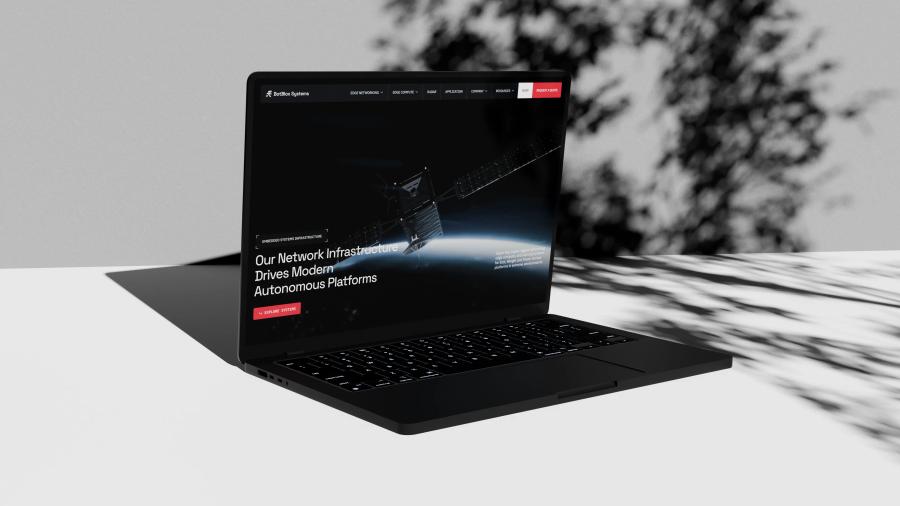
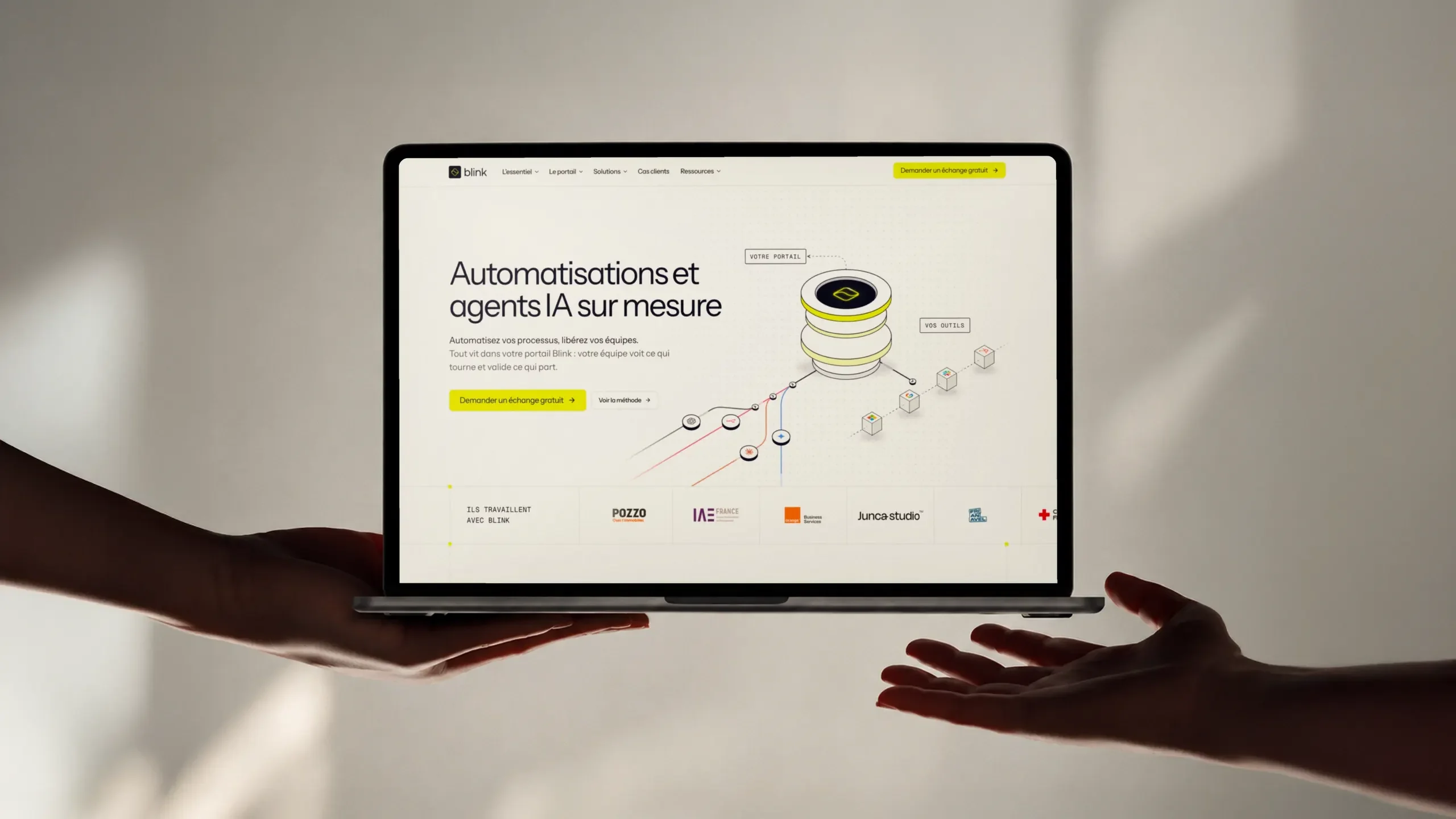
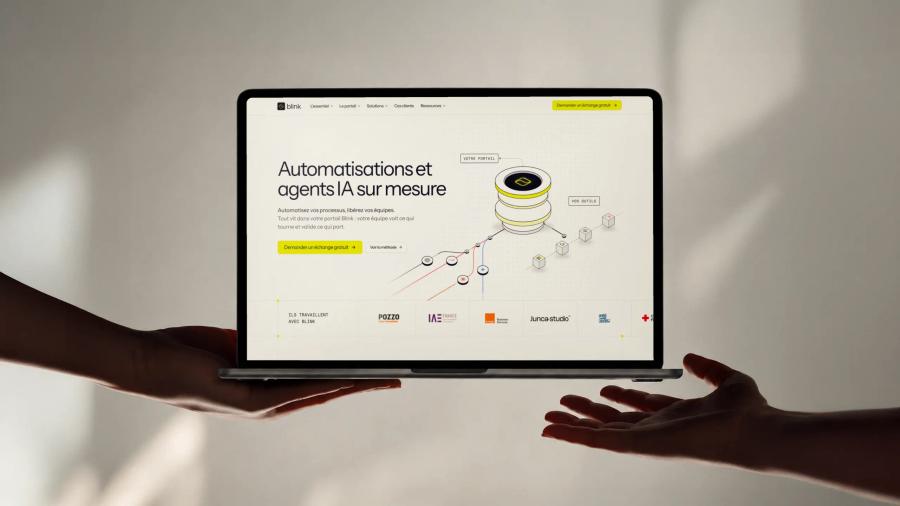
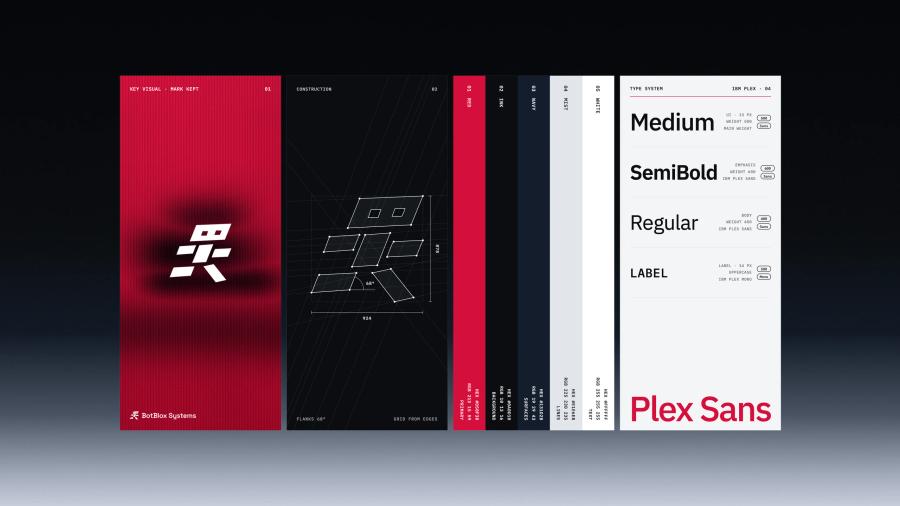
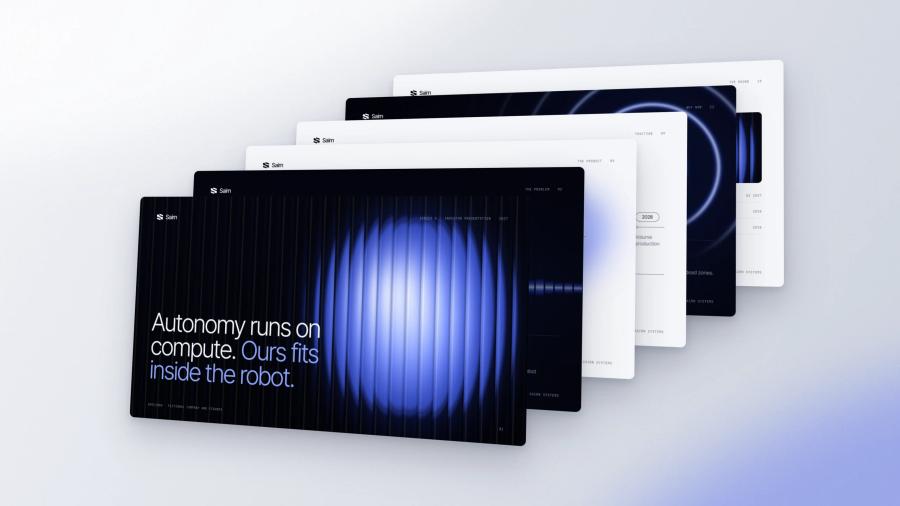
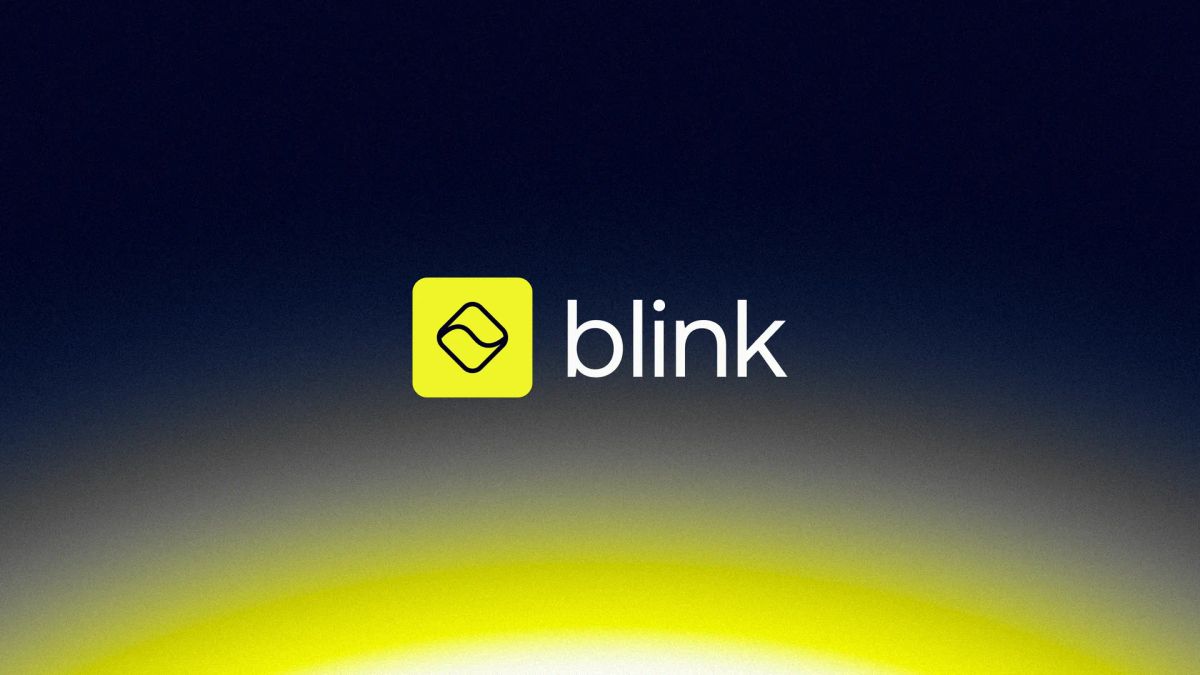
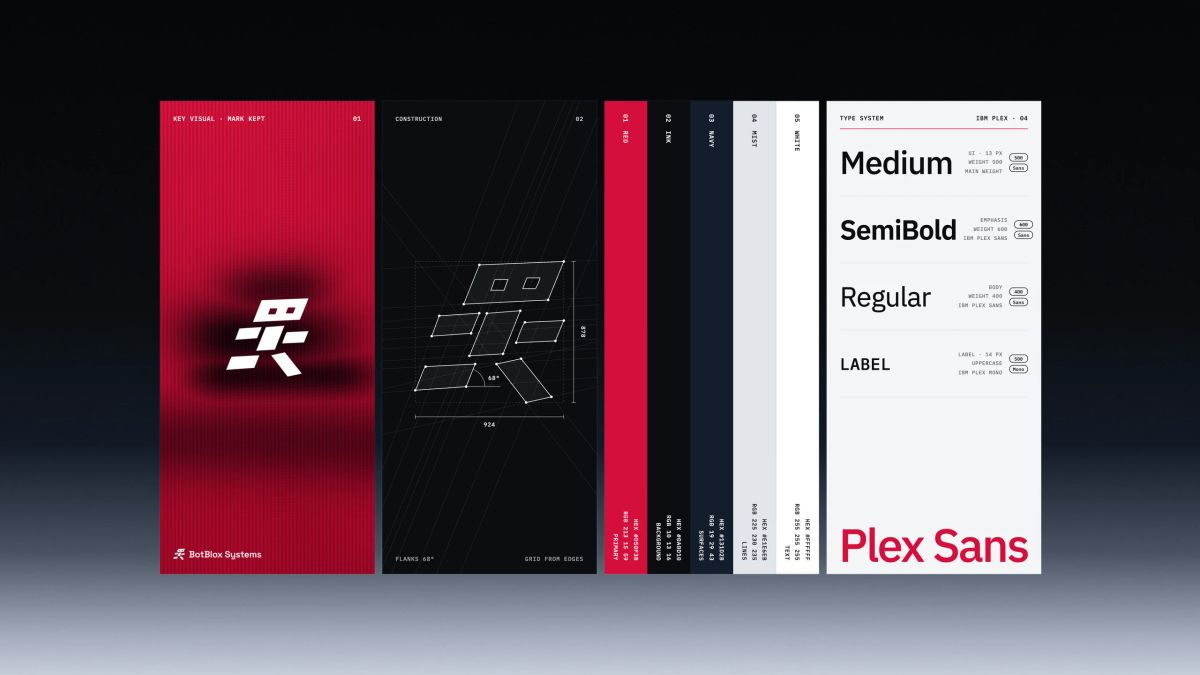
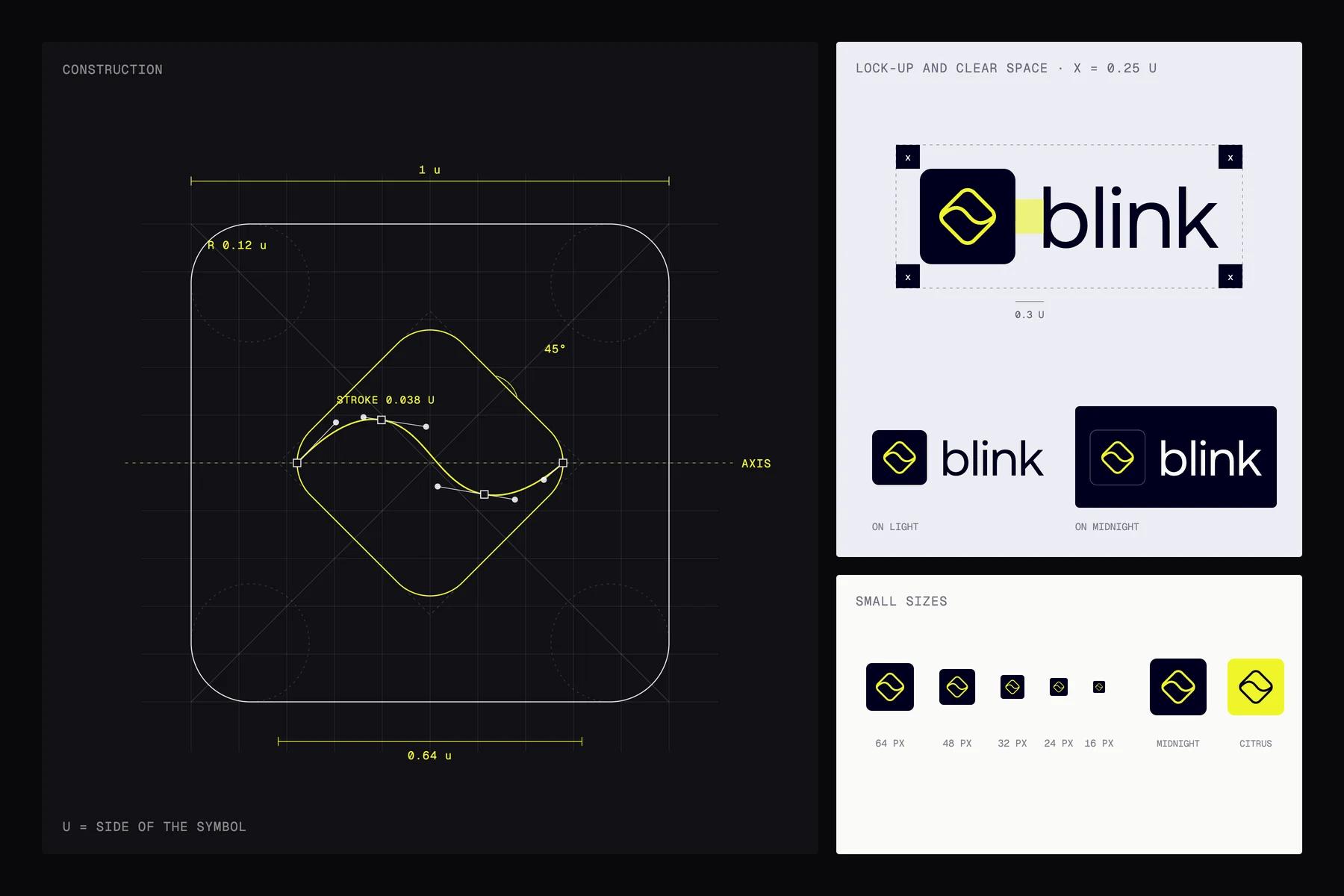
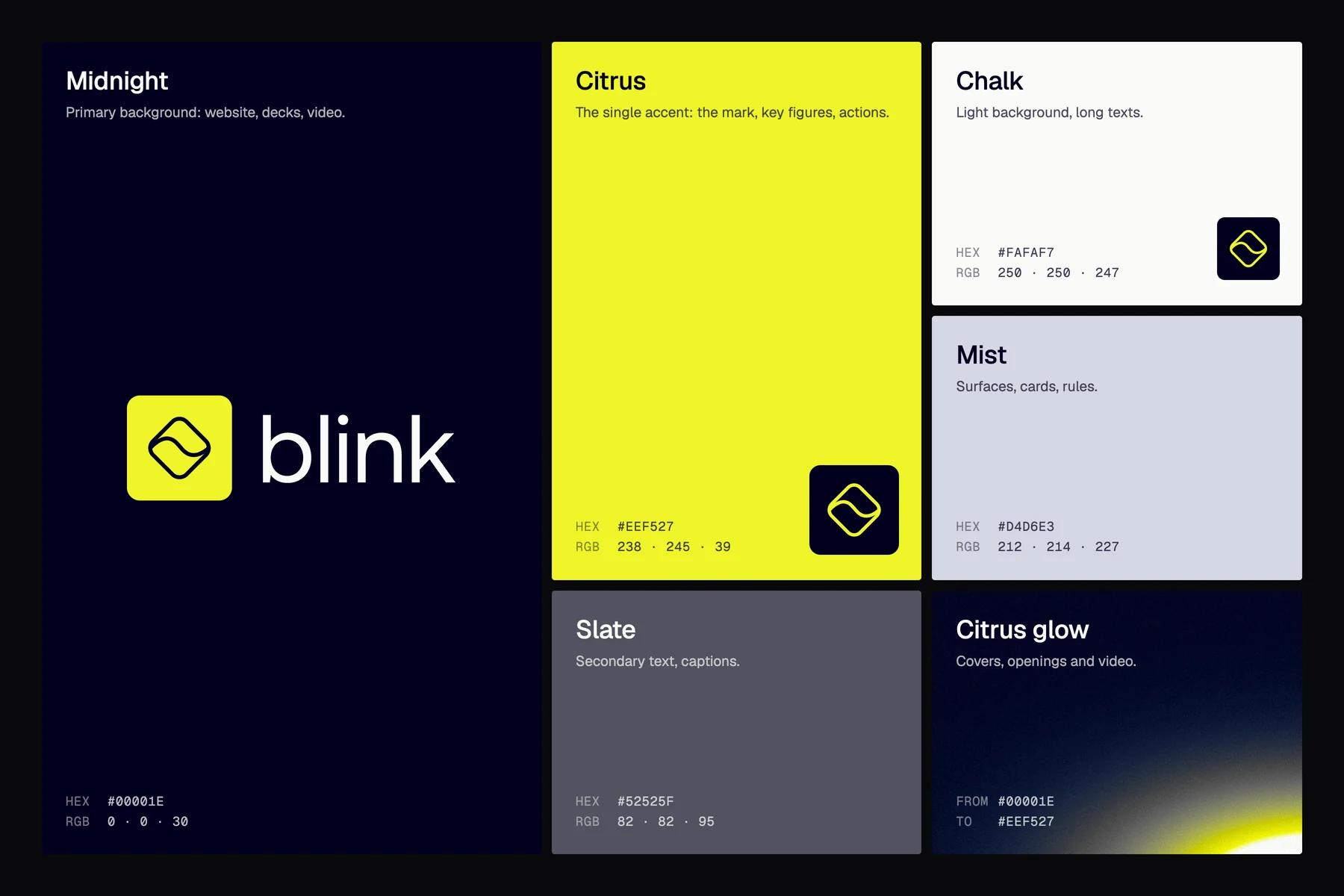
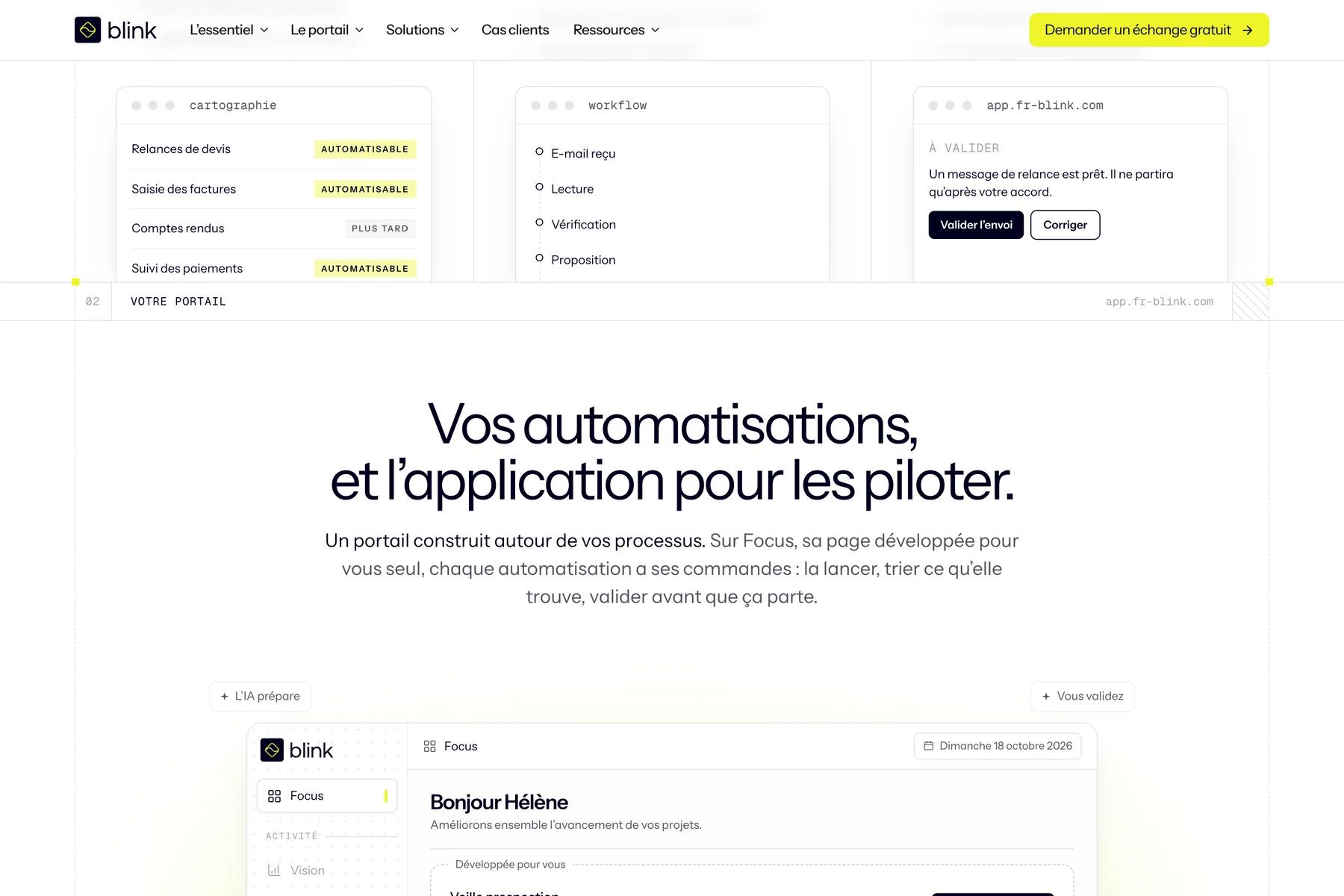
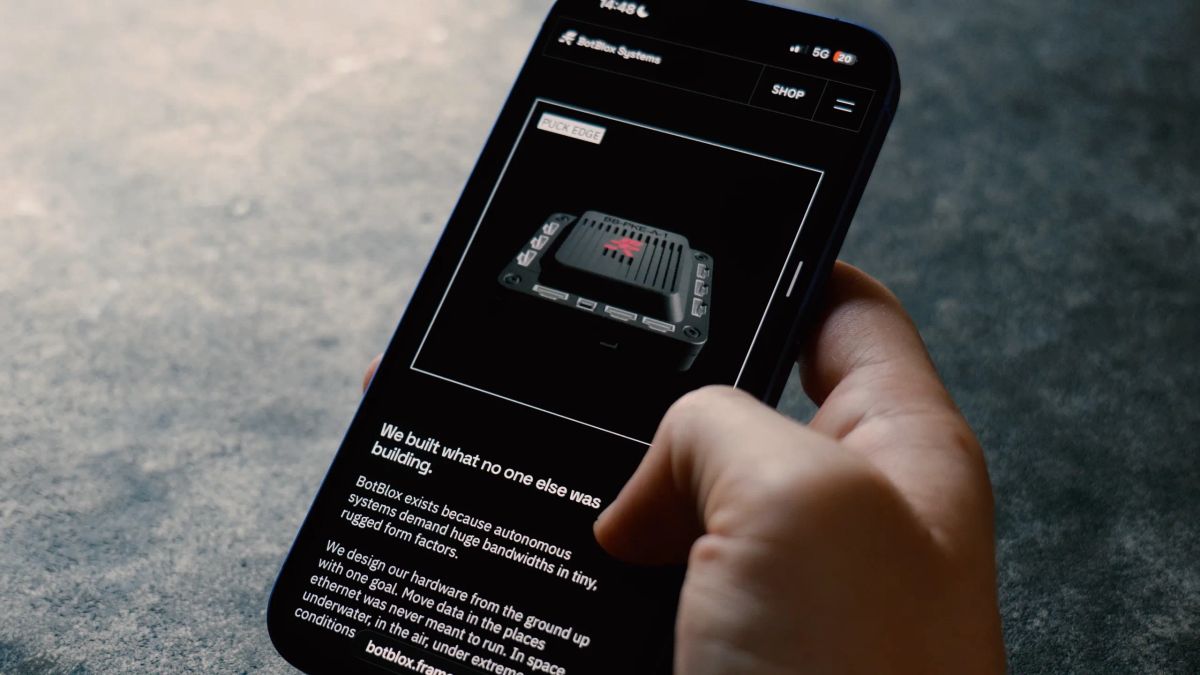
We start from the technology and the people who buy it, not from a moodboard. Blink left with a complete identity built from scratch, BotBlox came to us for a rebrand before its new website, and we rebuilt our own identity the same way. Everything is designed in-house and handed over with guidelines your team can actually use.
Brand services
Two ways in, the same standard.
A new identity when there is nothing worth keeping, a rebrand when part of the brand already works. In the first call, we tell you which one you are in.
 Brand identityPositioning, logo, visual system and guidelines, built from the technology up.See the process
 RebrandingWhen the product has outgrown the brand: keep what works, rebuild the rest, roll it out without losing recognition.View service
 Not sure which one?Show us the brand you have today. We tell you what to keep, what to rebuild, and what can wait.Ask us
The problem
Your technology moved on. Your brand still looks like the seed deck.
Why tech brands fall behind their product
Founders build the product first, and they are right to. The brand gets made in an afternoon for the first pitch, then every new deck, page and stand adds its own version. By the time the technology is mature, the image tells investors and buyers the opposite.
The traps
Trap 0101 / 05
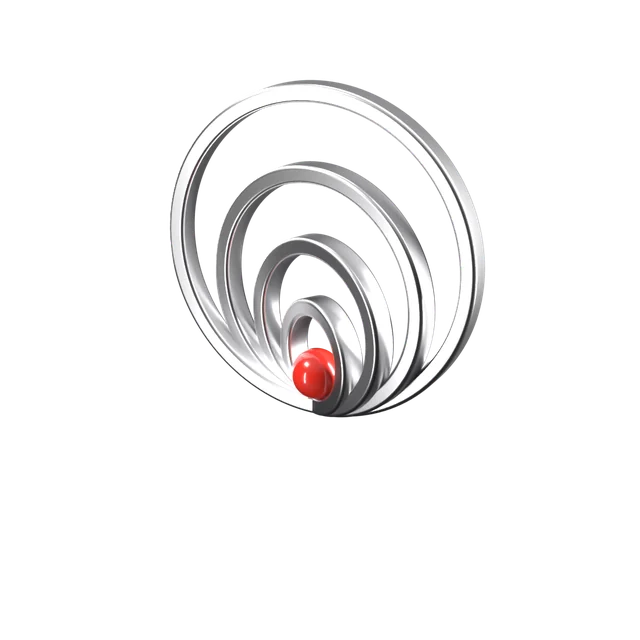
Made for the first pitch
A logo from the garage days
The mark was drawn fast, for a deck and a domain name. It worked when the company was three people. Next to the customers and investors you now meet, it reads as early-stage, and it undersells a technology that took years to build.
Trap 0202 / 05
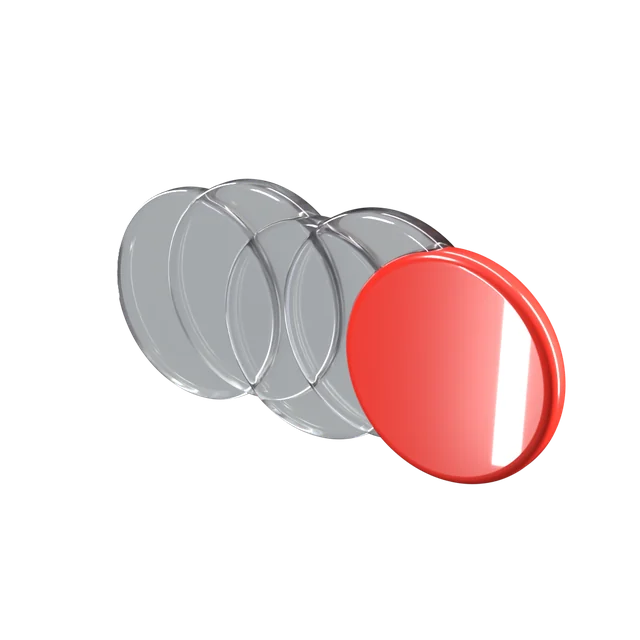
Every deck a new colour
Five decks, five brands
Without a system, each presentation, datasheet and post picks its own colours and type. Buyers who meet you three times meet three companies. We build the system first, then the templates, so the next document looks like the last one without a designer.
Trap 0303 / 05
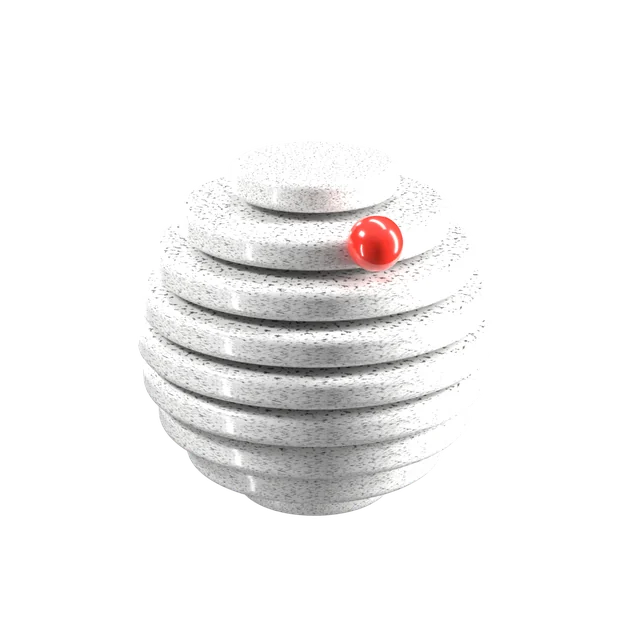
The technology stays invisible
A brand that says nothing about the product
A generic blue gradient and a circuit icon could belong to anyone. A tech identity should carry something of how the product works: its scale, its precision, its field. That is where the art direction starts.
Trap 0404 / 05
Made by three vendors
Site, deck and stand that never match
One freelancer drew the logo, an agency built the site, someone else made the 3D. Each piece is fine on its own and the whole looks improvised. At Junca, the same team designs the identity, the website and the 3D, so one art direction runs through everything.
Trap 0505 / 05
Stock everywhere
Stock images, stock credibility
Handshakes, server rooms and glowing globes tell a buyer nothing and look like everyone else. We replace them with renders of your real product, diagrams of your real process and photography of your real team.
The process
How we build a brand identity for a tech company
Positioning, identity and rollout are designed by the same team. You follow every step in the Junca client portal: workshops, routes, feedback and files in one place, and you talk to the people designing your brand, never to an account manager.
Step 01
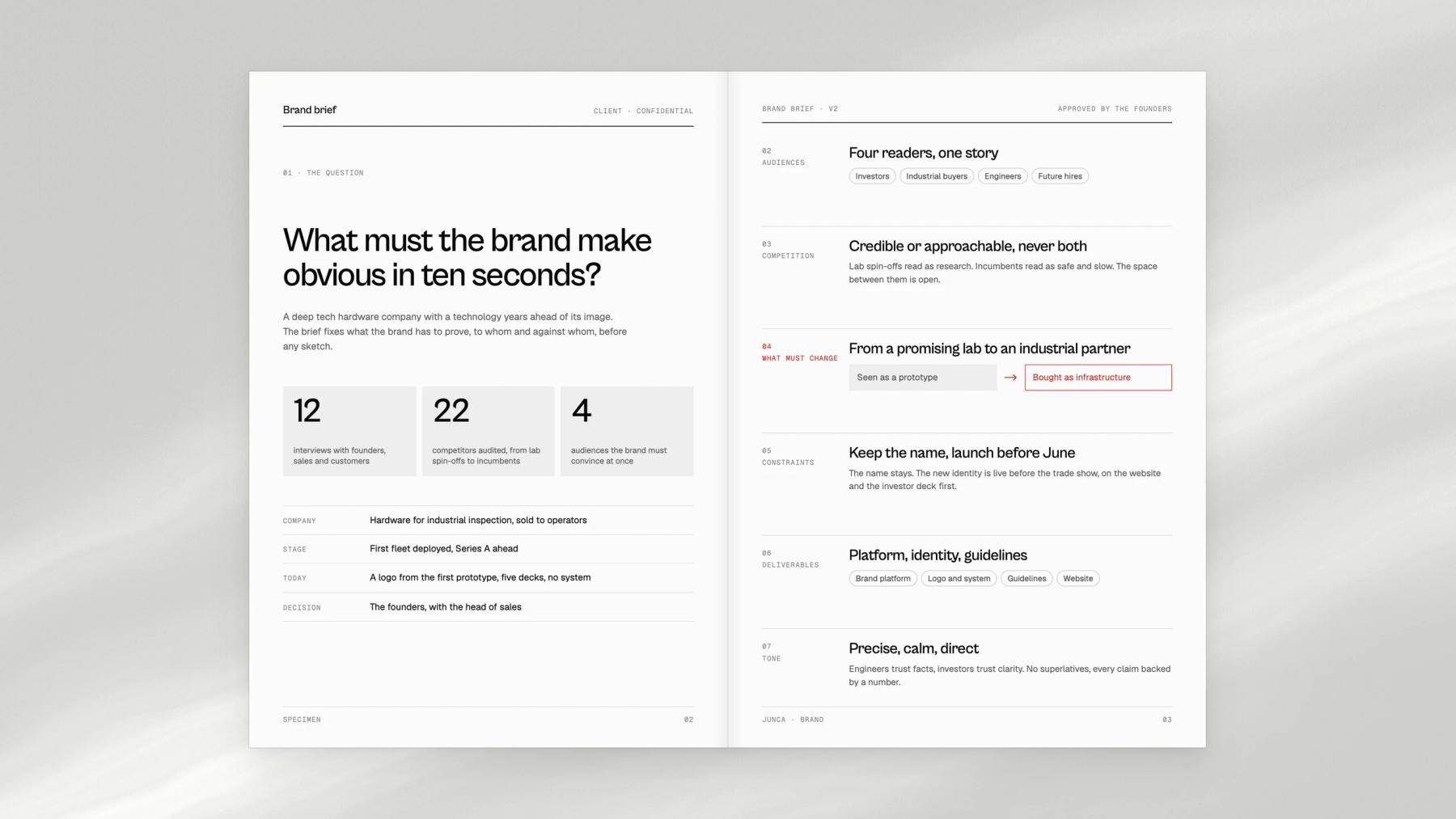
Brand brief
We learn the technology, the market and the people who decide, then write down what the brand has to make obvious.
Step 02
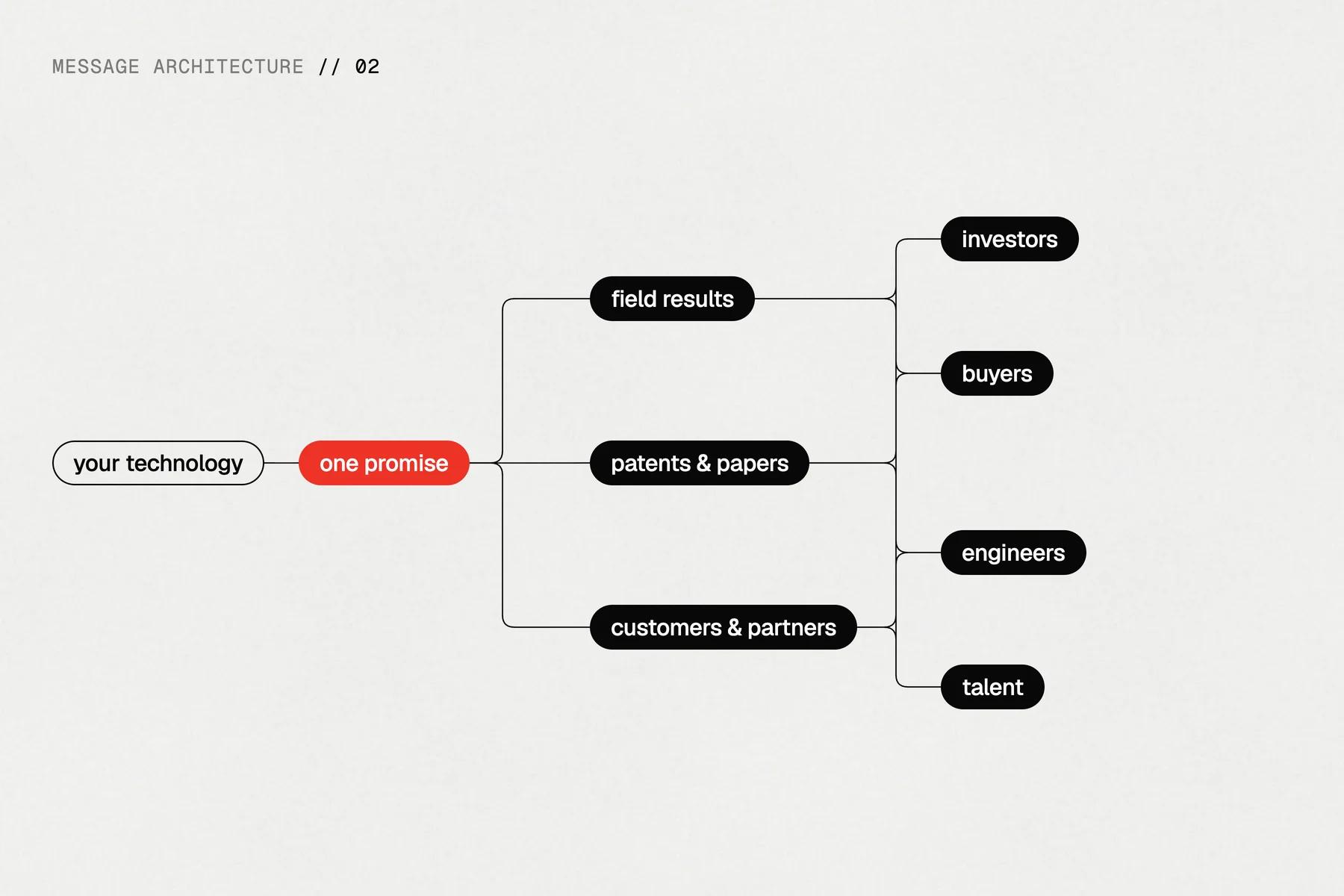
Position and message
One promise, the proof behind it, and how it is told to investors, buyers, engineers and future hires.
Step 03
Identity routes
Two or three routes for the logo, colour and type, presented on real touchpoints, then one refined with you.
Step 04
System and guidelines
The rules that keep the brand consistent: marks, palette, type scale, grid, imagery and motion, documented for your team.
Step 05
Rollout
The identity applied where it is judged: the website, the deck, social templates and, when the product needs it, 3D.
What you get
Everything the project needs, from one team.
Brand platform
Positioning, promise, proof and tone of voice, written down in one document your team can quote.
Logo and marks
The primary logo, a compact mark and the favicon, in every format and colour version you need.
Visual system
Palette, type scale, grid, iconography and image direction, built to work on screens, print and stands.
Brand guidelines
The rules in one document, with examples of what to do and what to avoid, so the brand holds without us.
Templates
Presentation, social and document templates your team fills in without breaking the system.
Source files
Vector logos, fonts licensing notes and editable templates, handed over at the end of the project.
Where to start
A first identity, or a rebrand?
Three questions. The answer comes with the services you can skip.

Often paired with
Selected work
Brands and art direction we built for technical companies
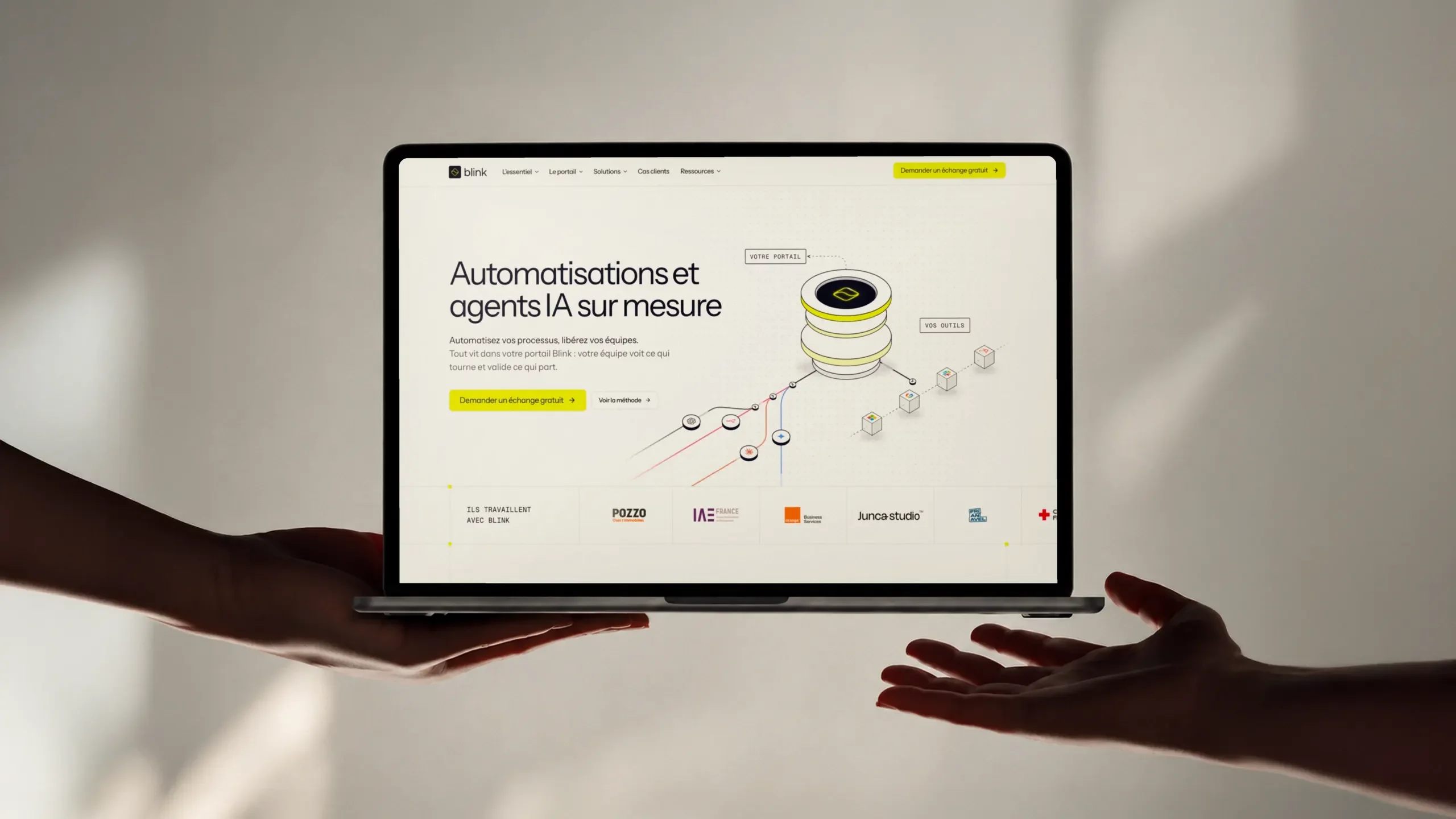 Brand identity · Websites
Building the identity and website of Blink, a human-centered automation agency
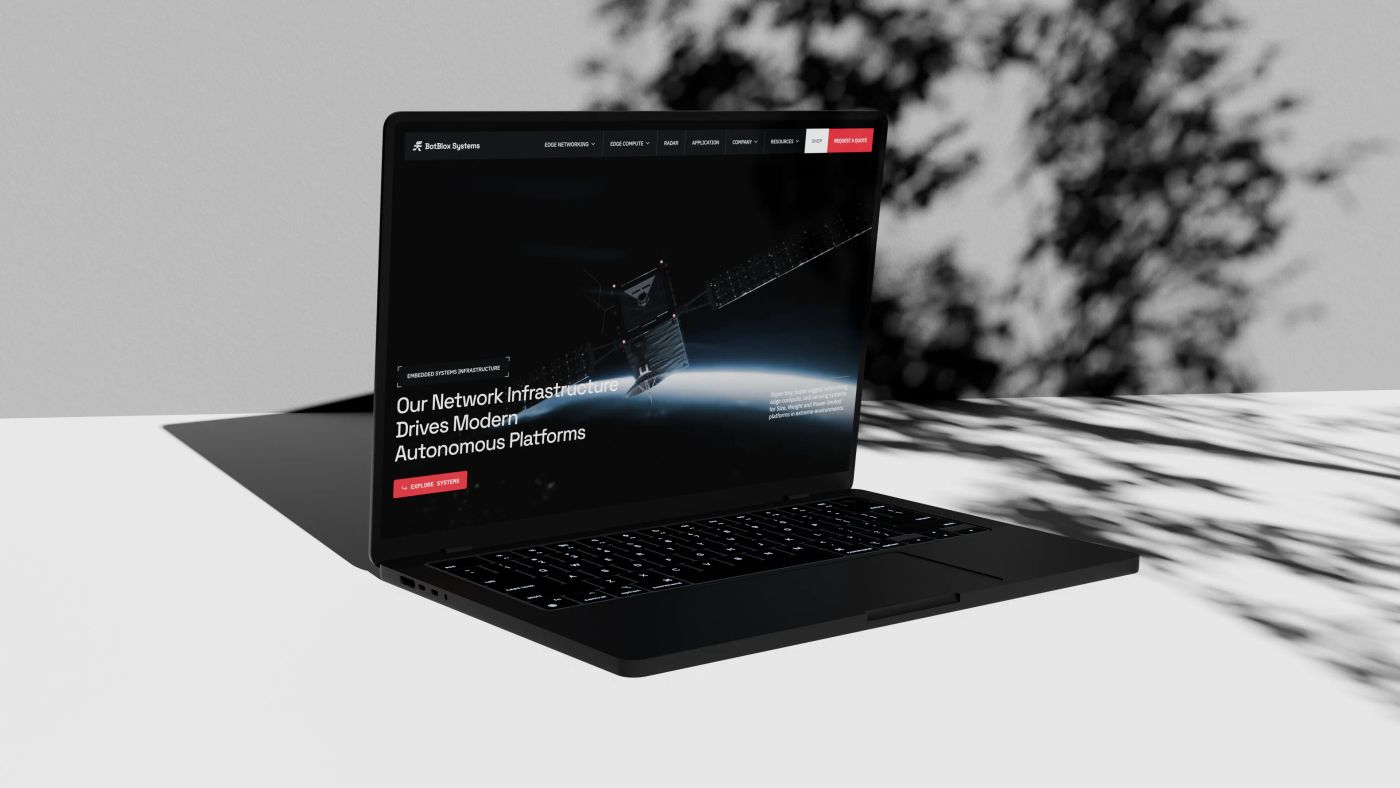 Rebranding · Websites · 3D & Motion
BotBlox: moving data where ethernet was never meant to run
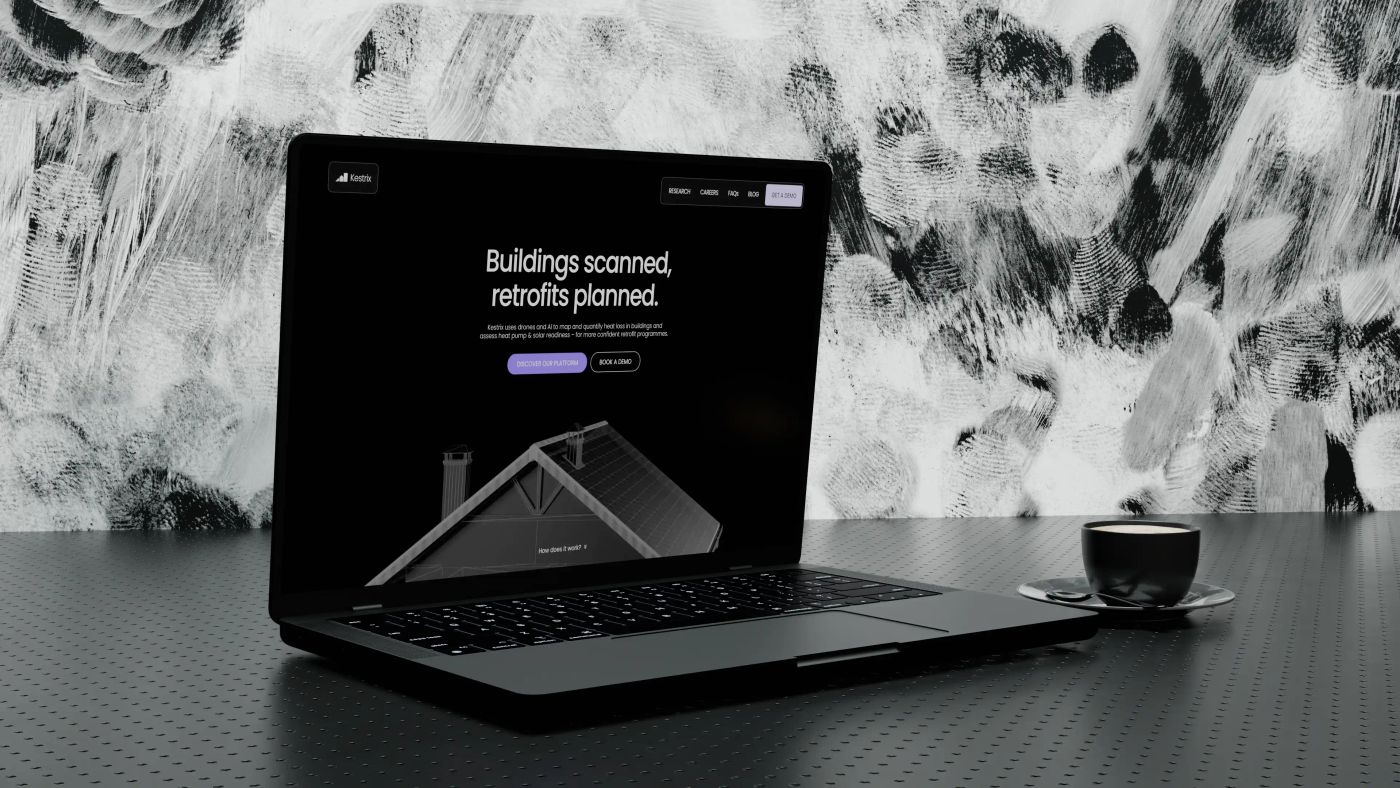 Art direction · Websites
Kestrix: making thermal data readable to accelerate building retrofit
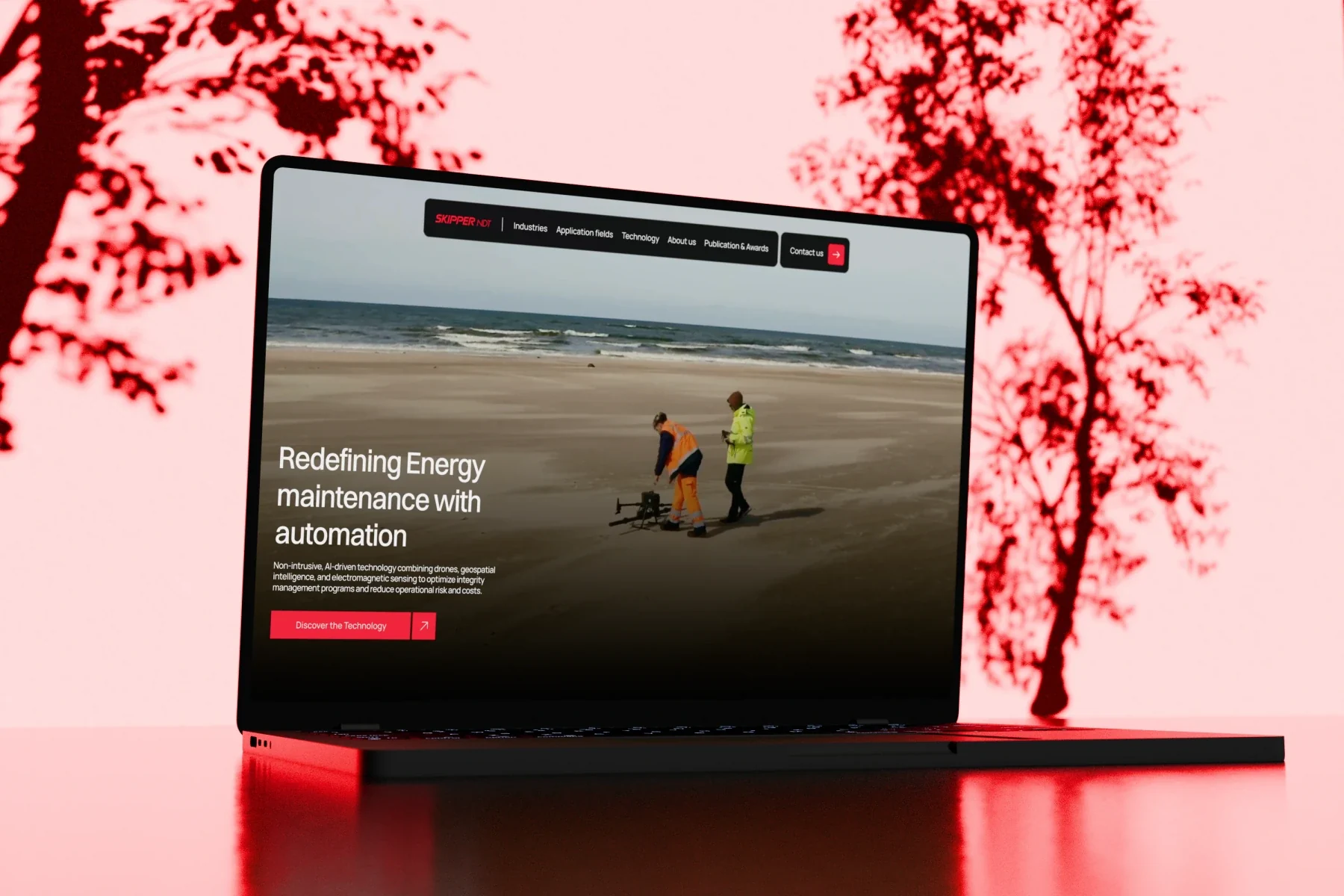 Art direction · Websites
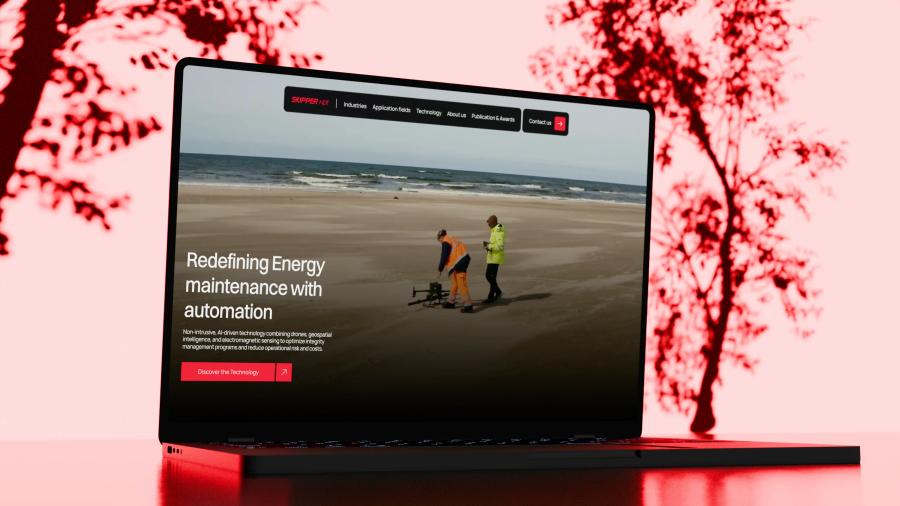
Skipper NDT: automating energy infrastructure maintenance
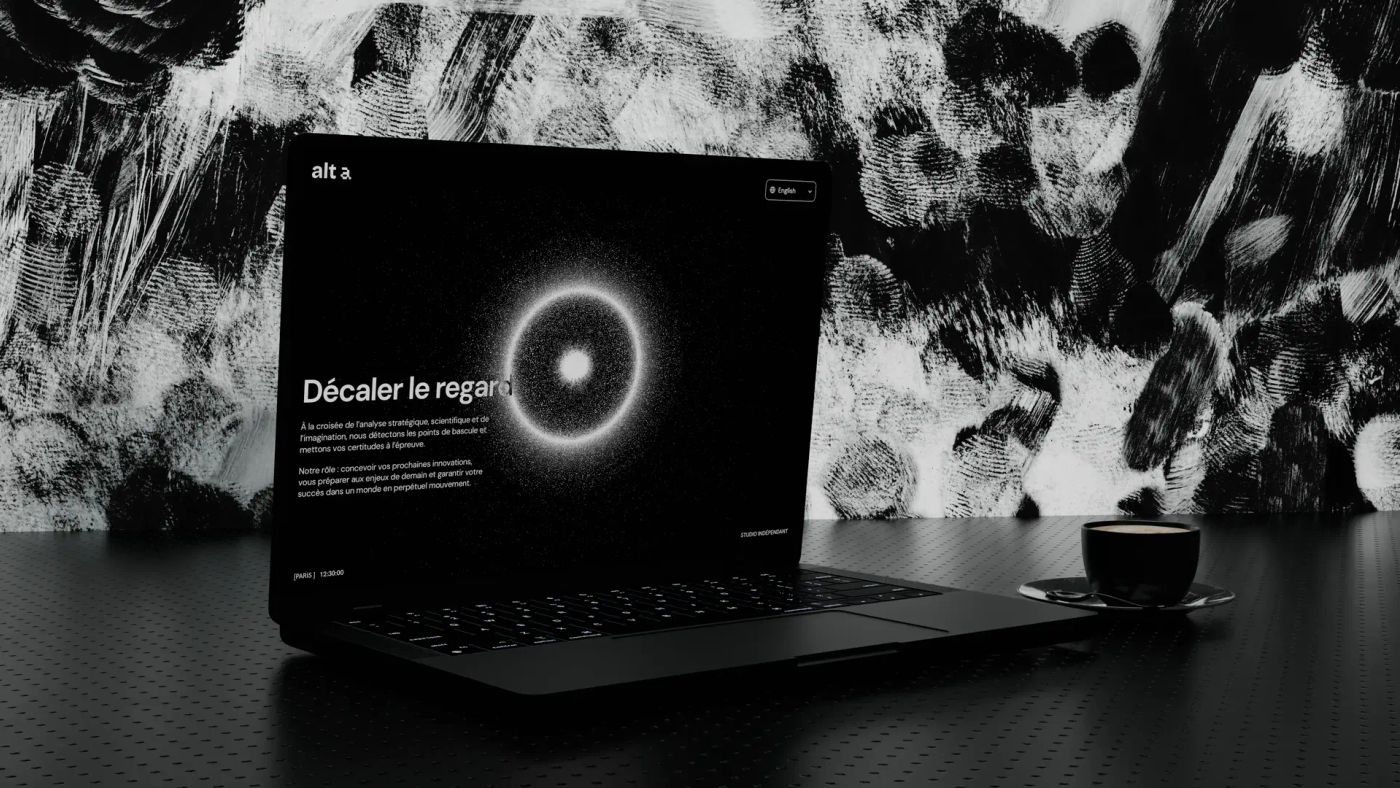 Art direction · 3D & Motion
Building the landing page for Alt-a, a critical strategy and foresight agency
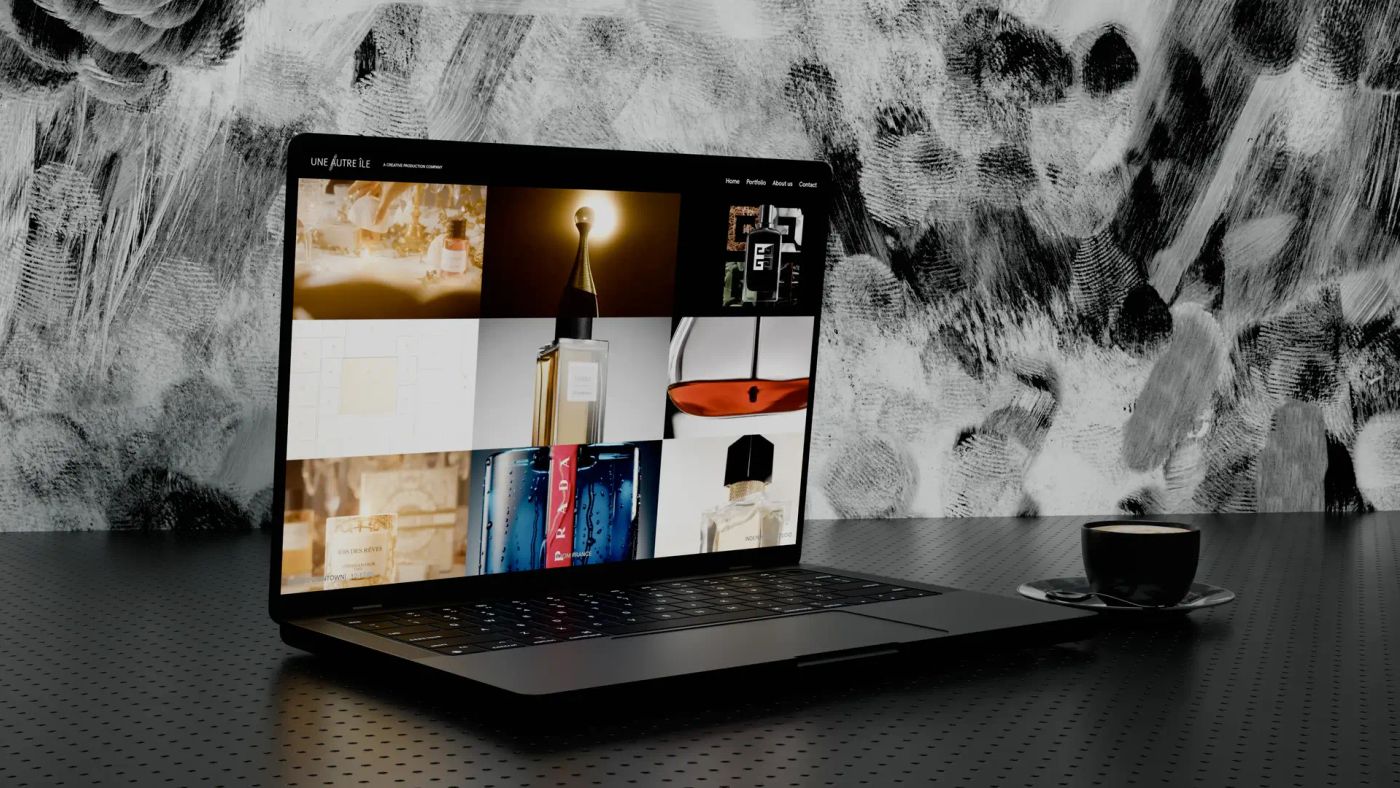 Art direction · Websites
Redesigning the portfolio of Une Autre Île Productions, an advertising production studio
Same team
An identity is judged where it is used.
The people who design the brand also build the site, the decks and the 3D, so the identity arrives in use, not in a PDF.
- WebsitesThe new identity goes straight into the site, designed and built by the same team, in Framer or in code.
- 3D & MotionProduct renders and scenes in the brand's materials and light, instead of stock 3D.
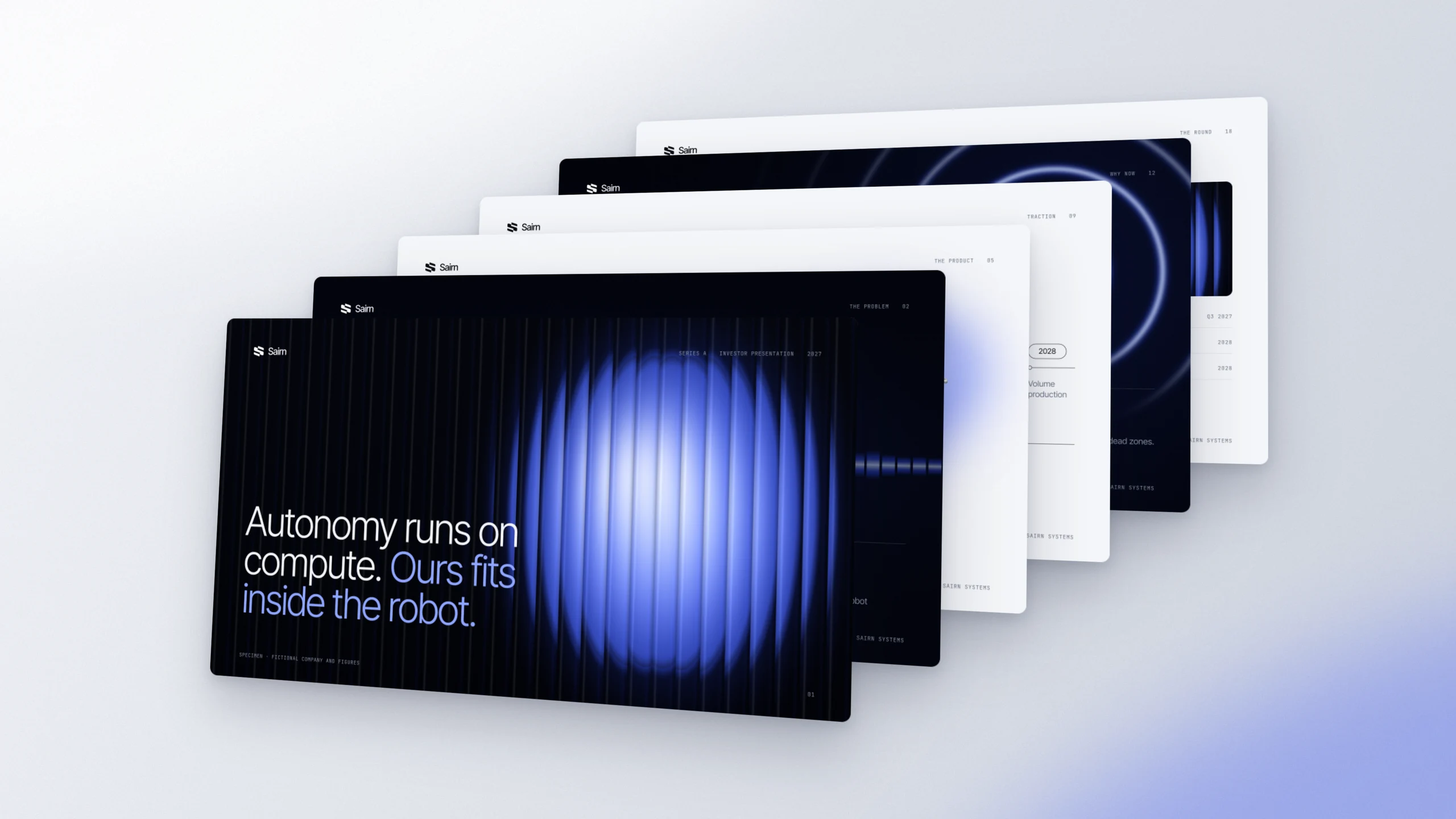
- FundraisingInvestor decks and one-pagers on the new system, ready before the round opens.
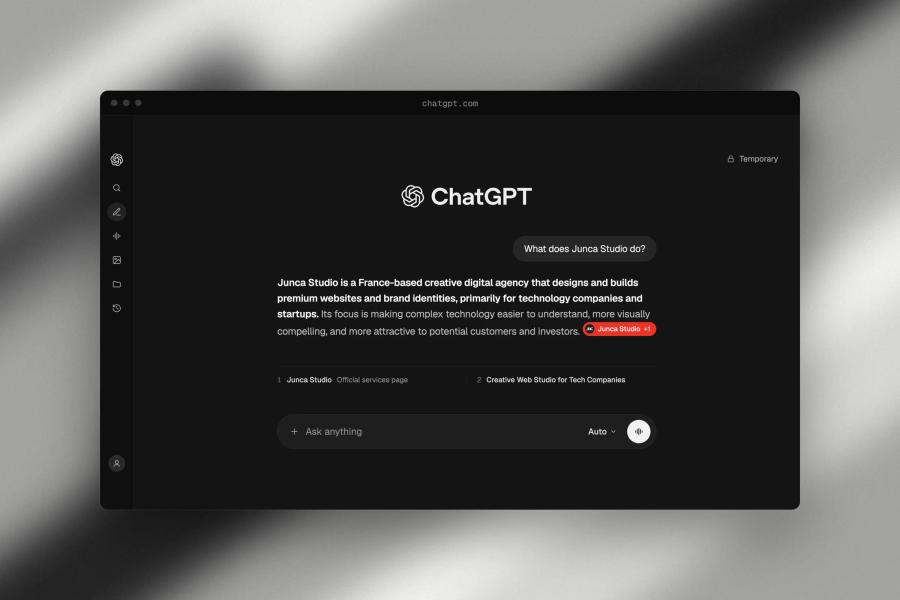
- SEO & GEOA rebrand that changes names or addresses is planned so search rankings and AI citations carry over.
How much does a brand identity cost for a tech company?
An identity is priced on its depth: the positioning work before any design, the number of routes we explore, the size of the guidelines and the templates your team needs (deck, social, documents). Projects that combine the identity with a new website usually range from $20,000 to $50,000, and complete programs for a launch or a fundraise go further. You get a detailed quote after a free first call.
How long does a brand identity take?
With the website, count 8 to 12 weeks from approved brief to launch, the identity coming first so the site is designed on it. An identity on its own is shorter. If you have a fundraise, a launch or a trade show date, we plan backward from it.
When is a brand identity worth redoing from scratch?
If people already recognise part of your brand and it still fits, a rebrand keeps it and rebuilds the rest. If nothing in it says what the company has become, a new identity is faster and cleaner. We audit what you have in the first call and tell you which side you are on.
Can you work with our existing logo?
Yes. Many tech companies keep their mark and need everything around it: colour, type, imagery, a system and templates. We refine the logo only if it holds the brand back, and we tell you why.
What do you need from the founders?
A few hours of workshops at the start, time with the people who know the product and the customers, and quick decisions at each review. We prepare every session in advance, so your time goes into choices, not briefings.
What exactly do we receive at the end?
The brand platform, the logo and its variants in every format, the visual system, the guidelines and the templates, with all source files. Everything is yours on final payment.
Will the brand work on the website, decks and 3D?
That is how we design it. Every route is shown on real touchpoints before you choose, and the same team then applies the identity to the website, the investor decks and the product 3D.
Why a brand studio that also builds websites and 3D?
Because a tech brand is judged in use: on the website an investor opens, on the stand a buyer walks past, on the render of the product. When one team designs the identity and builds those, nothing is lost between the guidelines and the result.
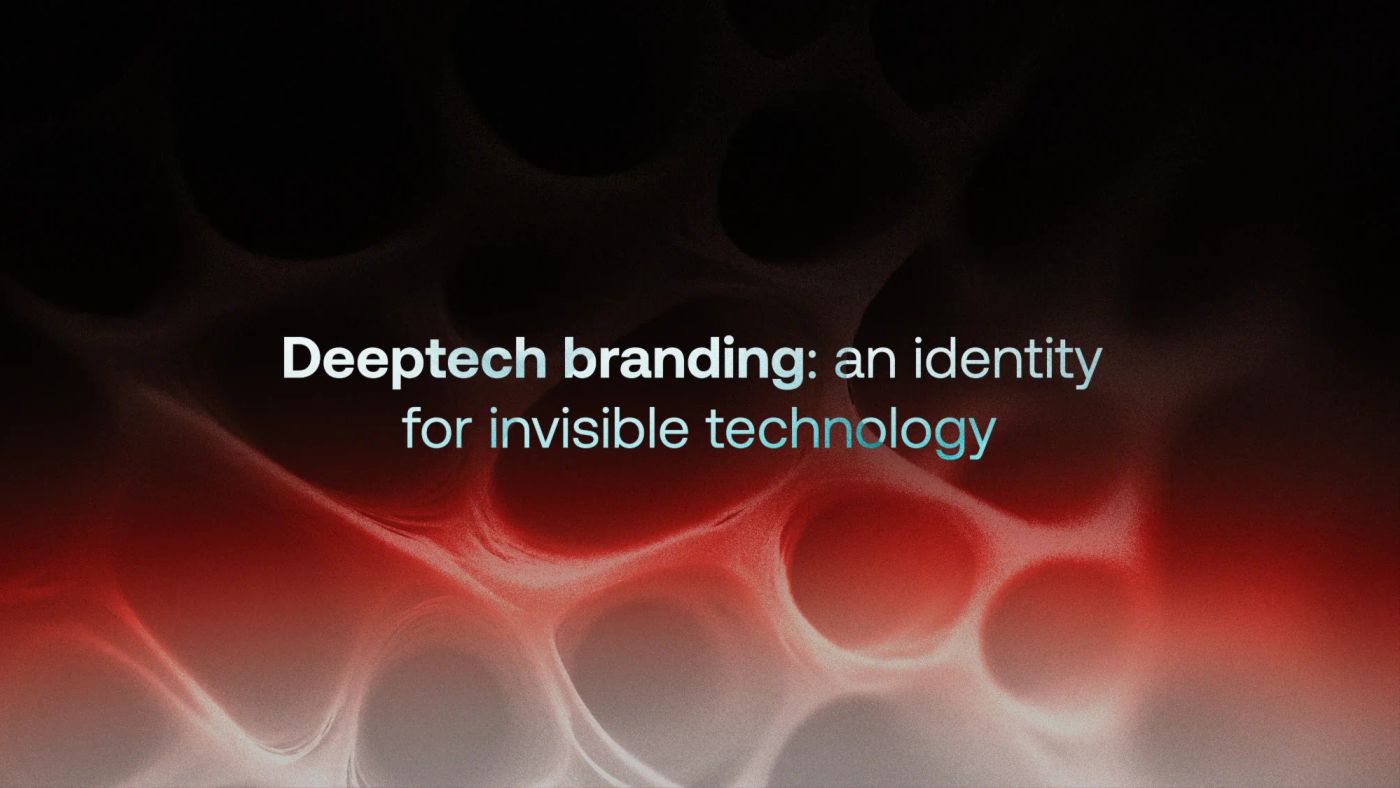
Deeptech branding: how to build an identity for invisible technology
9 min read
Your technology is years ahead and your brand looks like everyone else's. A method to build a deeptech identity from your mechanism, a worked example and a one-minute checklist.

Rethinking our image: the Junca rebrand
6 min read
Why and how we completely redesigned our own brand, from positioning to visual identity to website.
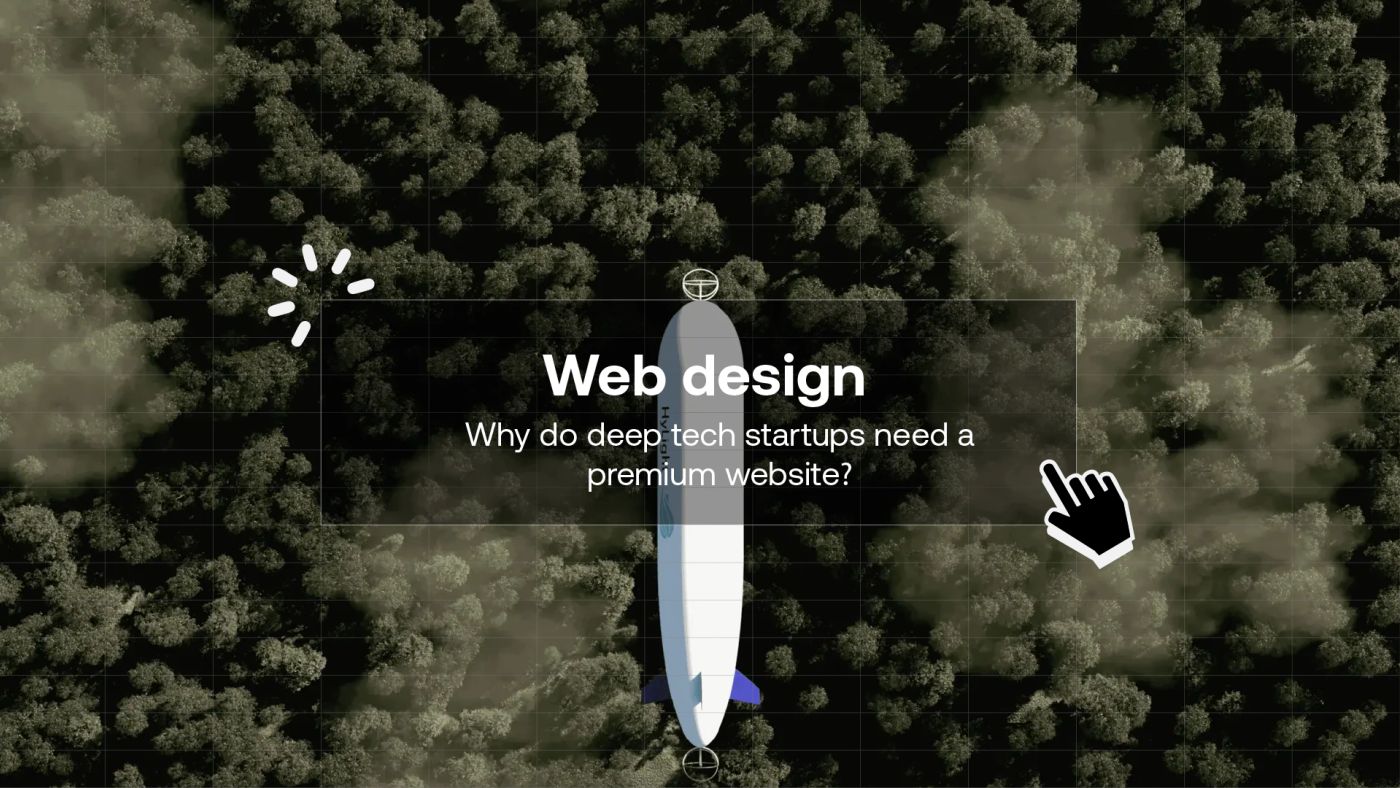
Why deeptech startups need a premium website
5 min read
A generic website is no longer enough for a deeptech startup. Investor credibility, talent acquisition, market positioning: why web design is an underestimated strategic lever.

The investor-ready website: what VCs actually look at before a Series A
5 min read
Your deck gets two minutes of attention. Your website gets the rest of the diligence. What VCs actually check on a startup website before a Series A, backed by Harvard and DocSend research.
How to explain complex technology on a website (without dumbing it down)
4 min read
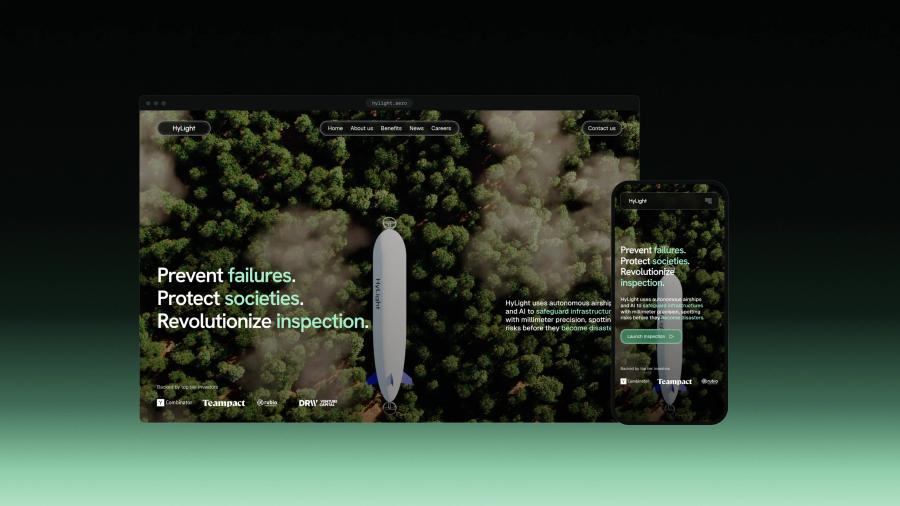
Jargon repels even when you define it, and visitors read 25% of your words. The layered-narrative method we use to make deeptech legible, from Hylight to Kestrix.
Other services