



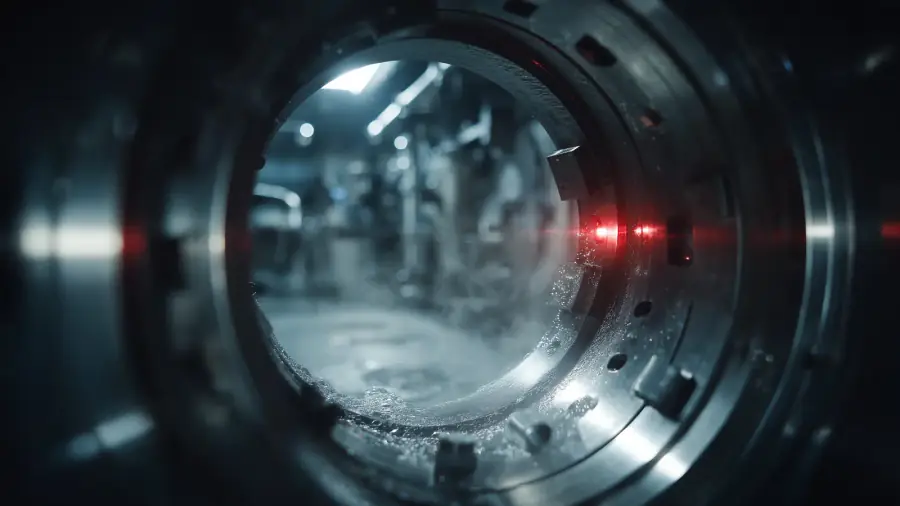
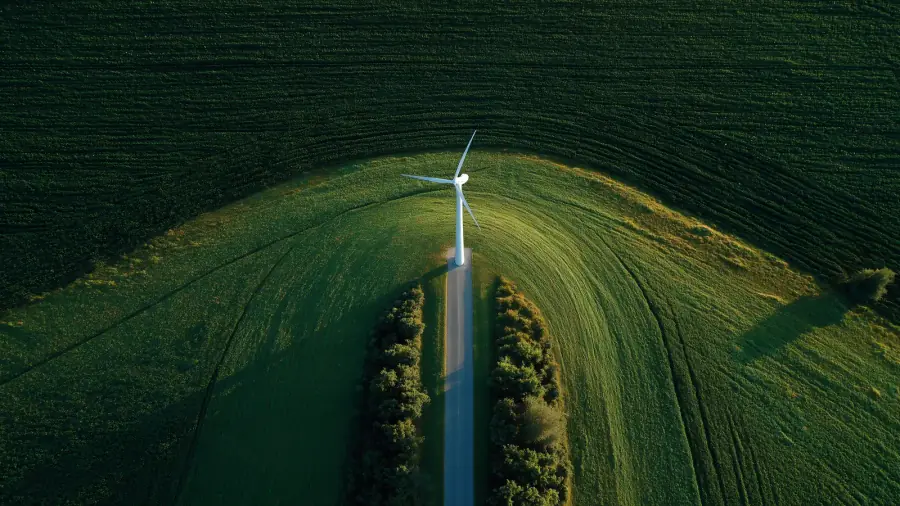
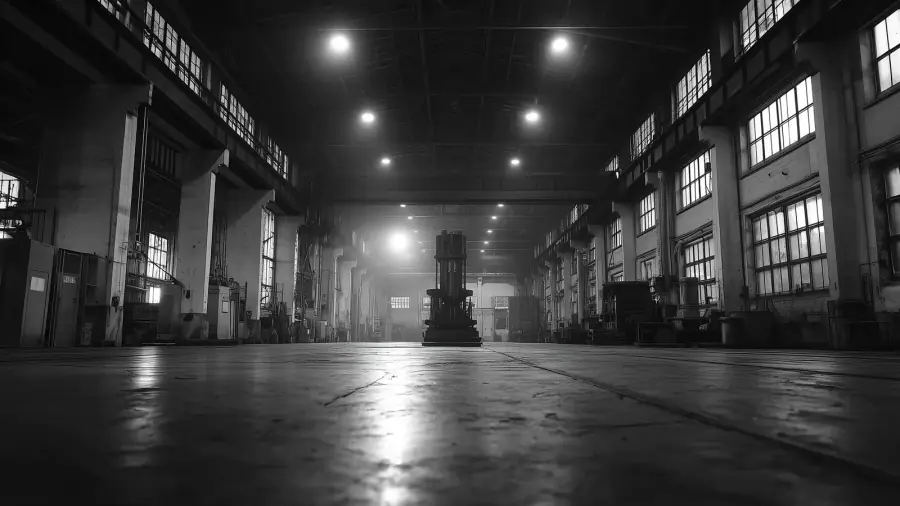
Your product sits in a housing, flies above the clouds or works at the scale of a city. We model it and show how it works.
A 3D studio for hardware and technology a camera cannot show

What it is
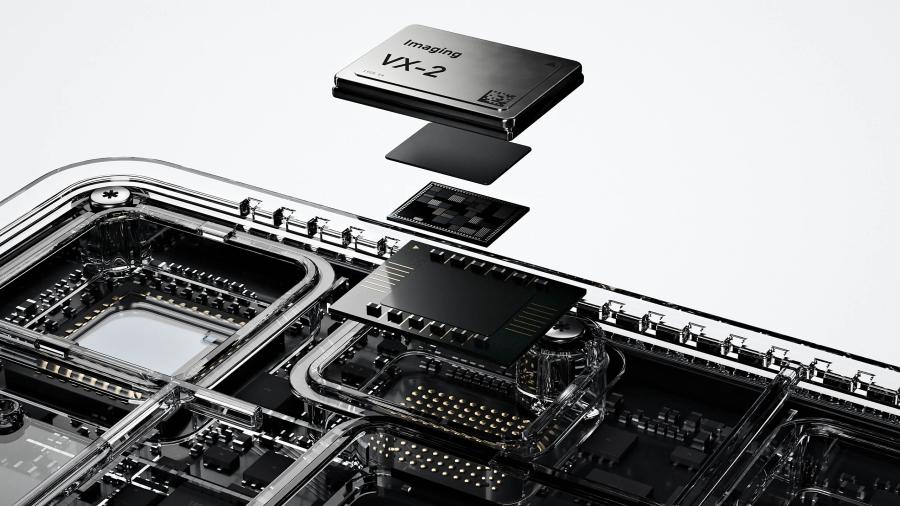
3D for a tech company is the work of turning CAD files, drawings and engineering knowledge into scenes that show what a camera can't: the inside of a device, a process in motion, a product that isn't built yet.
Junca models in Blender, then delivers the same model as a real-time scene for the website, as renders for decks and trade shows, or as a film. The people who model it also design the pages and the identity around it.
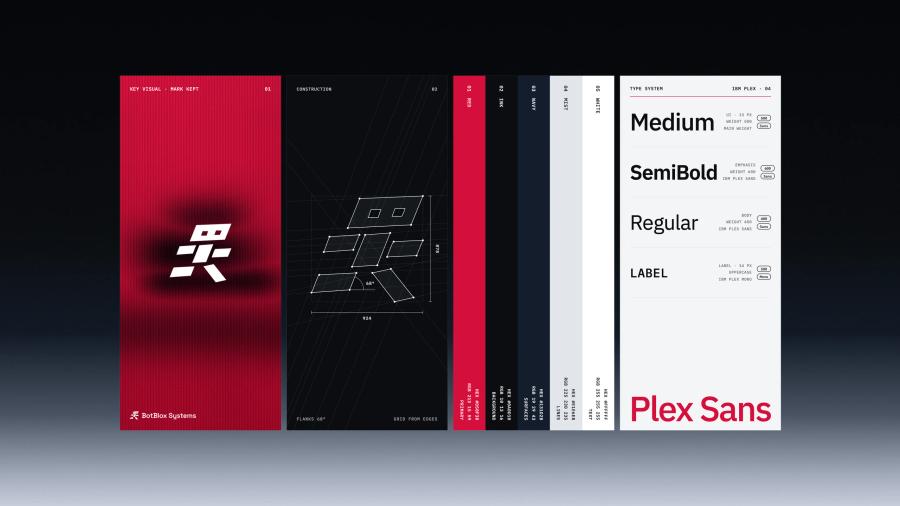
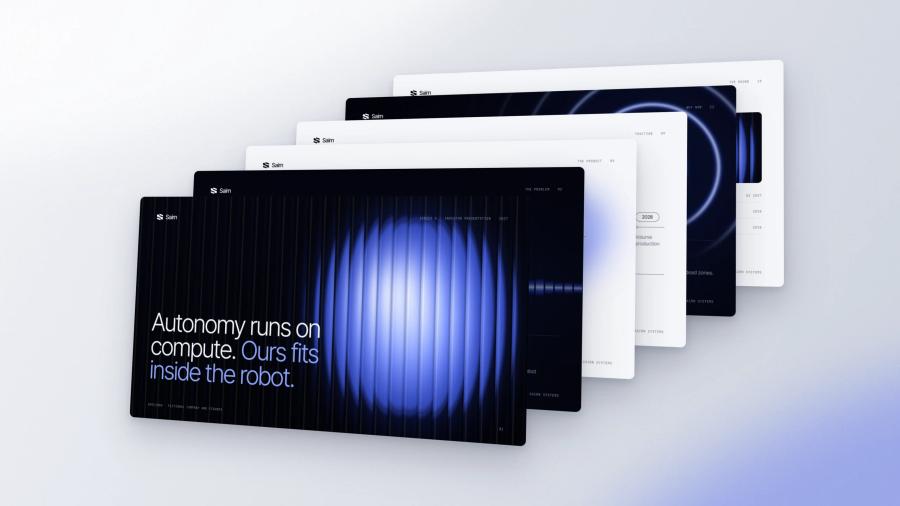
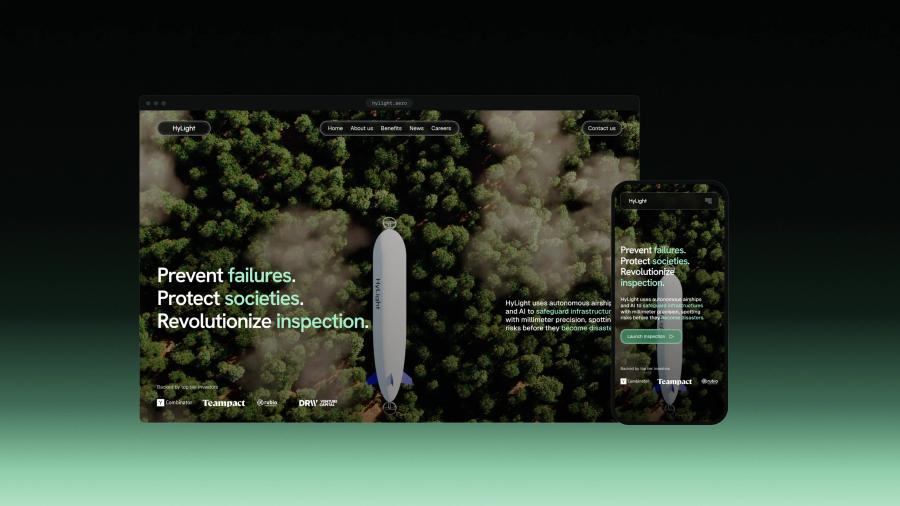
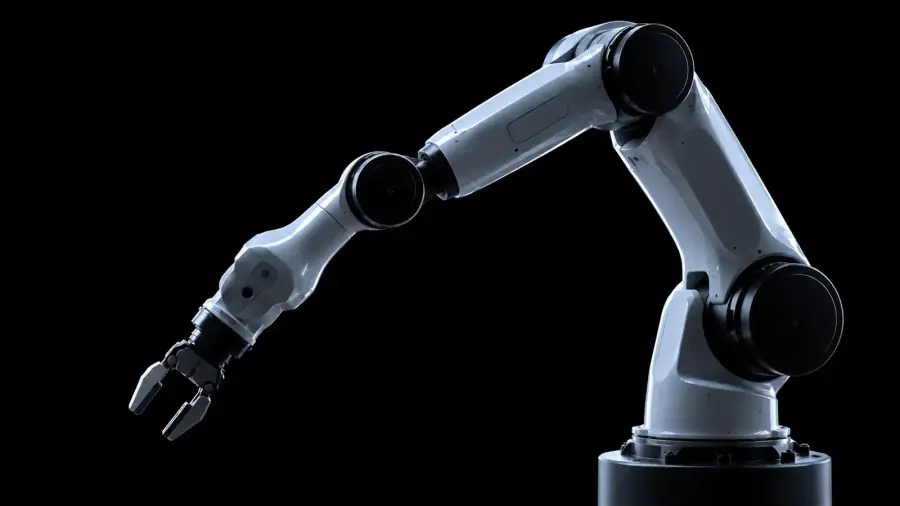
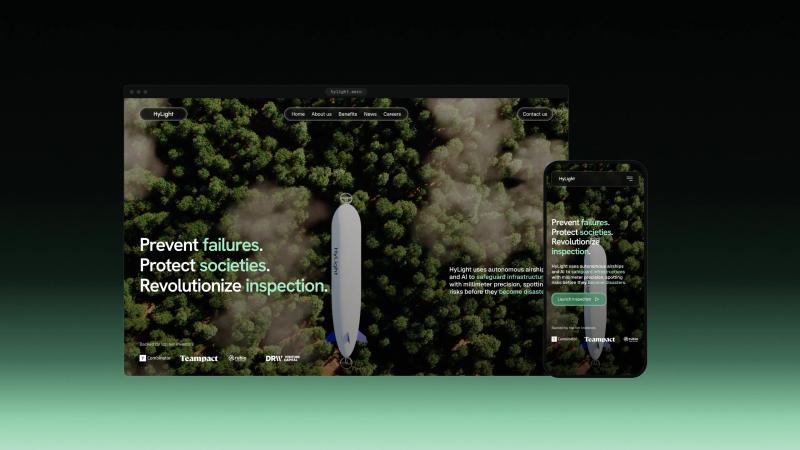
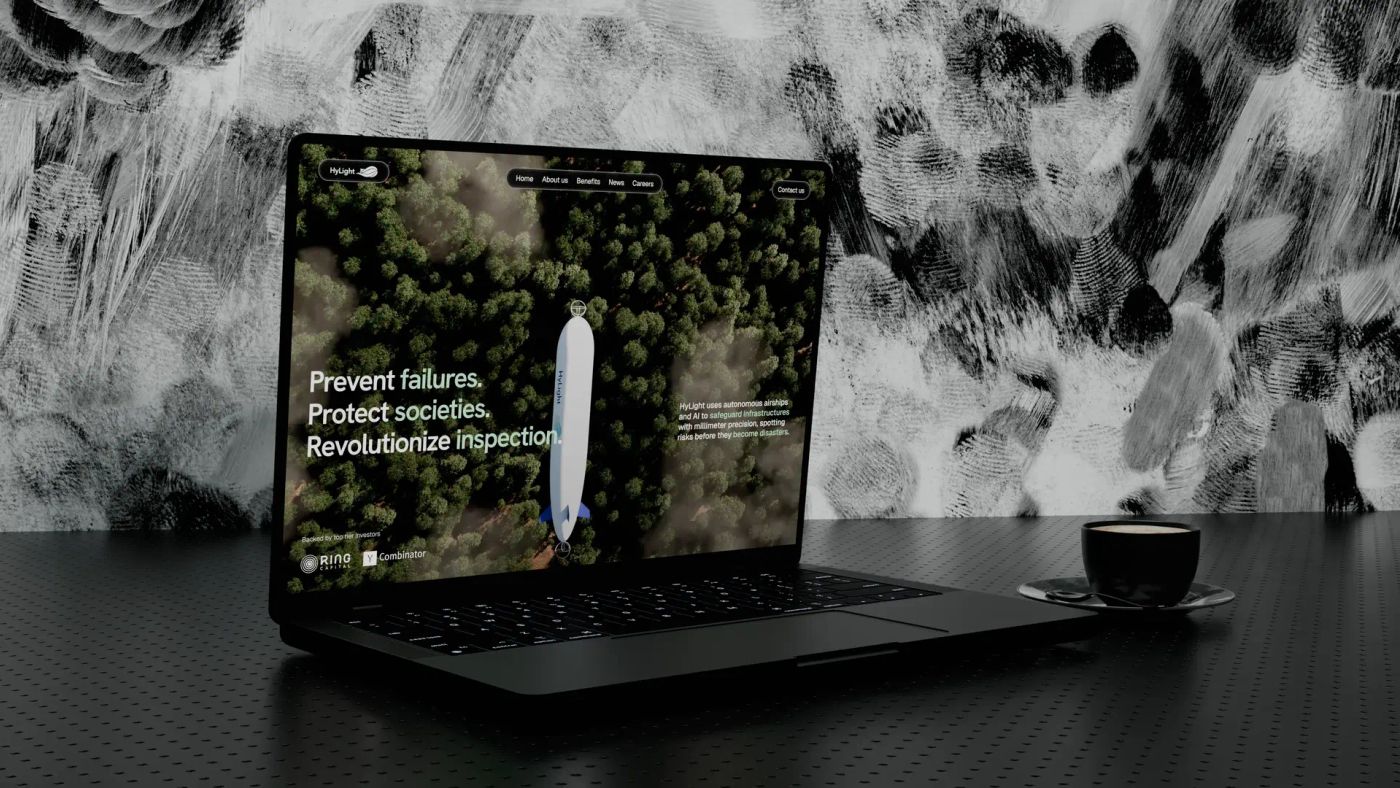
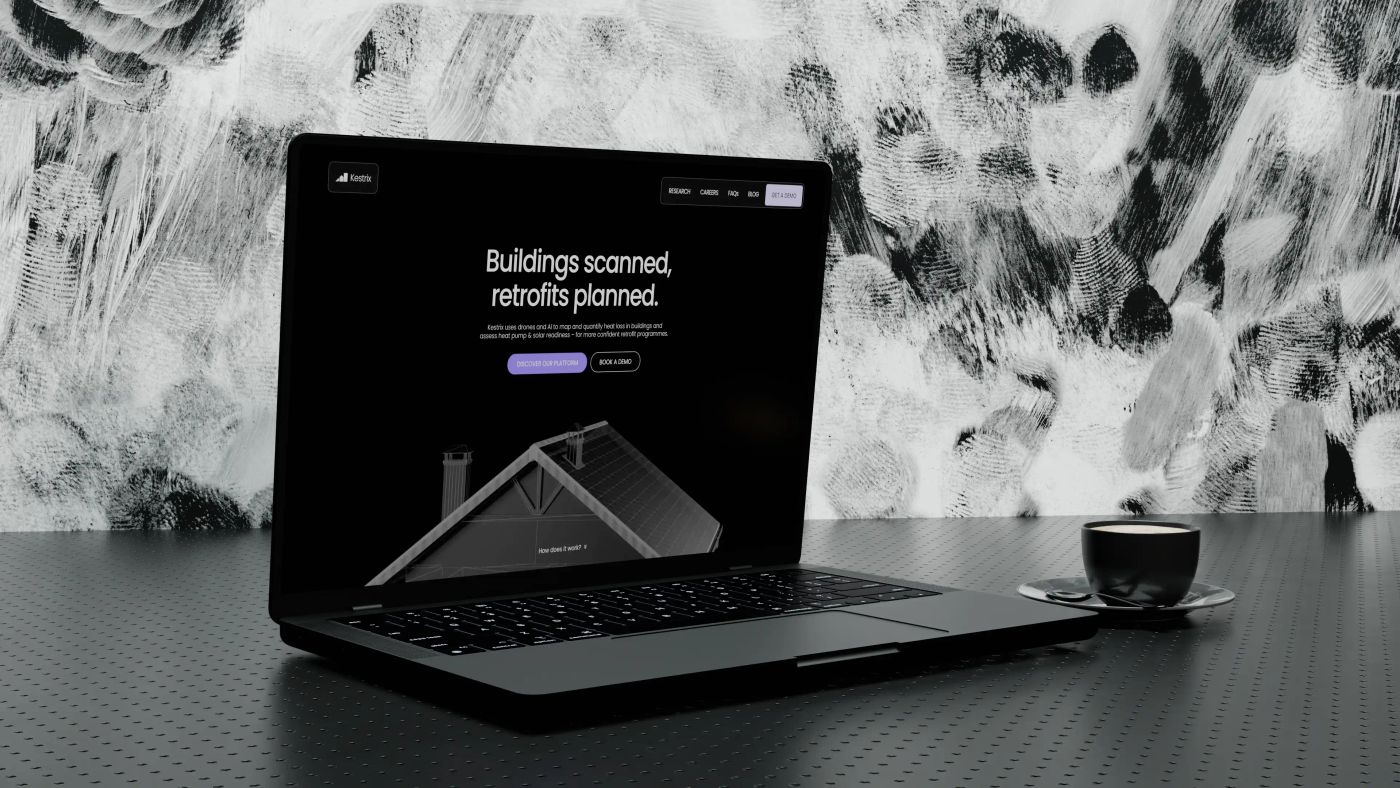
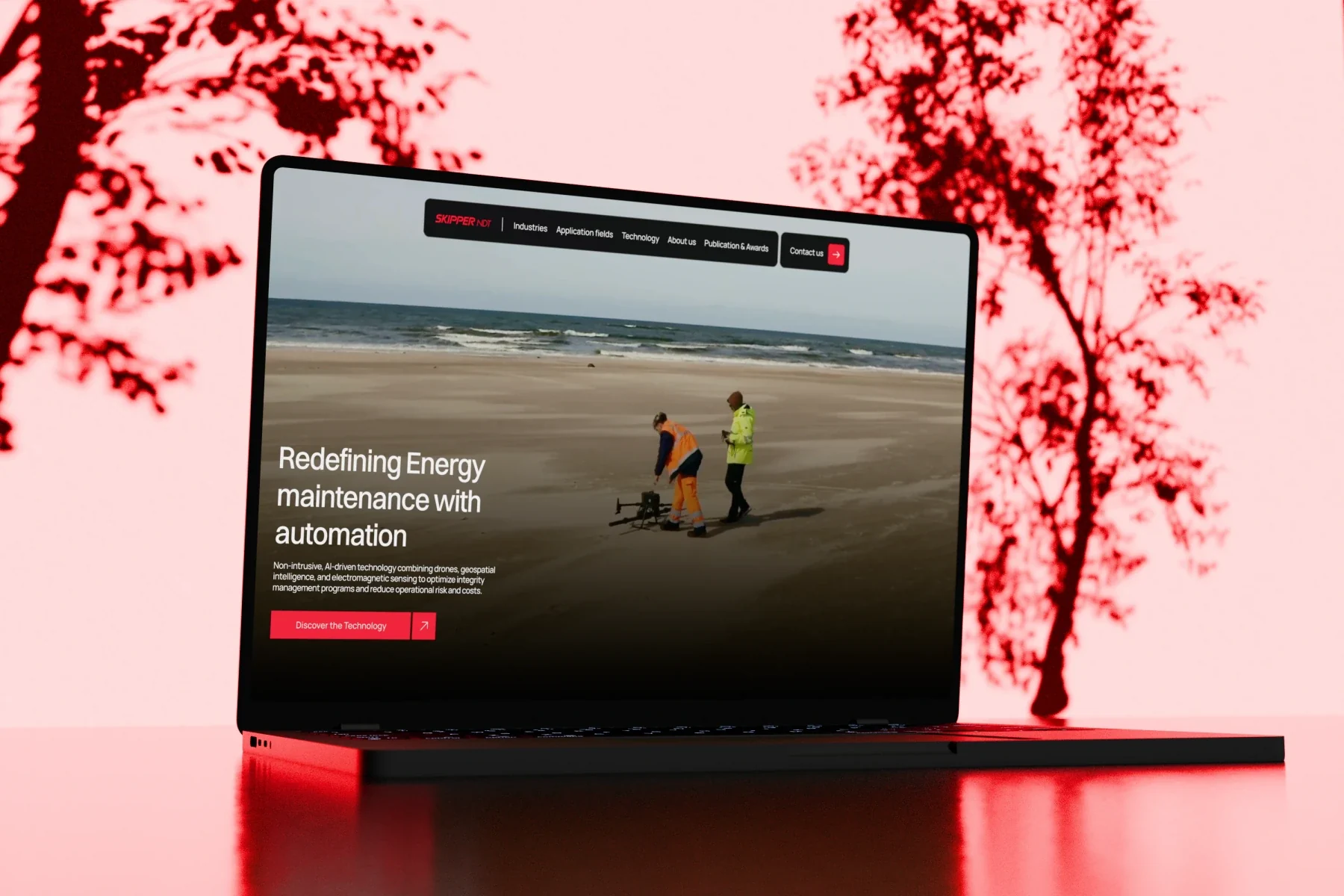
We built 3D this way for BotBlox, Hylight, Kestrix and Skipper NDT, and our own homepage runs a real-time 3D robot. One model, several uses: that is what keeps 3D affordable for a startup and consistent everywhere a buyer meets the product.
3D & Motion services
One model, three ways to show it.
Most products need two of them: a scene for the website and renders for sales. We build the model once and reuse it everywhere.
 3D websitesReal-time 3D that shows the part of your product a camera misses, and still loads fast on a phone.View service
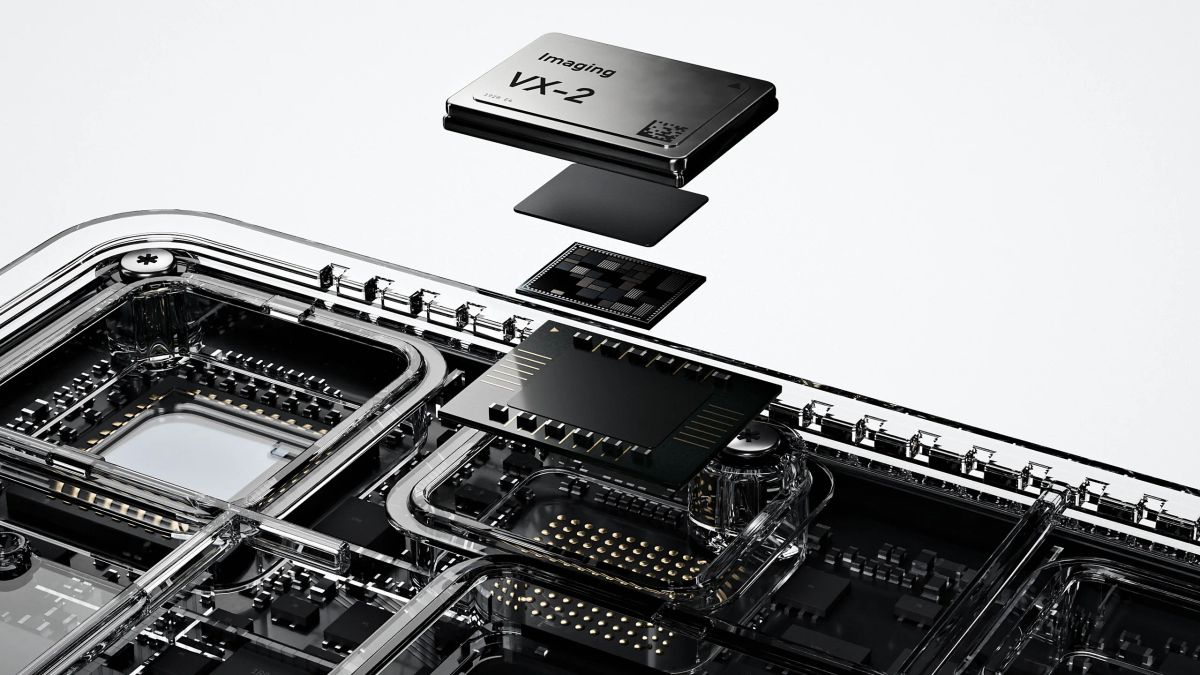 3D product visualizationFrom CAD to renders, exploded views and interactive viewers, for the site, the deck and the trade show stand.View service
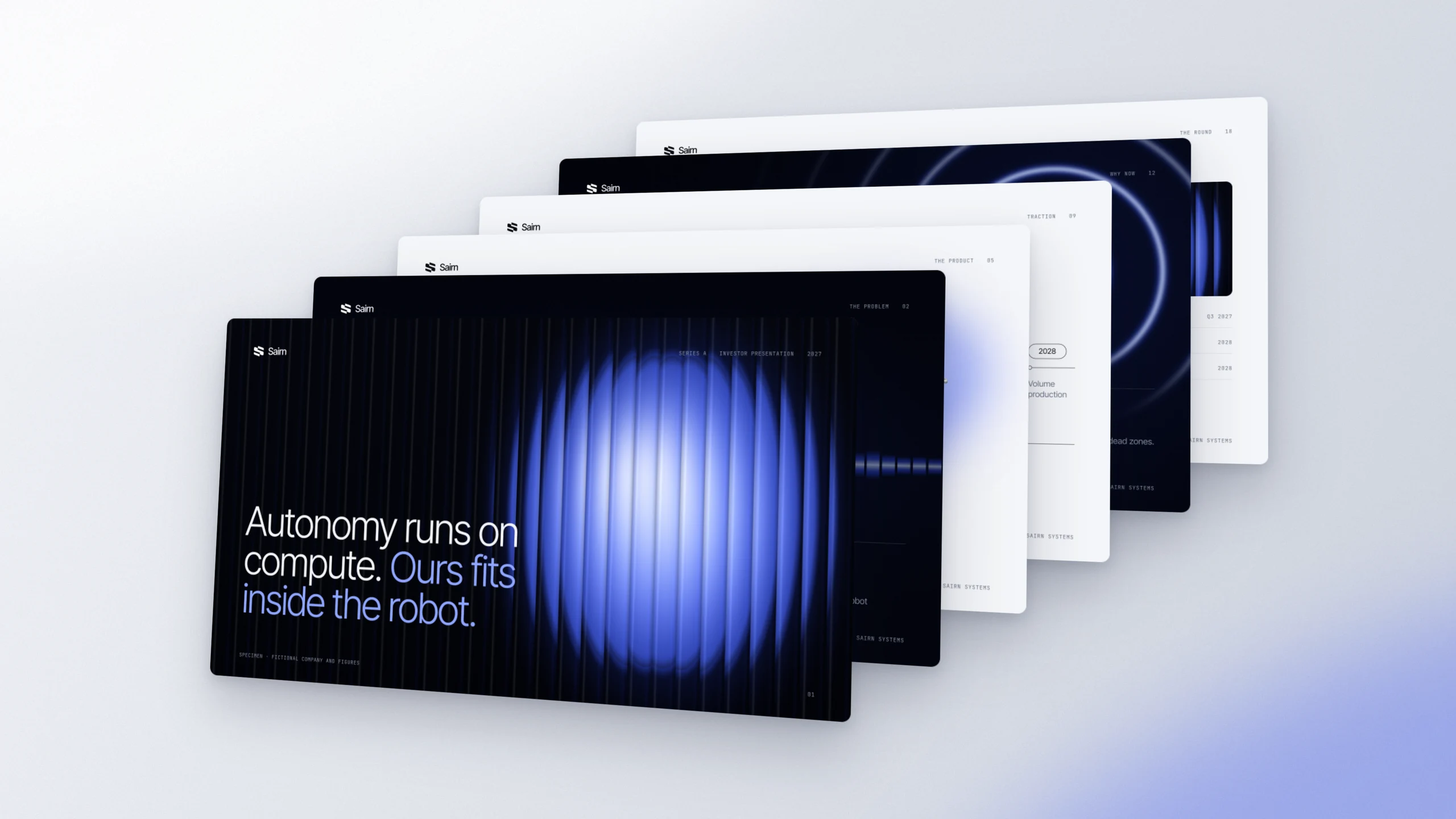
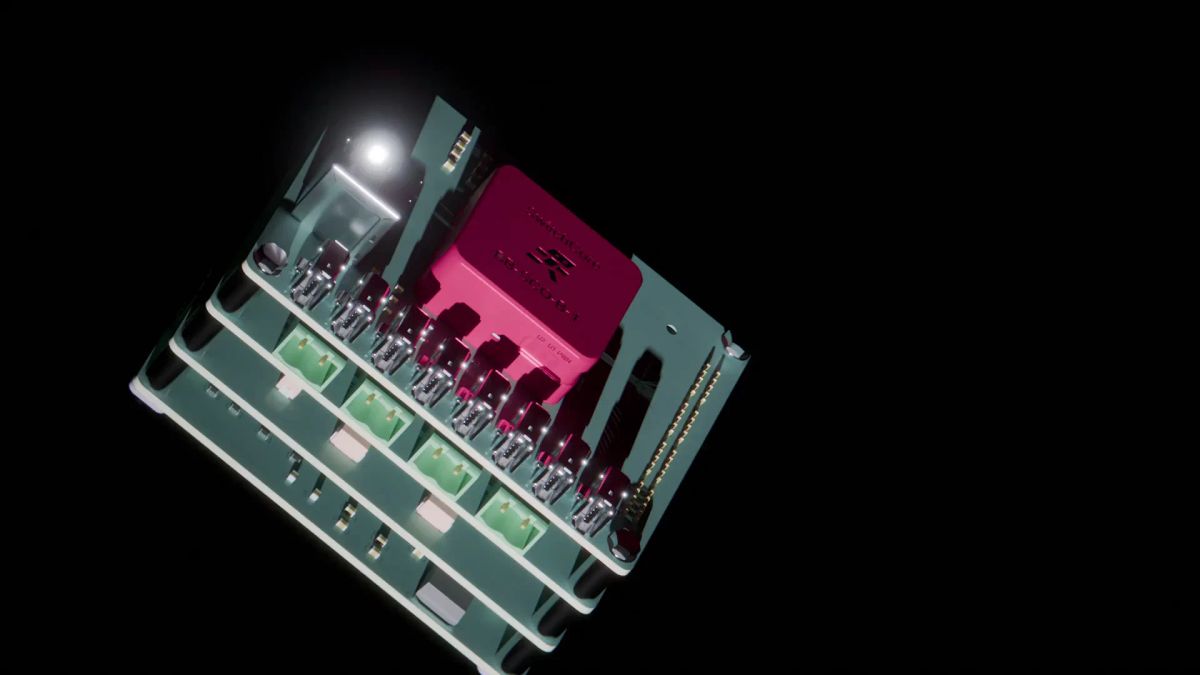 Product filmsRendered films for launches, investor decks and trade shows, made from the same model.View service
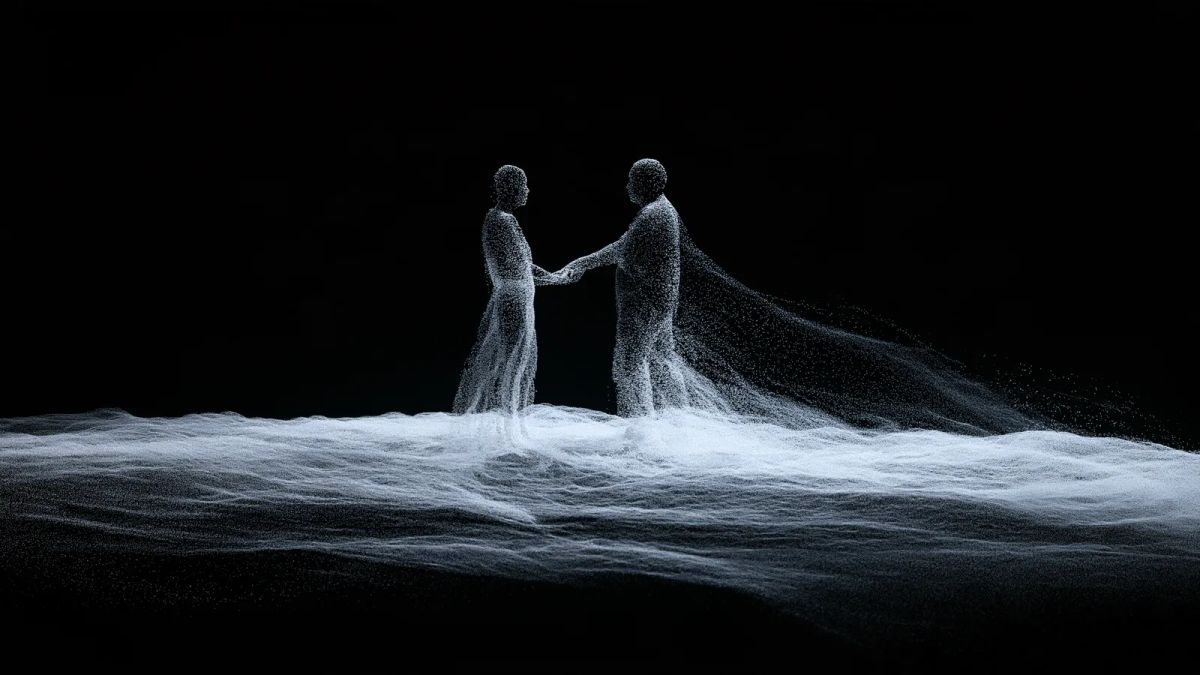 Not sure which one?Tell us what the product does and where it should be seen. We answer with the 3D you need, and the 3D you can skip.Ask us
Where to start
A live scene, renders or a film?
Three questions. The answer comes with the services you can skip.
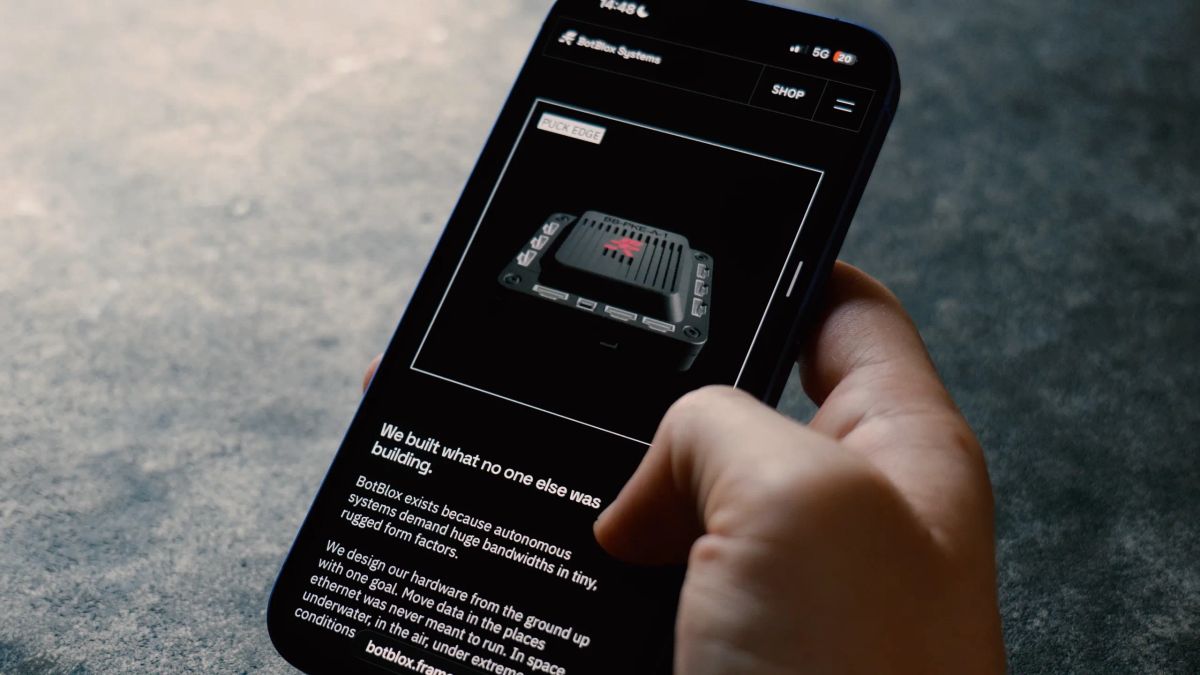
Often paired with
Selected work
Products we modeled, rendered and brought to the browser
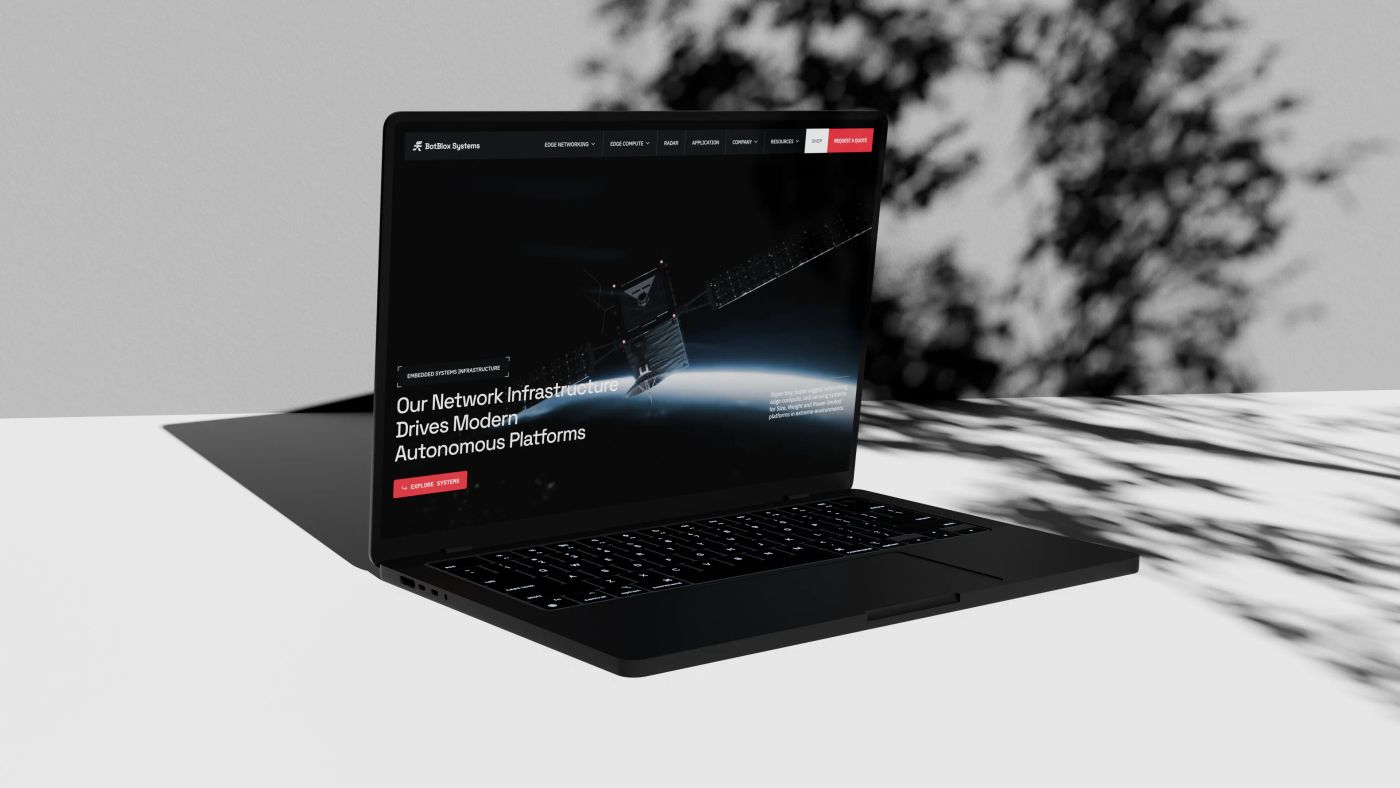 3D websites · Product films
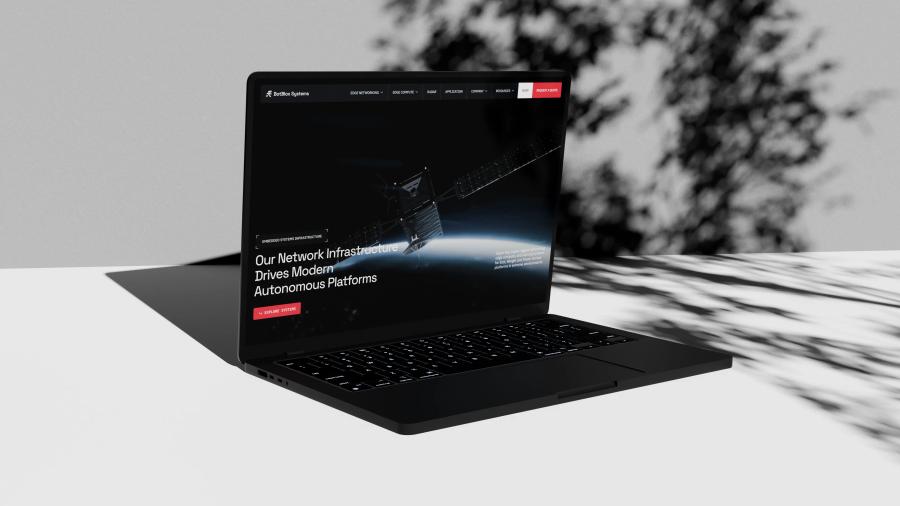
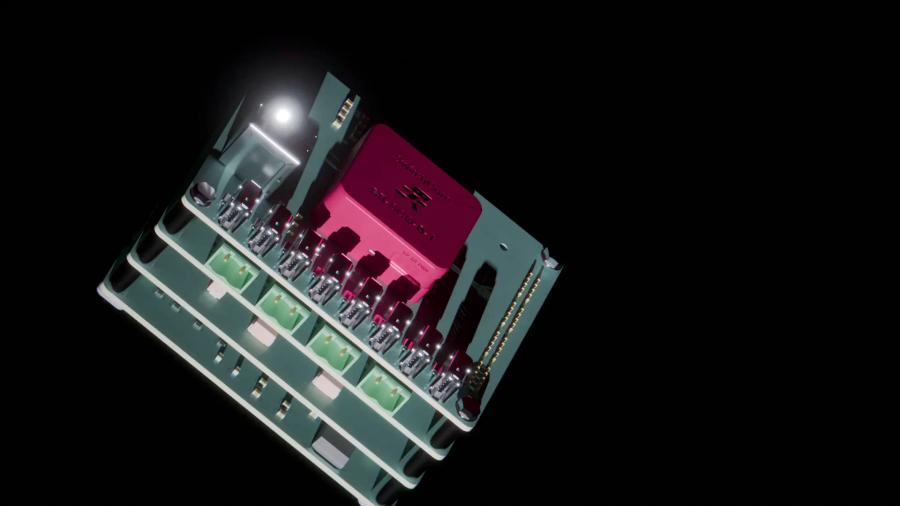
BotBlox: moving data where ethernet was never meant to run
 3D websites · Product films
Hylight: an aerial inspection technology driven by design.
 3D websites · 3D product visualization
Kestrix: making thermal data readable to accelerate building retrofit
 3D product visualization
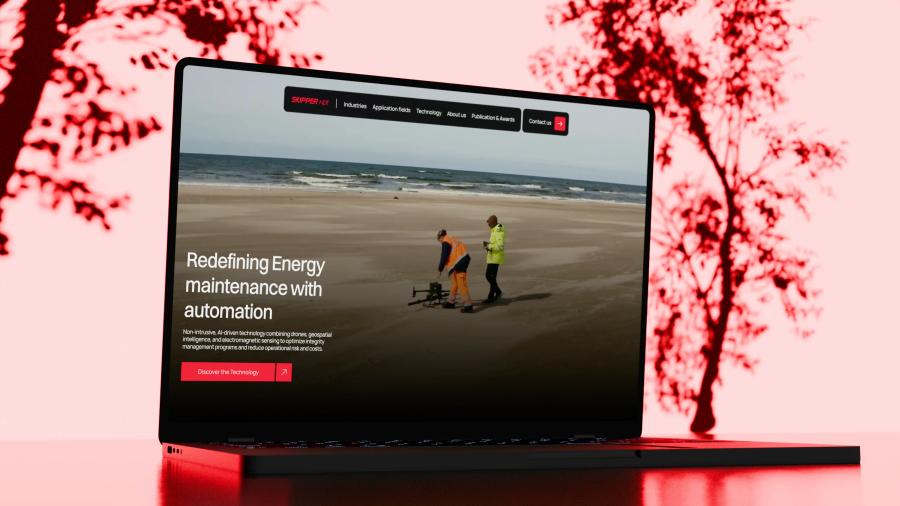
Skipper NDT: automating energy infrastructure maintenance
 3D websites
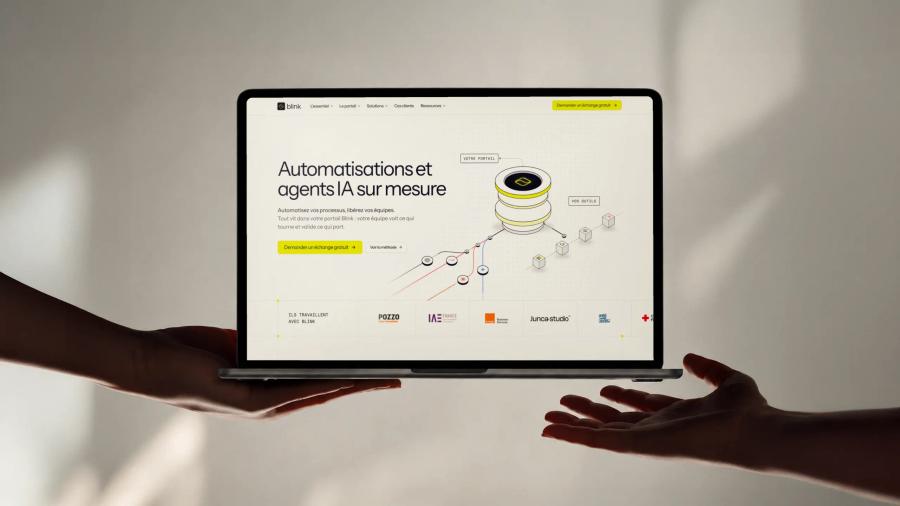
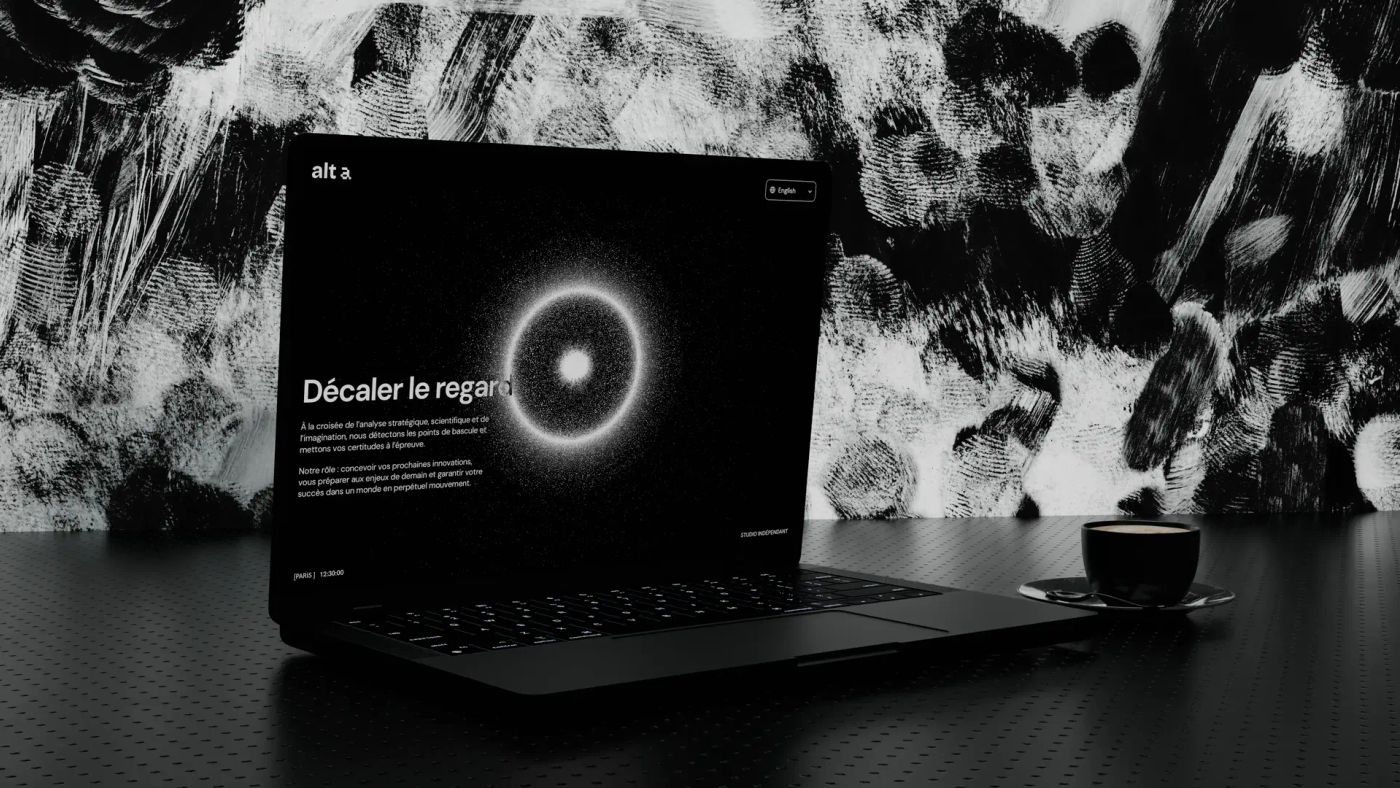
Building the landing page for Alt-a, a critical strategy and foresight agency
Same team
A scene is only as good as the page around it.
The model, the page and the brand come from the same team, so the 3D explains the product instead of decorating it.
- WebsitesThe scene is designed with the page around it, so it answers a question instead of spinning on its own.
- Brand identityMaterials, light and colour follow the identity, so the renders look like your brand, not like a stock library.
- FundraisingThe same model gives investors renders and exploded views for the deck, before the product ships.
- SEO & GEOHeavy 3D still has to load fast and stay readable by search engines: we plan both from the first scene.
How much does 3D cost for a tech product?
3D is priced per model and per scene: how many products we build, whether we start from your CAD or from drawings, and whether each scene is rendered or interactive. A website built around custom 3D usually ranges from $20,000 to $50,000; renders and films are quoted per scene once we have seen your files. Reusing one model across the site, the deck and the stand is what keeps the total down.
Which 3D do we need: a web scene, renders or a film?
Start from what people must do. If they need to turn, open or explore the product, a real-time scene on the website. If they need to see it in a deck, a datasheet or on a stand, high-definition renders and exploded views. If they need to follow a story or a process, a rendered film. Many projects use the same model for two of them.
Can one 3D model serve the website, the deck and the trade show?
Yes, and that is how we plan it. We build one clean model, then export a light version for the browser, high-definition renders for print and decks, and animated shots for films. Materials, light and colour follow your identity, so every output looks like the same product.
Can you model a product that is not built yet?
Yes. We model from CAD, drawings or engineering sketches, and show only what you approve: an exploded view can stop at the housing, a render can leave out a patented part. For a product still in development, renders are labelled as concepts until the design is frozen.
What do we need to send before a 3D project starts?
CAD files if you have them, STEP being the easiest, otherwise drawings and photos, plus time with an engineer who knows the product. We prepare the questions in advance, so your team's time goes into what the scene must explain.
How long does a 3D project take?
A website with custom 3D scenes takes 8 to 12 weeks from approved brief to launch, with modeling running alongside page design. Renders and films are planned scene by scene: in the first call, we give you a date and plan backward from your launch, trade show or fundraise.
Do we get the Blender files?
If you want them, yes. We hand over the source files on request at the end of the project, along with the exported versions for the web and for print.
Why a 3D studio that also designs websites and brands?
Because 3D made far from the page tends to decorate instead of explain. At Junca, the people who model the product also design the page and the identity around it, so every scene answers a question a buyer, an investor or an engineer is asking, in your brand's colours and light.
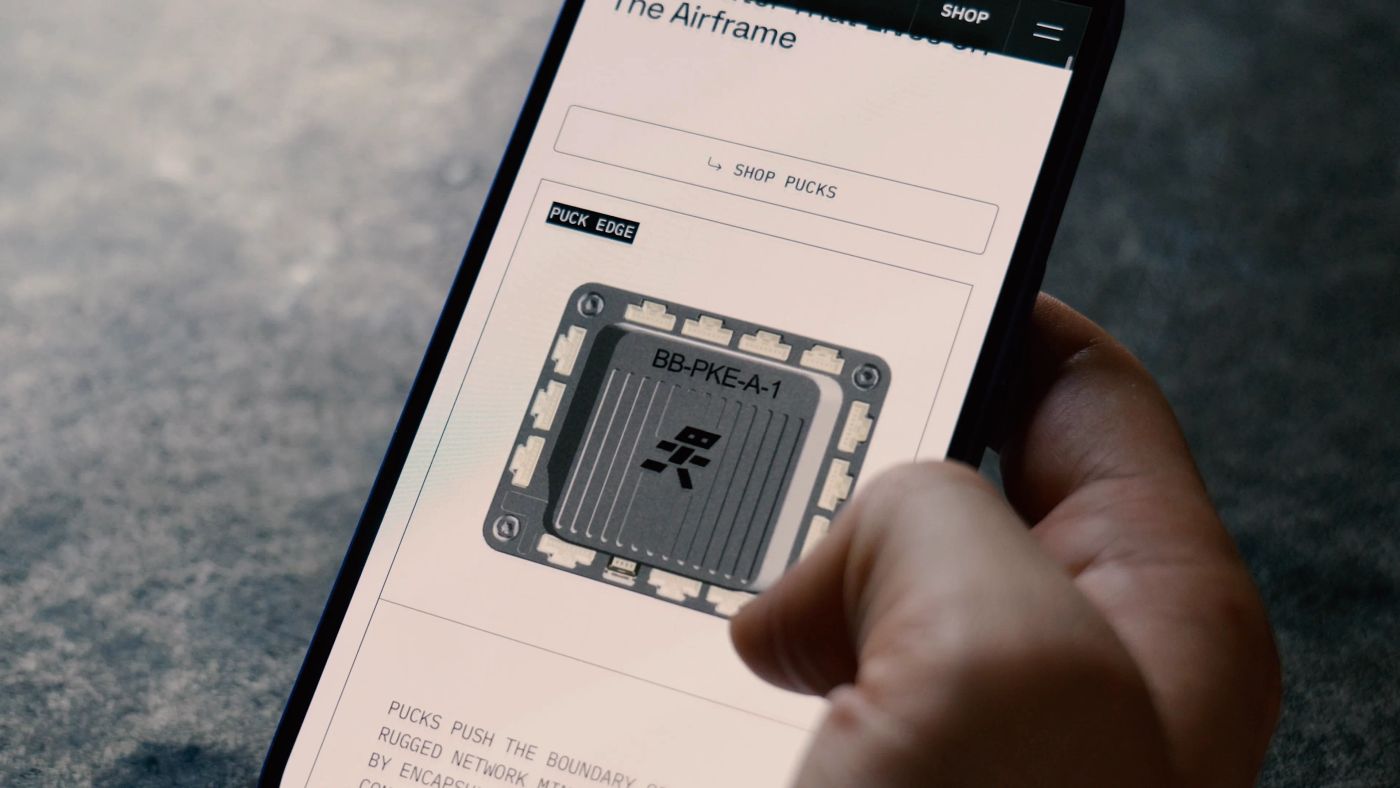
How to show a hardware product on your website when photos fall short
7 min read
A photo shows the outside of your hardware. Buyers need the inside, the motion and the proof: five visuals that show them, one honesty rule for renders, and a realistic CAD-to-web timeline.

Why Blender is at the heart of our creative studio
5 min read
How we use Blender (Geometry Nodes, 3D rendering, scroll animations) to create immersive visuals that make complex technologies tangible.
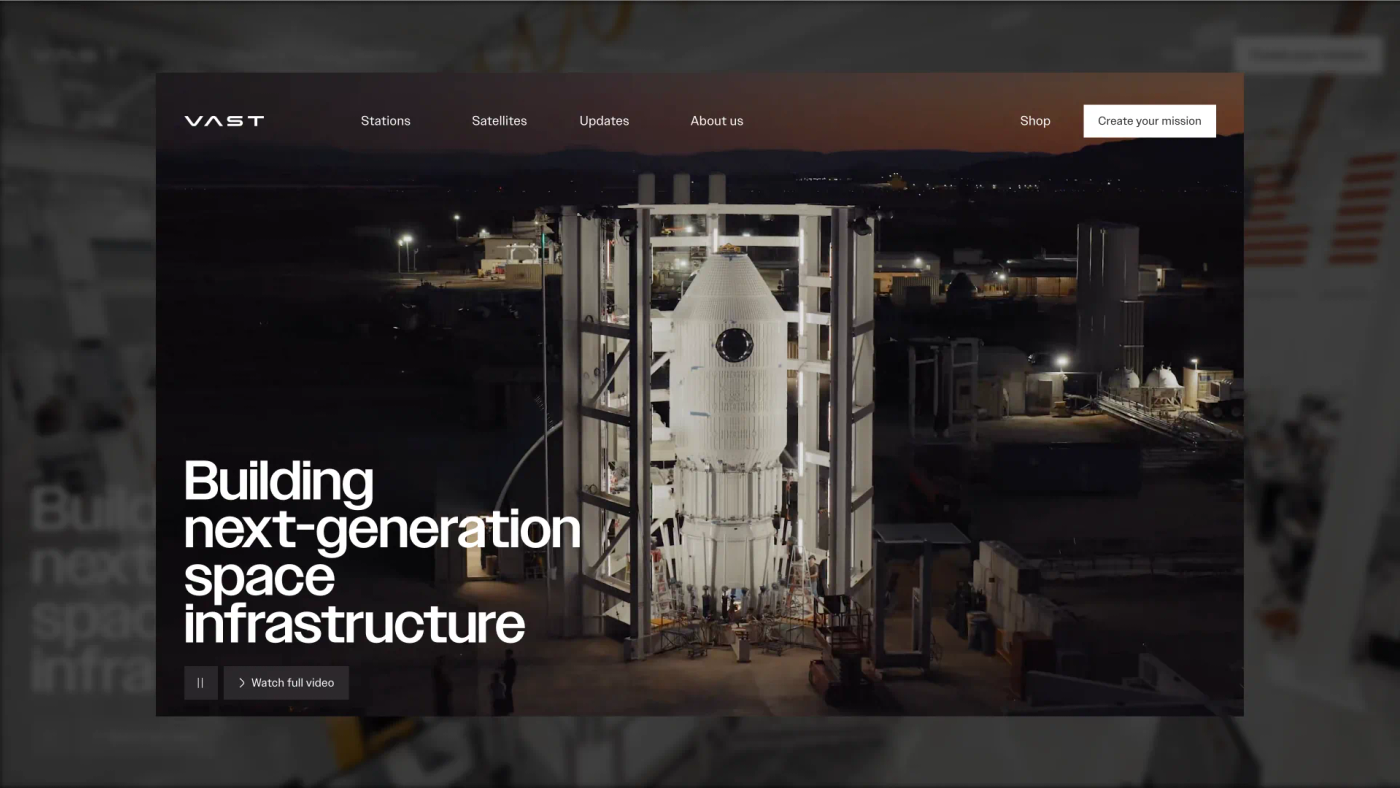
The 12 best deeptech websites in 2026, and why they work
9 min read
Twelve deeptech sites that won Awwwards Site of the Day, from Vast to Breakthrough Energy, and the four design moves that put them there.
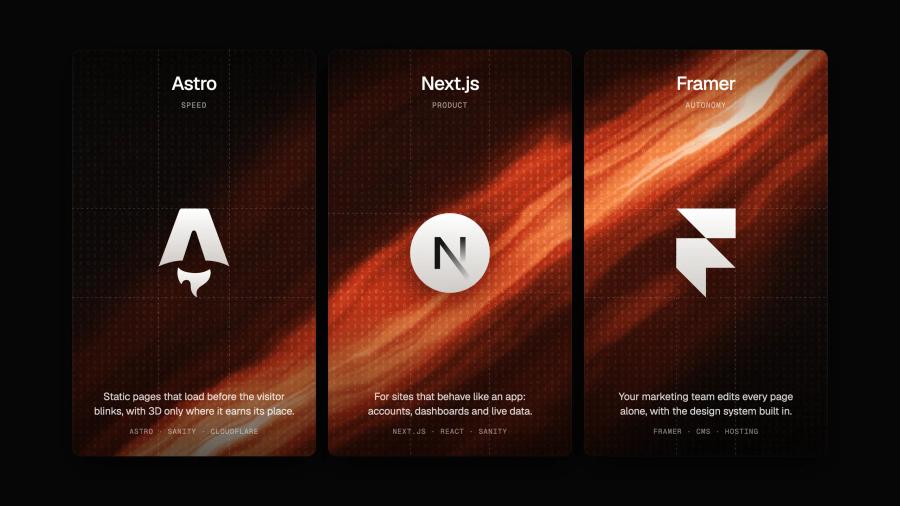
Astro vs Next.js in 2026: which one should you choose for your website?
11 min read
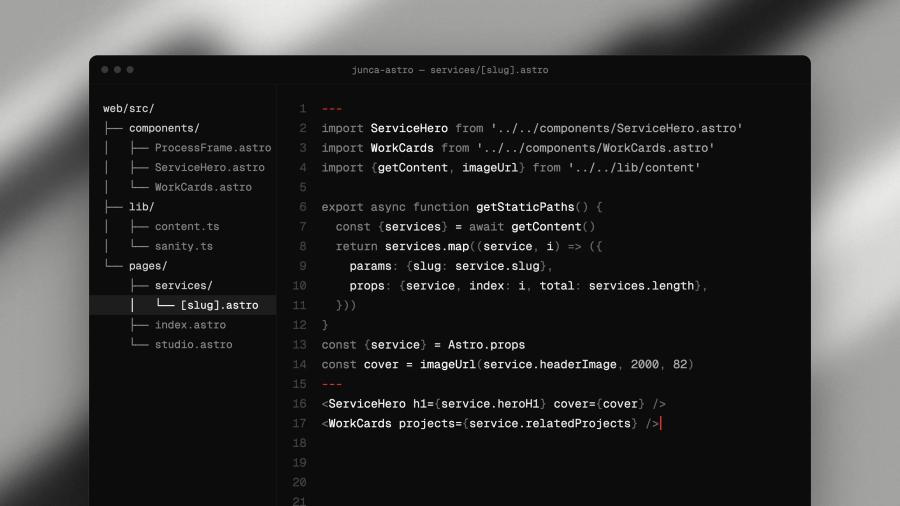
Islands architecture, 66% real-world Core Web Vitals pass rates, shader-level control with Three.js and TSL: the stack we use when a project outgrows no-code, and when we still say Framer.
How to explain complex technology on a website (without dumbing it down)
4 min read
Jargon repels even when you define it, and visitors read 25% of your words. The layered-narrative method we use to make deeptech legible, from Hylight to Kestrix.
Other services