













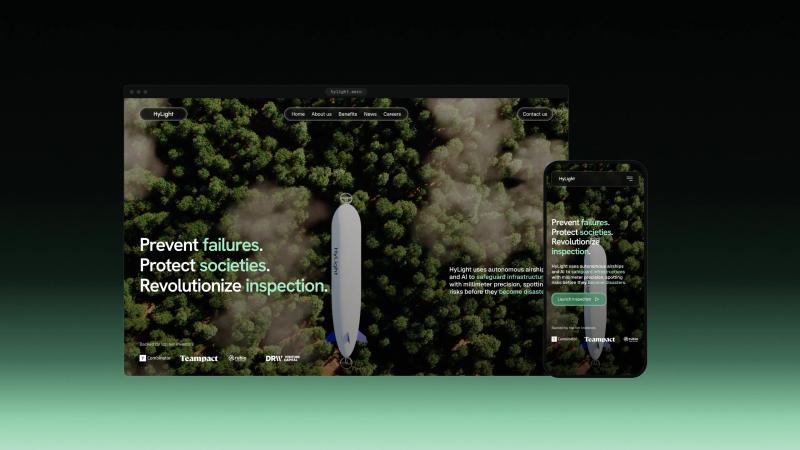
Framer covers most sites. Code is for the ones that must feel like the product: immersive, instant and exact to the pixel.
Custom-coded websites, immersive and fast, with nothing left to a template

What it is
Custom website development means building the site in code, with a framework such as Astro or Next.js, instead of a visual builder.
It is the choice when the experience is the argument: scroll-driven storytelling, real-time 3D and transitions that stay smooth on a phone, pages that load almost instantly however rich they get, and a design reproduced exactly, with no template deciding for you.
Framer covers most marketing sites, and we build there too. Code takes over when a site has to go further than a builder allows, or connect to your product. Your team still runs the content: we plug in a CMS as simple as a document editor, Sanity in most cases, so publishing never needs a developer. It is how juncastudio.com is built: a homepage with a real-time 3D scene that still records a 957 ms Largest Contentful Paint in Chrome's field data.
The problem
Your engineers would never ship your product the way your website is built.
Signs your website has outgrown its stack
Most marketing sites never need custom code, and we will tell you if yours is one of them. The ones that do hit the same walls: an experience the builder cannot run smoothly, a page that slows down with every new section, a design bent to fit a template, and a site that cannot talk to anything else.
The traps
Trap 0101 / 04

Immersion with a ceiling
An experience the builder cannot run
Scroll-driven stories, real-time 3D, page transitions that never stutter: a visual builder approximates them with embeds and plugins, and the result drops frames on phones. In code, each scene loads on its own, after the page has painted, and runs at the frame rate it needs.
Trap 0202 / 04
Speed lost one feature at a time
Every new section costs speed
When every page ships the same JavaScript bundle, each added animation, embed or scene slows down all the others, and Core Web Vitals slip a little more every quarter. Astro starts from the opposite end: pages are plain HTML, and only the components that need interaction load code, at the moment they need it. A heavy 3D hero stops taxing your pricing page and your blog.
Trap 0303 / 04

Close enough
A design bent to fit a template
Spacing, type and motion stop where the builder's options stop, so the site ships at ninety percent of the design. In code, every value is the one the designer chose, down to the easing of a hover and the timing of a transition.
Trap 0404 / 04
Copied by hand, out of sync
Cut off from your product
Your app has a design system, your docs have a changelog, your sales team has a CRM, and the website copies all of it by hand. When the site shares code or data with the product, Next.js lets it reuse components and authentication, and Sanity or your own API feeds the rest. Pricing, release notes and integrations stay in sync without a copy-paste routine.
The process
How we build a custom site you actually own
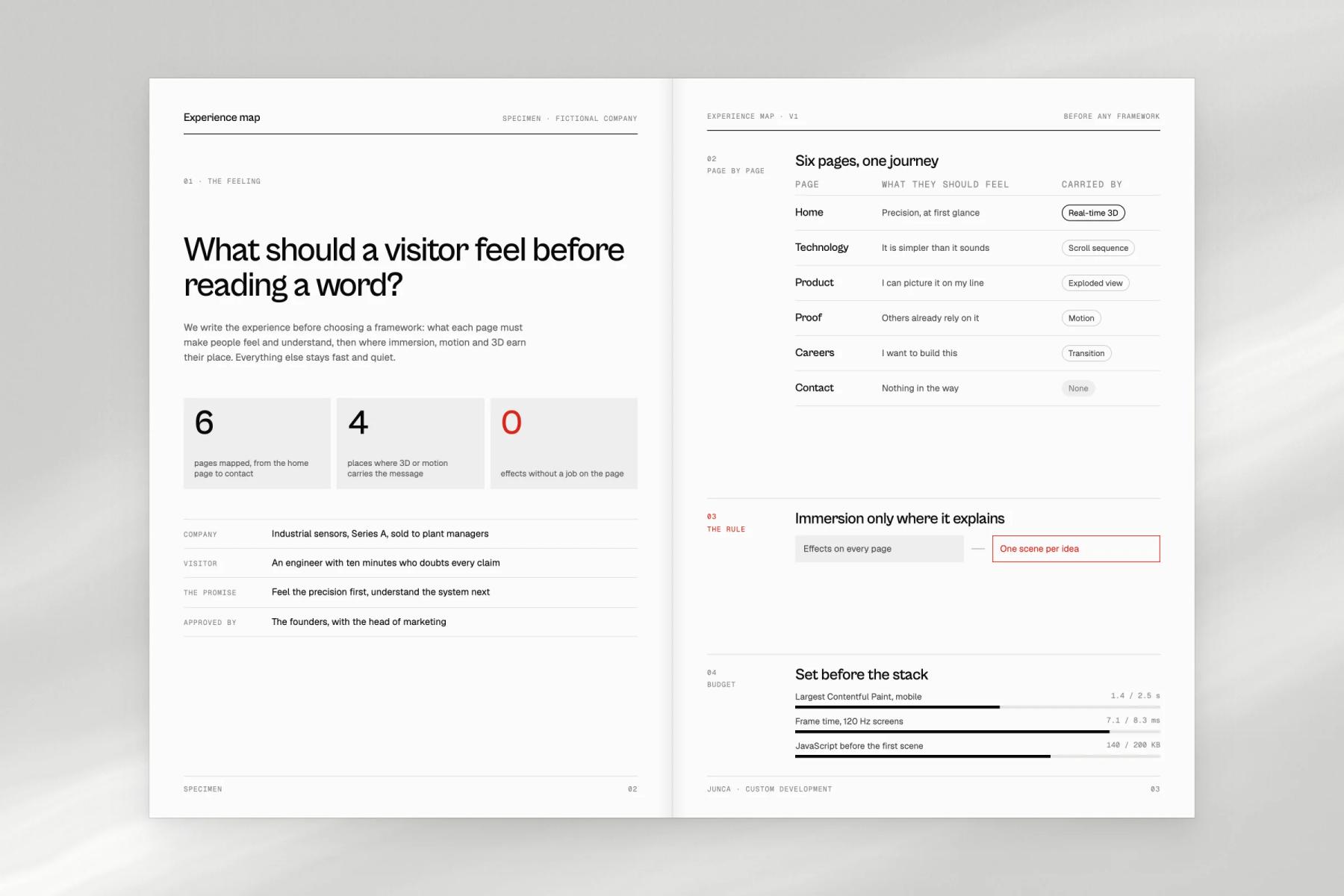
The experience first, then the framework, then design and code, then a performance pass on real devices. You own the repository, the CMS and the hosting account, and your team publishes without ever opening the code.
Step 01
Set the experience
We decide what the site must make people feel and understand, then where immersion, motion and 3D serve it, page by page.
Step 02
Choose the framework
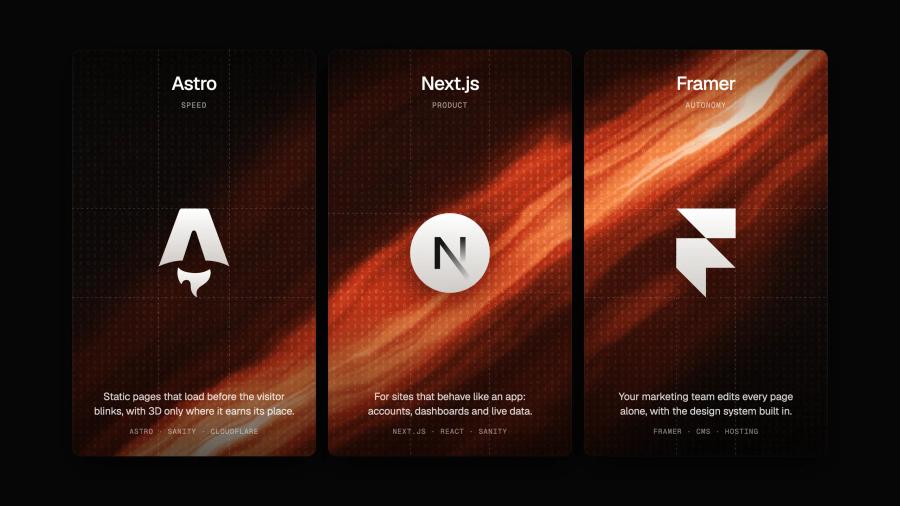
Astro for a marketing site, Next.js when it shares code, data or logins with your product, Framer when your team needs to edit everything. Written down, with reasons.
Step 03
Design and build
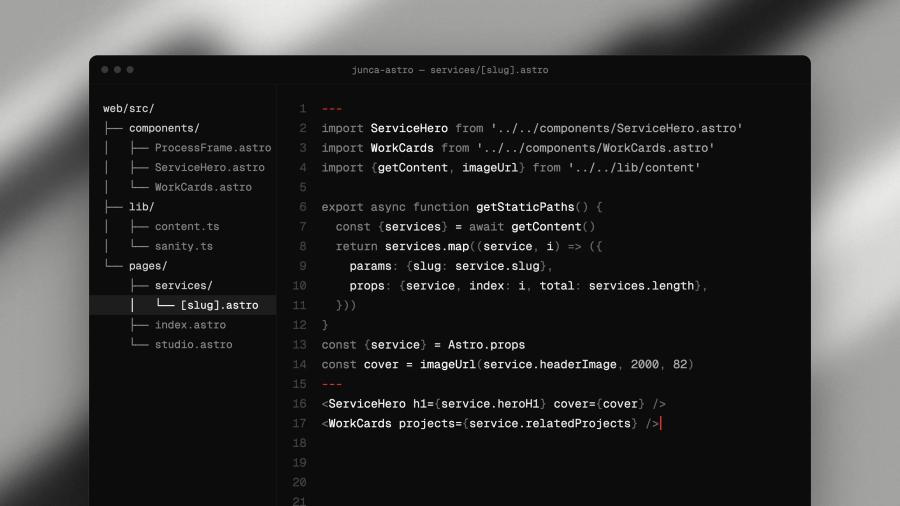
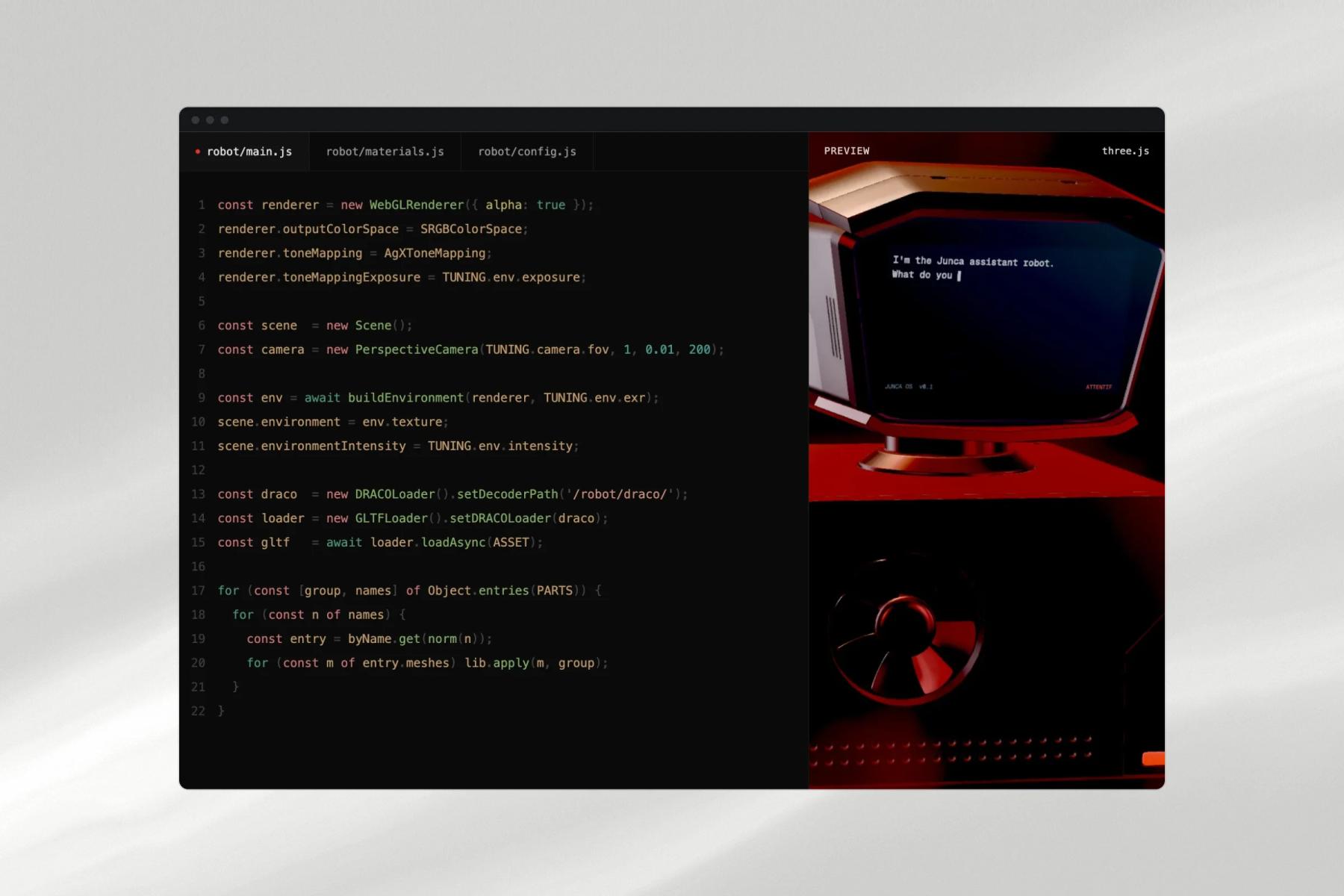
Pages designed in Framer on real content, components typed in TypeScript, 3D written as isolated scenes that load on their own.
Step 04
Measure and fix
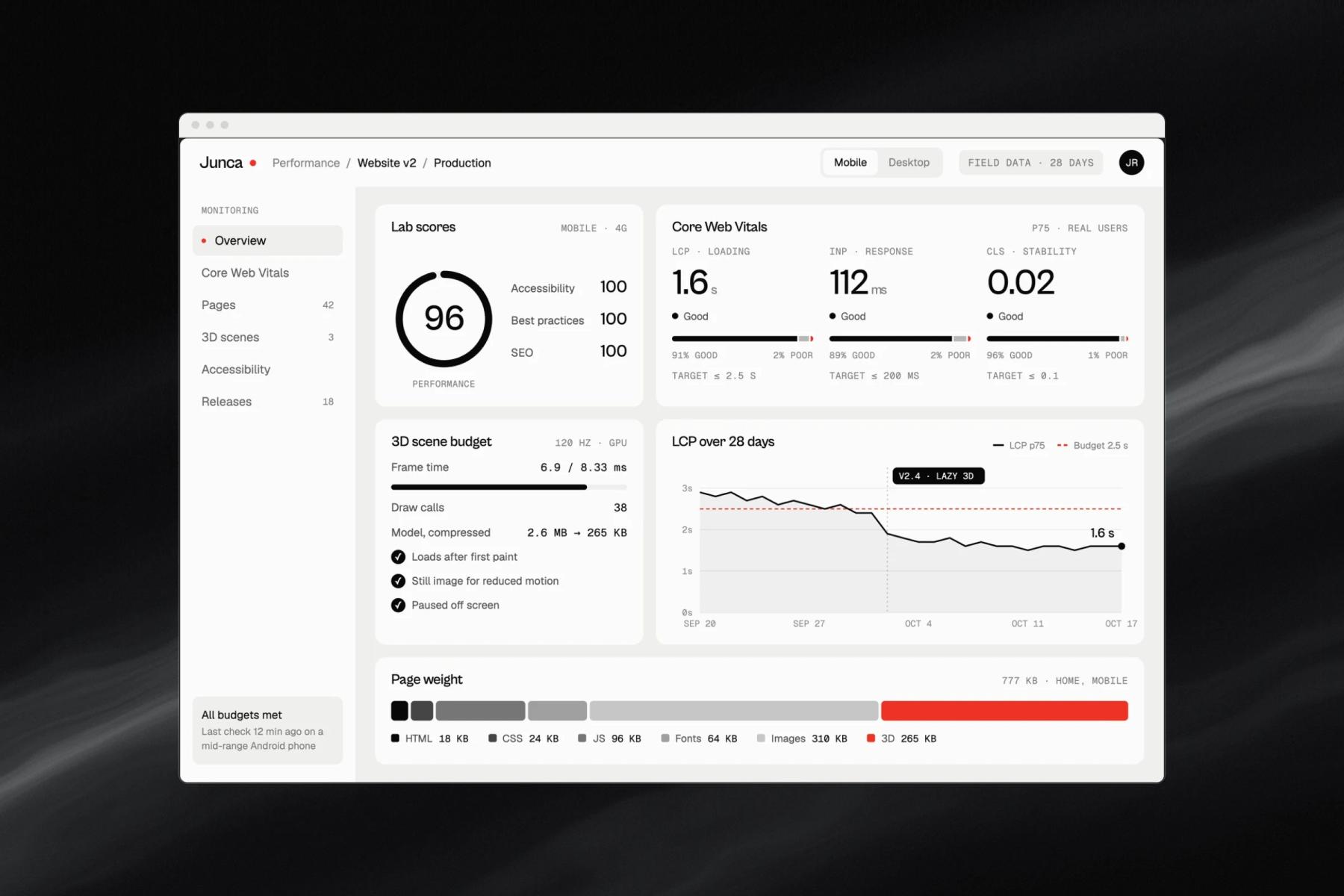
Core Web Vitals, accessibility and structured data checked on real phones and in field data, not only in Lighthouse.
Step 05
Connect the CMS and hand over
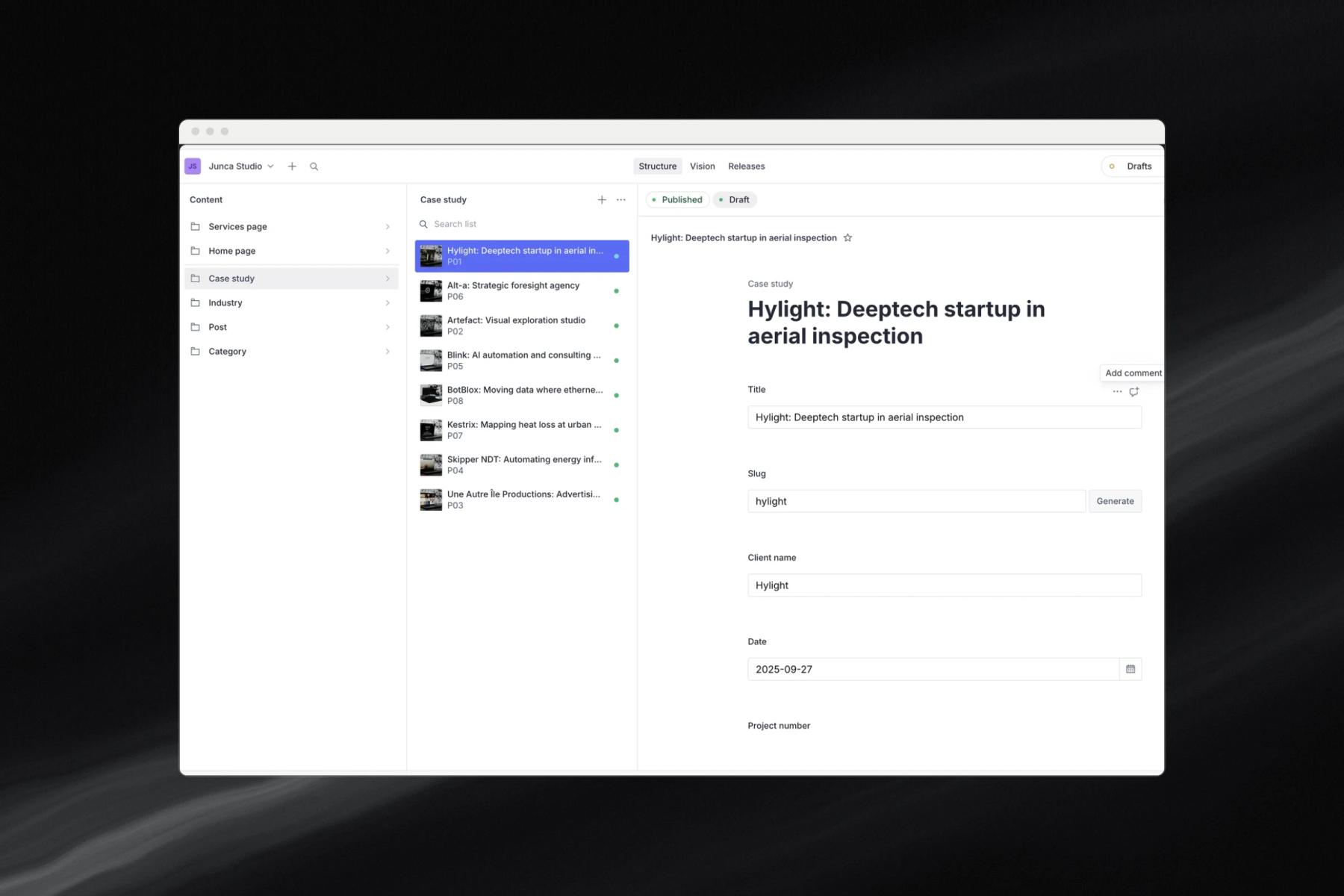
Your content goes into a CMS your team learns in an hour, Sanity in most cases. Publishing rebuilds the site within minutes; your team is trained and the code documented.
What you get
Everything the project needs, from one team.
Immersive scenes and motion
Real-time 3D, scroll-driven sequences and page transitions, written as scenes that load on their own after the page has painted.
Astro or Next.js codebase
Typed in TypeScript, built from components, and documented so another team can pick it up.
Performance and accessibility sign-off
Core Web Vitals measured on real phones and in field data, accessibility checked before launch.
Written stack recommendation
Astro, Next.js or Framer, written down with the trade-offs before a line of code is written.
Integrations
CRM, forms, analytics and product data connected to the site rather than copied into it by hand.
A CMS your team runs
Sanity in most cases: your team publishes pages, articles and case studies without a developer, after one training session.
Everything in your name
The repository, the CMS project and the hosting account belong to you from day one.
Selected work
The same engineering, in client projects
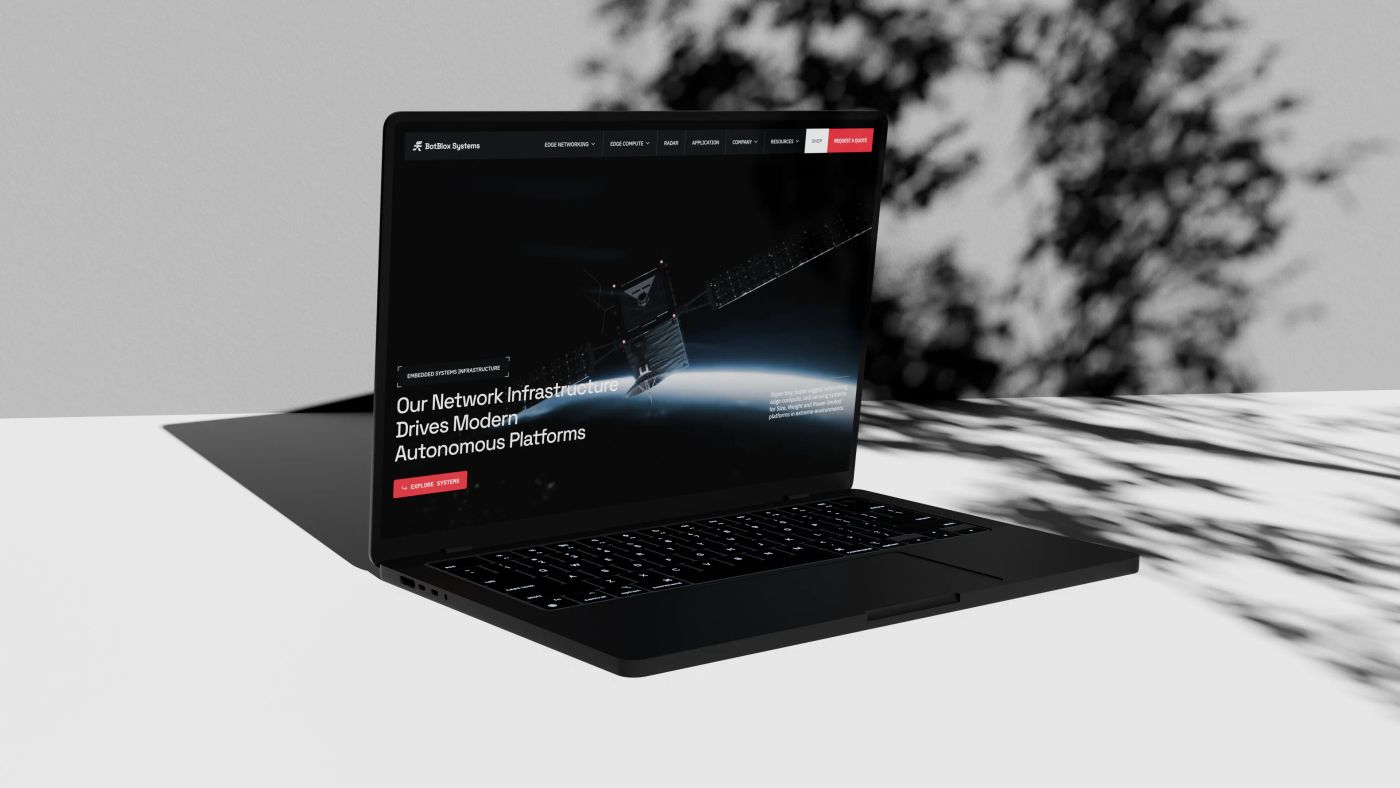

What can code do that Framer cannot?
Run immersive scenes and transitions smoothly on phones, keep pages almost instant however rich they get, reproduce a design exactly, and connect the site to your product or CRM. If your site needs none of that, Framer is the faster choice, and we build there too.
How much does a custom-coded website cost?
The same site costs more in code than in Framer: content modeling, development, performance tuning and maintenance add up. The budget then follows the integrations (CRM, product data, private areas) and the 3D. For reference, a Framer website typically ranges from $10,000 to $20,000, and projects with a brand identity and custom 3D usually range from $20,000 to $50,000; complete programs go further. We recommend code only when your needs justify it.
How long does a custom website take?
A focused site takes 4 to 6 weeks once the brief is approved, in code as on Framer. With branding, 3D scenes or custom animation, count 8 to 12 weeks. The content model is settled in the first weeks, so your team can start filling Sanity while design and development continue, and launch does not wait for copy.
Are you a Next.js agency or an Astro agency?
Both, and we build in Framer too. We use Astro for most marketing sites, because it sends finished HTML and runs JavaScript only in the components that need it, such as a 3D scene or a form. We use Next.js when the site behaves like an application or shares components and logins with your product. The choice is written down, with its reasons, before any code.
Can our marketing team publish without a developer?
Yes. Your team writes and publishes in the Sanity studio: pages, articles, case studies, team members, product entries. Publishing triggers a rebuild and the live site updates within minutes. A developer is only needed for new content types or new page templates, which we can take on after launch if your own engineers prefer to stay on the product.
Which CMS will our team use?
Sanity, in most cases. It stores content as structured data you define, lets several people edit at the same time, and serves that content to any framework through an API. It suits technical companies whose content has real structure: products with specs, papers with authors, case studies by sector. It runs our own site, where publishing triggers a rebuild that goes live in about three minutes.
Do we own the code?
Yes. The repository, the Sanity project and the hosting account are in your name, and the code is written in TypeScript and documented so that your engineers, or another studio, can take it over. There is no proprietary builder underneath and no license fee tied to us.
Can we start in Framer and move to code later?
Yes, and we did it first on our own site. We move the content into Sanity, rebuild the templates in Astro, keep every URL that can stay identical and redirect the rest permanently. Titles, descriptions and structured data travel with each page, and we check indexing in Google Search Console after the switch, page by page.
Astro vs Next.js in 2026: which one should you choose for your website?
11 min read
Islands architecture, 66% real-world Core Web Vitals pass rates, shader-level control with Three.js and TSL: the stack we use when a project outgrows no-code, and when we still say Framer.
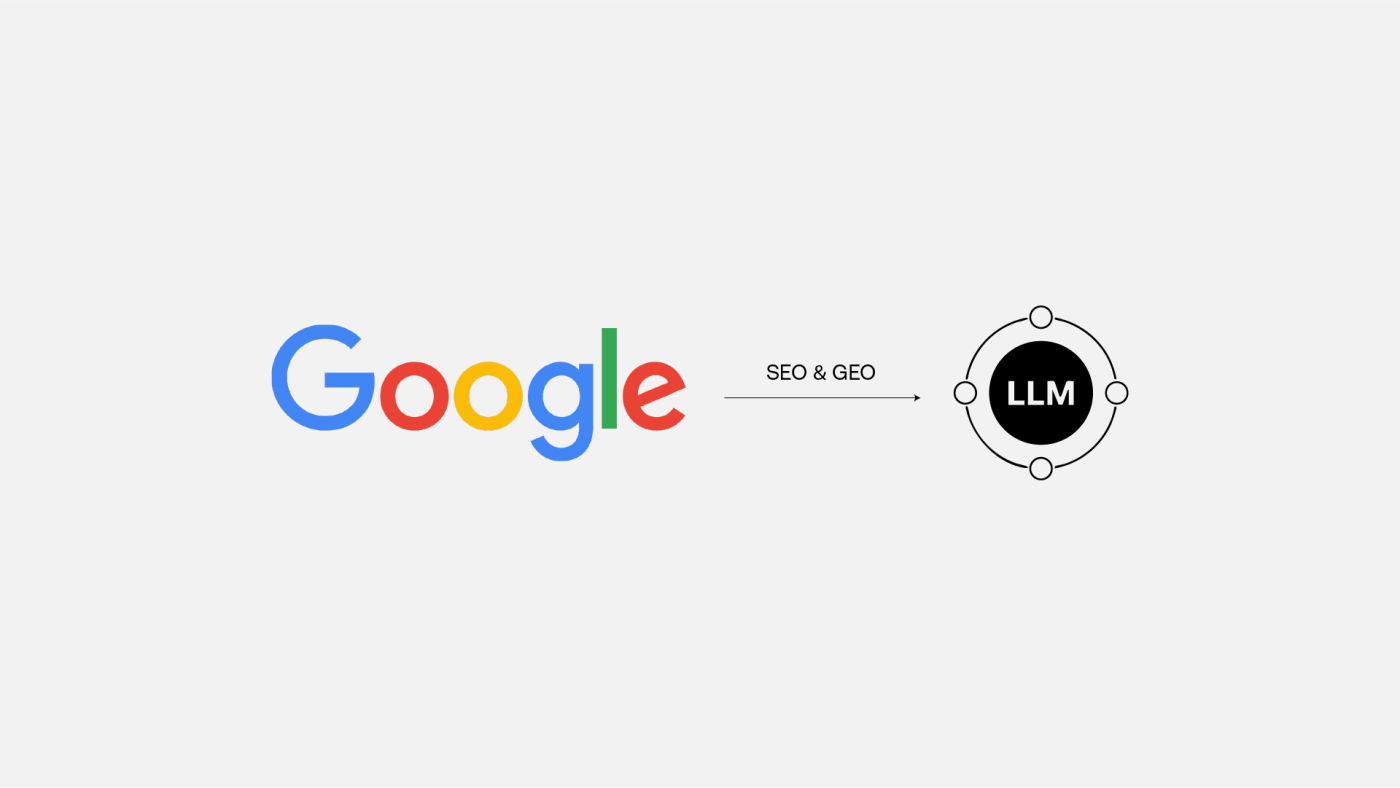
How to build a website designed for SEO and GEO from day one
6 min read
Building a high-performing website isn't about adding SEO at the end. Here's how to structure content, architecture, and visibility for SEO and GEO from the start.

Framer in 2026: the complete guide for businesses
5 min read
Is Framer the right choice for your business website in 2026? Features, performance, limitations, costs, and real-world feedback after dozens of projects.
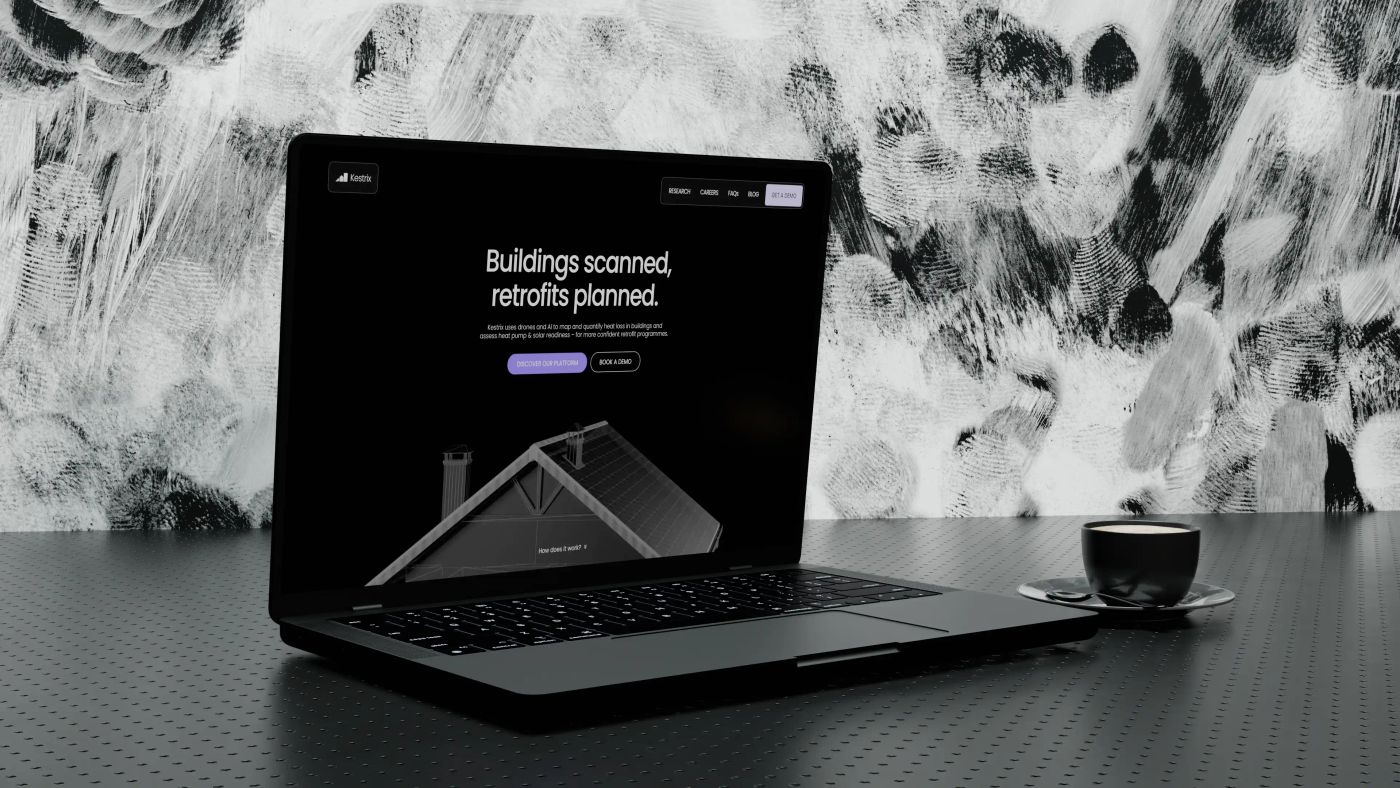
How much does a website redesign cost in 2026?
9 min read
A transparent breakdown of website redesign costs: what drives the price, what to expect at each budget level, and why cheap rarely means effective.
Why deeptech startups need a premium website
5 min read
A generic website is no longer enough for a deeptech startup. Investor credibility, talent acquisition, market positioning: why web design is an underestimated strategic lever.
Other services