Why it matters
Most robotics and hardware startups share the same problem: serious engineering, real performance.
and a website that fails to show the machine, the precision, or the proof behind it.
The problem
The engineering is impressive. The website rarely shows it.
Where most hardware websites fall short
Hardware rarely fails on engineering. It fails on the page, when a website can't show the machine and the proof to an investor or a buyer in the few seconds they give you.
- The trap / 01
Too technical
Specs and components everywhere. The visitor stalls before the value is clear.
- The trap / 02
No proof
Real hardware, but no field results, no demos, no deployments shown anywhere.
- The trap / 03
Generic design
A flat SaaS template that hides the craft and precision of real engineering.
- The trap / 04
Invisible machine
No renders, no exploded views, no 3D. The visitor never sees the hardware.
The robotics market, in numbers
Robotics is scaling fast: capital, talent, and competition are all concentrating. How clearly you present your hardware is now part of its value. Standing out is no longer optional.
Global market
$74B
The global robotics market size reached in 2025. (Precedence Research)
Market growth
14%
Annual growth, on track to ~$111B by 2030. (Precedence Research, 2025)
Industrial robots
$27B
The industrial robotics segment alone in 2025. (Precedence Research)
First impression
94%
Of a first impression of a website is design-related. (web design research)
- Pre-seed / Seed42%
- Series A25%
- Series B+22%
- Scale-up12%
Source: Sample data
Source: Sample survey, 2026
- 71%
- 16%
- 12%
- Desktop (71%)
- Mobile (16%)
- Tablet (12%)
Source: Sample analytics
03
Public sources behind the figures on this page (sample)
- 01Sample survey, 2026
- 02Sample analytics
- 03Sample data
We only publish figures we can trace: every number links back to a public report, dataset or survey.
How we work with Robotics & Hardware
We start by actually understanding your technology
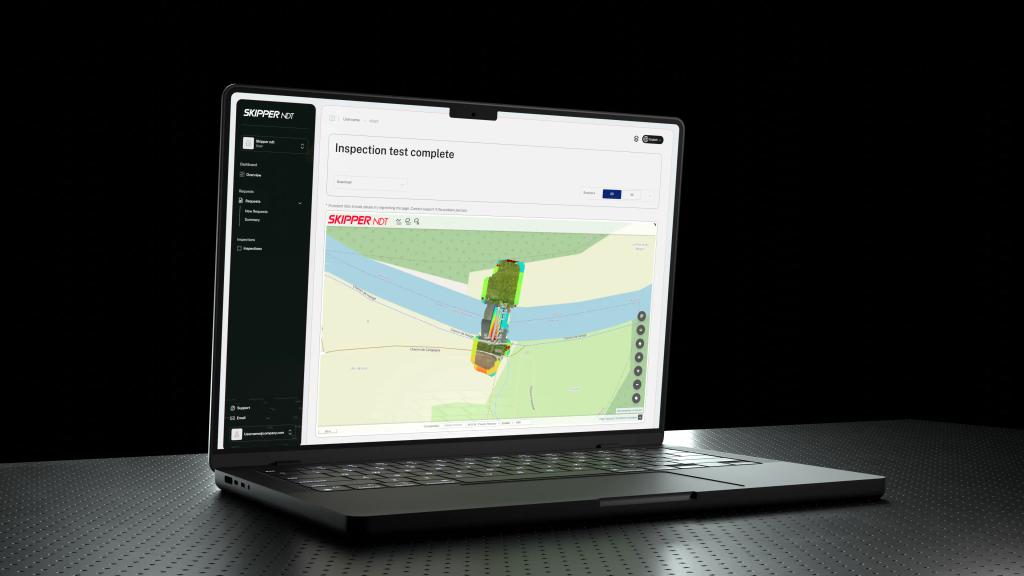
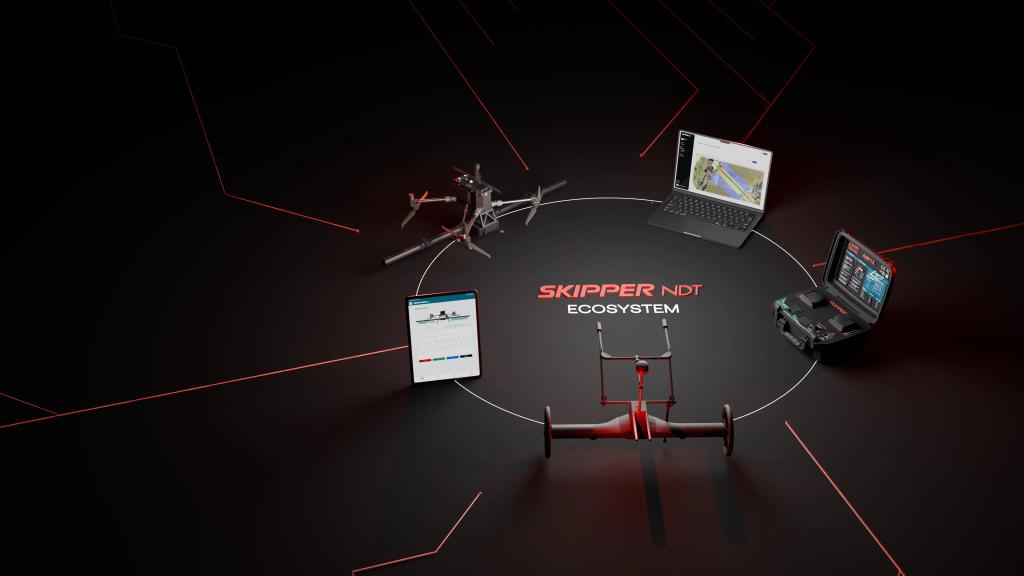
We've built for Hylight (YC S23) and Skipper NDT. We read the hardware, grasp the sensors and the systems, and we know what to keep, what to cut, and how to stage what's left.
Kick-offResearch Step 01 / 05Brief & Immersion
We dig into your tech through your deck, publications and founder interviews before we design.
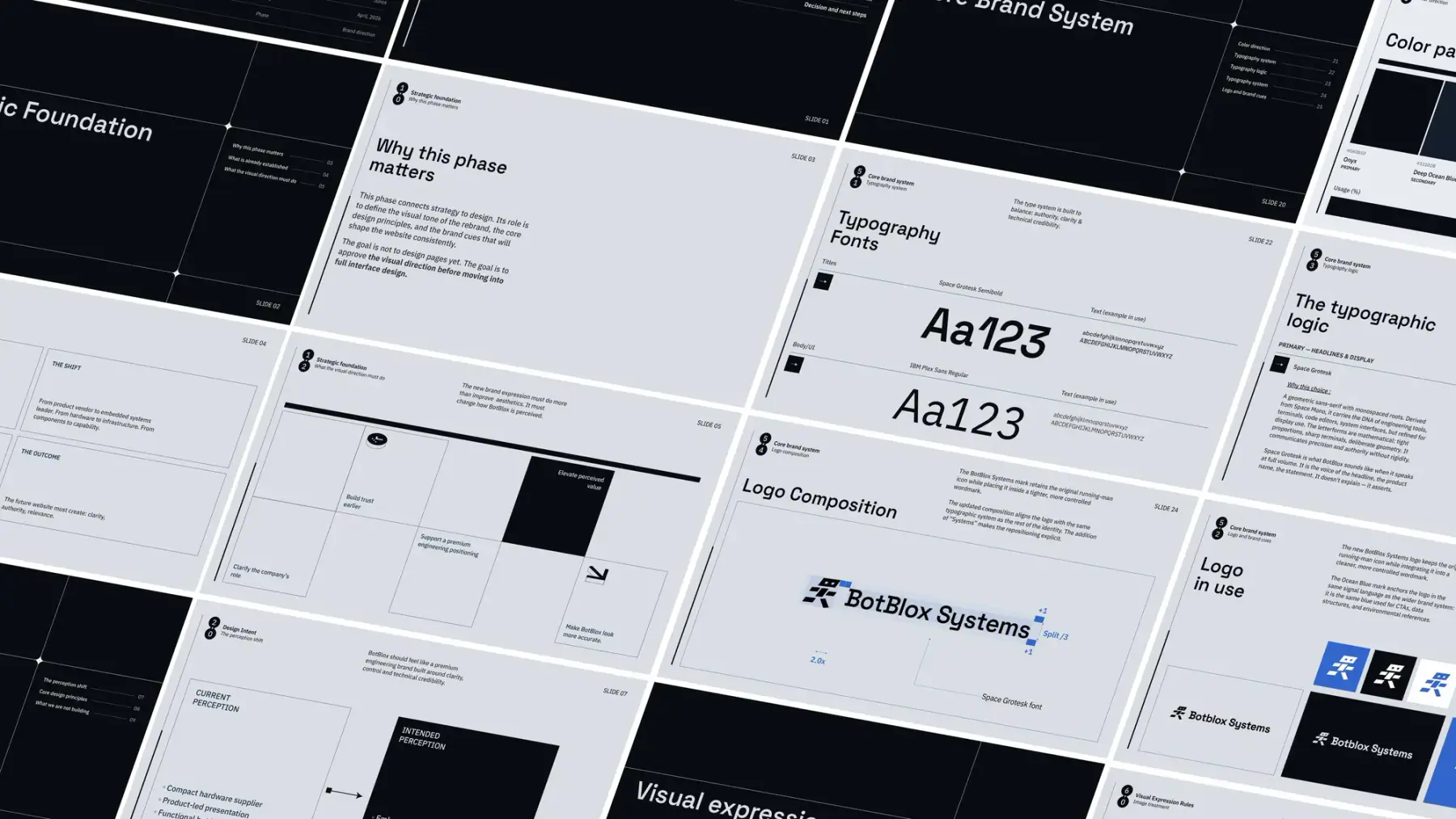
IdentityArt direction Step 02 / 05Branding & Art Direction
We craft your identity: logo, palette, typography, into a coherent, ownable direction.
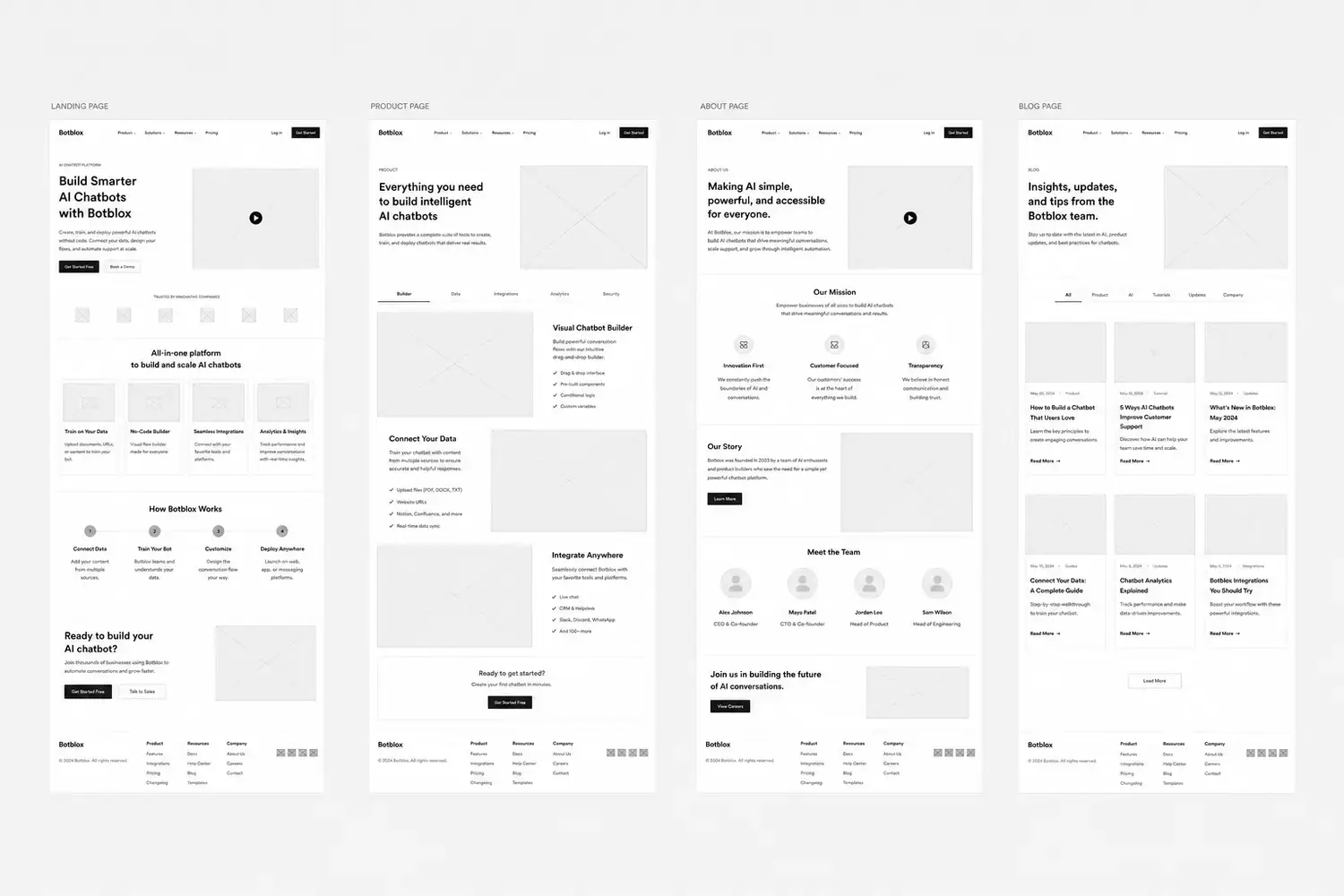
UXStructure Step 03 / 05Wireframing
We map each page as a low-fidelity skeleton, locking the structure before any visuals.
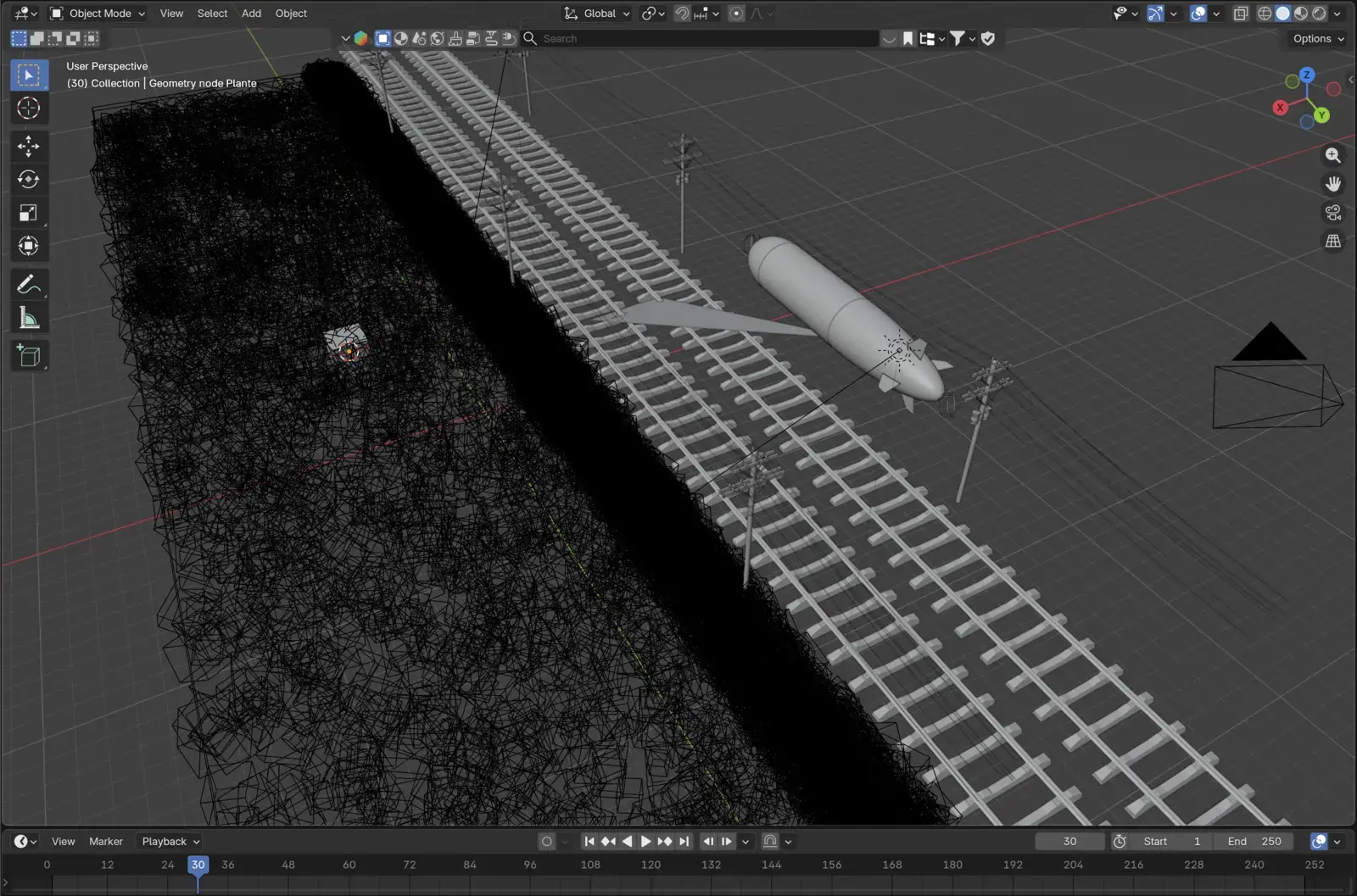
UI design3D & motion Step 04 / 05Design & 3D
We turn the brand into final UI, custom 3D scenes, and motion that brings it all to life.
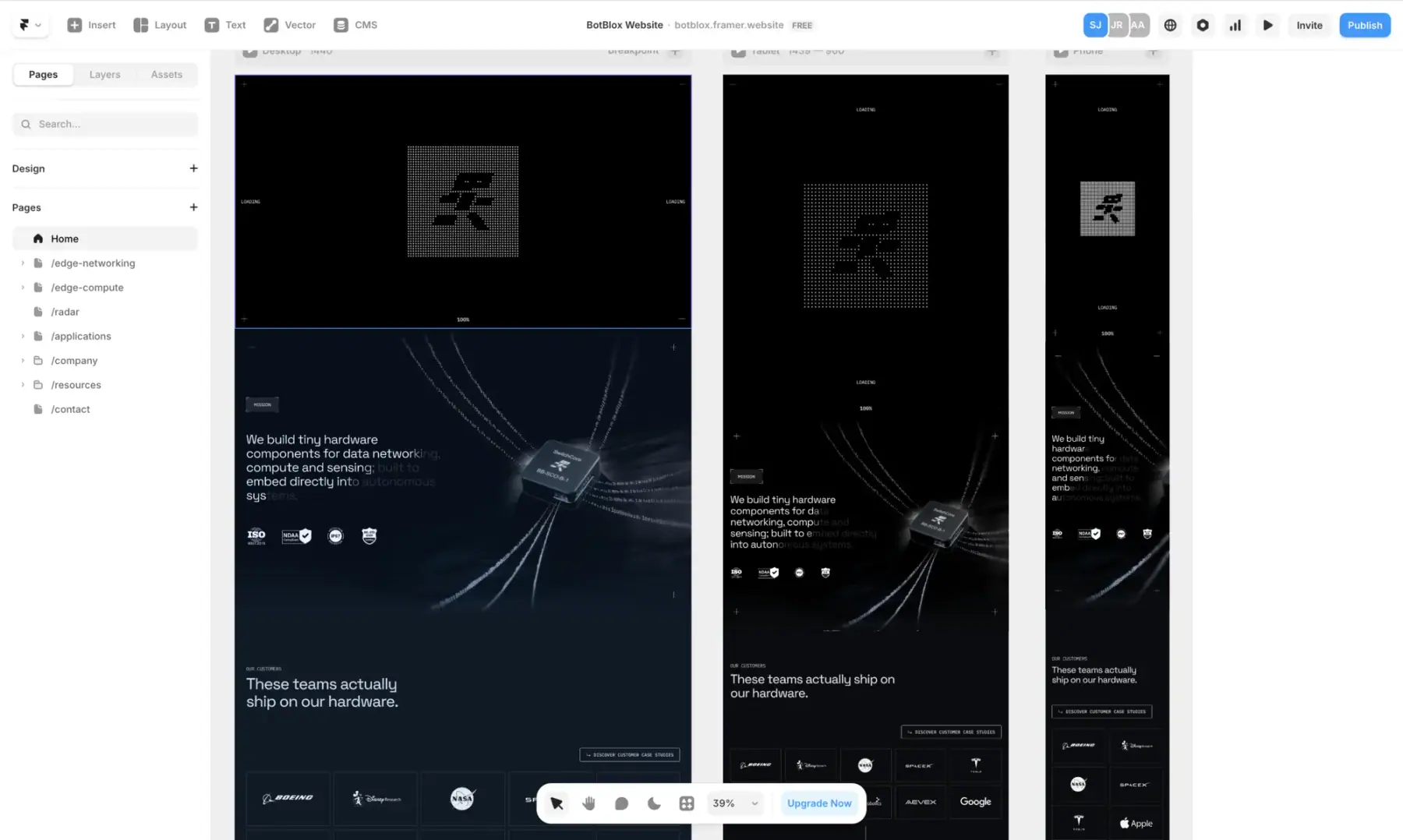
Astro · Next.js · FramerTechnical SEO Step 05 / 05Website Build & Integration
We ship a fast site on Framer, Astro or Next.js, with structured data and clean technical SEO.
Selected work
Hardware projects we've shipped

- Fundraising
- B2B sales pipeline
- Technical hiring
- Industrial partnerships
- Going international
How much does a robotics or hardware website cost?
Hardware websites start around $6,000 for a complete marketing site. Projects with interactive 3D product scenes, product families and a full resources hub, like the ones we build for hardware companies, reach $20,000 and more. We scope precisely after a first call.
Our product is physical. How do you show it properly online?
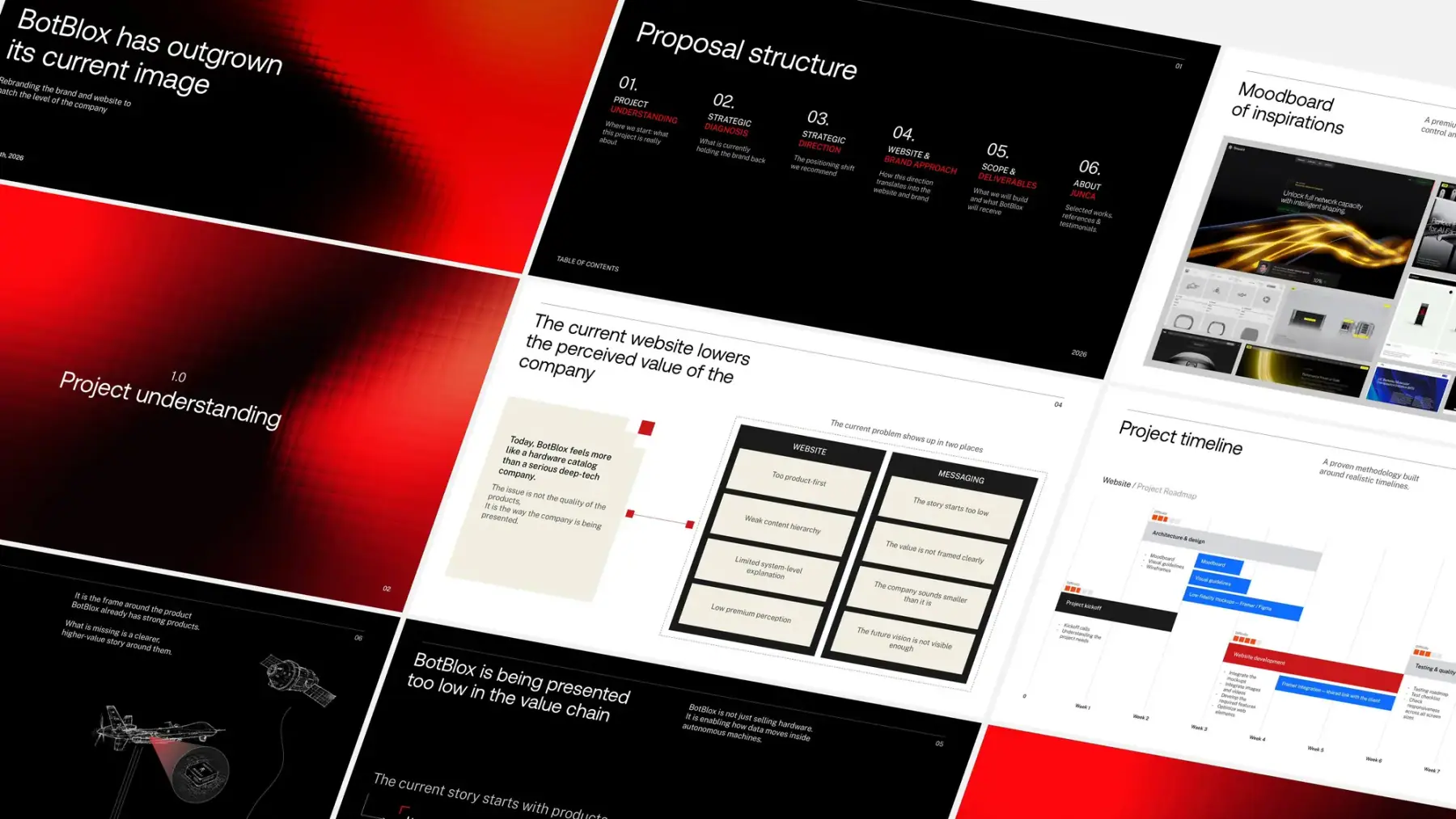
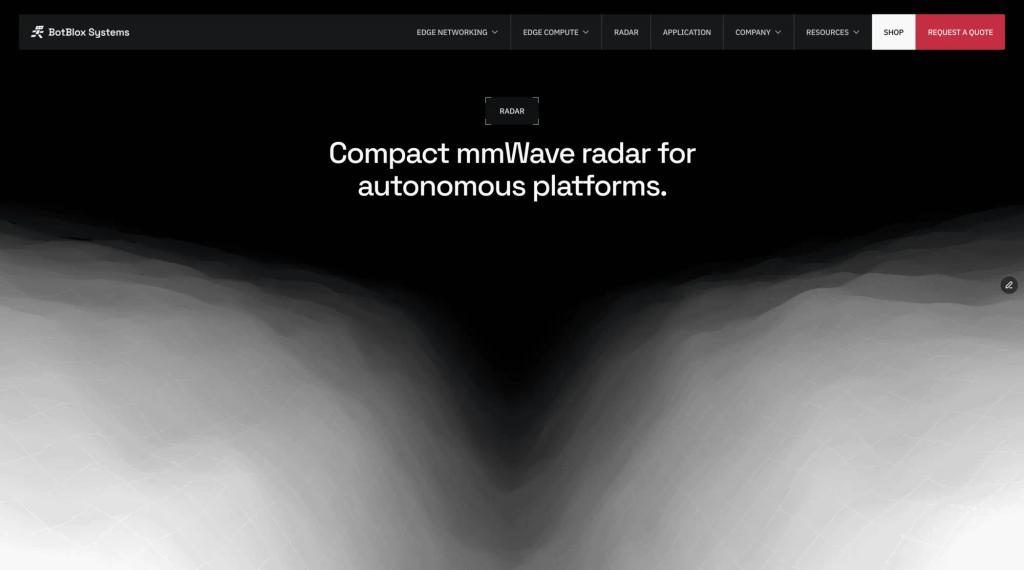
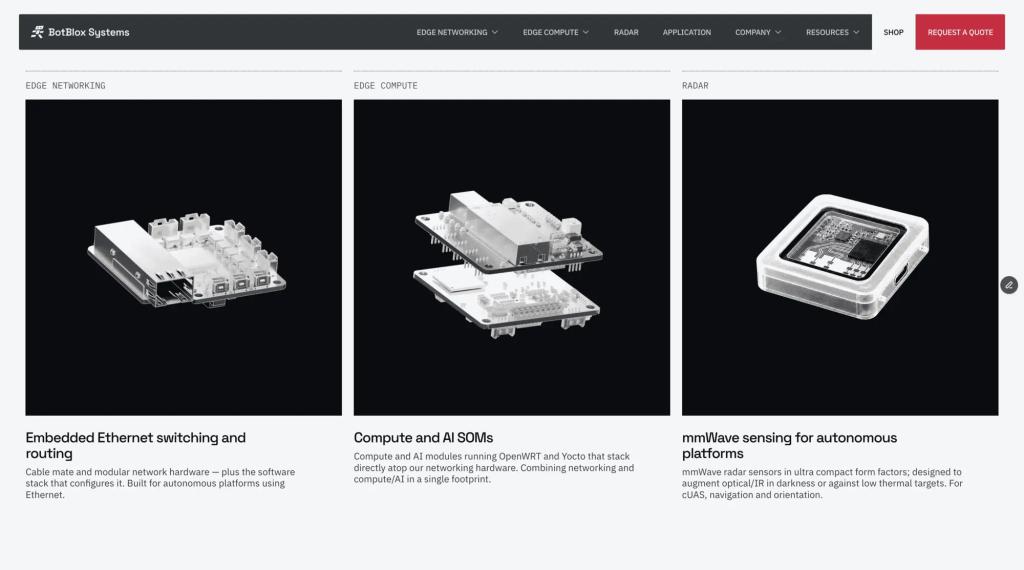
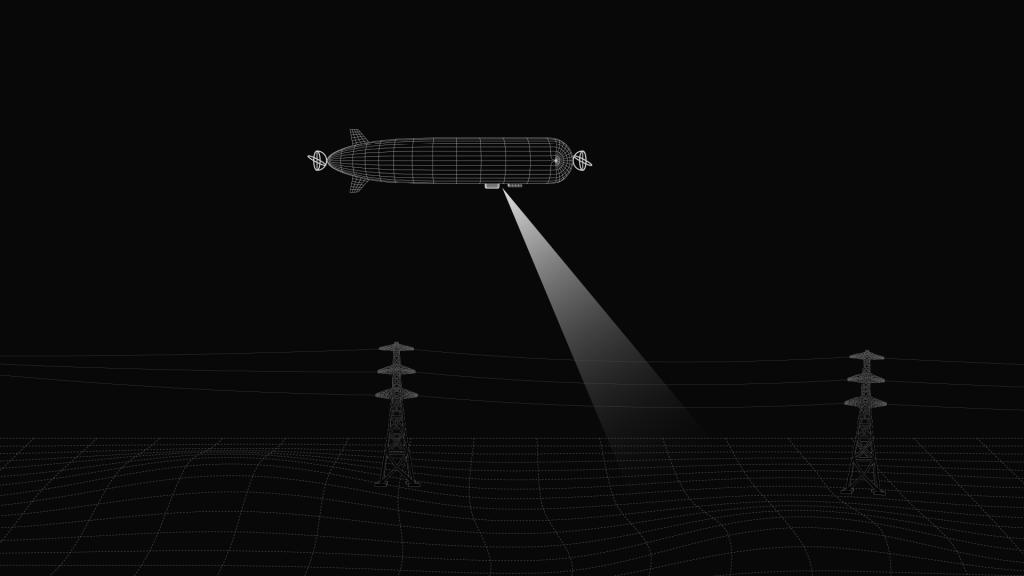
Film it when possible, build it in 3D when not. For BotBlox (New York) we built interactive 3D and animated circuit systems; for Hylight, a full 3D scene of their airship, investors referenced it in calls before ever seeing the hardware.
Can you handle spec sheets, documentation and product families?
Yes. Hardware sites live or die on structure. BotBlox's site organizes product families, application verticals and a complete resources hub (documentation, technical blog, case studies) on the Framer CMS, so their team publishes autonomously.
Do you understand engineering buyers?
We're engineers ourselves. A buyer evaluating hardware checks specs, interfaces and constraints (size, weight, power) before caring about design. We make the technical case scannable and honest; the design earns the trust.
How long does a hardware website take?
From 4–6 weeks for a focused marketing site to 8–10 weeks for a full corporate site with custom 3D and a resources hub. Complex product catalogs add time, we scope that in the first call.
Why work with Junca for robotics and hardware specifically?
Because we show the machine. From BotBlox's rugged networking hardware to Hylight's hydrogen airships, our engineering background plus in-house 3D means the product becomes tangible, and tangible sells.
Other industries
Back to all industries