Why it matters
Most industrial companies share the same problem: decades of expertise, proven reliability, yet a website that fails to convey any of it to the buyers who never see the factory floor.
The problem
Decades of rigor, flattened into a website nobody remembers.
Where most industrial websites fall short
Industrial expertise rarely fails on the factory floor. It fails on the page, when a website can't convey decades of rigor to the decision-makers who never get to see it, in the seconds they give you.
- The trap / 01
Too technical
Specs and norms everywhere. The visitor stalls before the value becomes clear.
- The trap / 02
No proof
Real capabilities, but no use cases, no certifications, no measured results shown.
- The trap / 03
Dated design
A heavy, dated look that undercuts the precision and reliability you deliver.
- The trap / 04
Invisible tech
No diagrams, no schematics, no 3D. The visitor never sees the engineering.
The manufacturing market, in numbers
Industry is digitizing fast: smart manufacturing and Industry 4.0 are reshaping how buyers evaluate suppliers. How clearly you present your technology is now part of its value. Standing out is no longer optional.
Smart manufacturing
$394B
The global smart manufacturing market size in 2025. (Fortune Business Insights)
Industry 4.0
$206B
The Industry 4.0 market in 2025, on track to ~$240B in 2026. (Fortune, 2025)
Market growth
15%
The annual growth rate of the smart manufacturing market. (Fortune, 2025)
Bounce risk
38%
Of visitors leave a site immediately if the design feels off. (Adobe)
- Pre-seed / Seed42%
- Series A25%
- Series B+22%
- Scale-up12%
Source: Sample data
Source: Sample survey, 2026
- 71%
- 16%
- 12%
- Desktop (71%)
- Mobile (16%)
- Tablet (12%)
Source: Sample analytics
03
Public sources behind the figures on this page (sample)
- 01Sample survey, 2026
- 02Sample analytics
- 03Sample data
We only publish figures we can trace: every number links back to a public report, dataset or survey.
How we work with Industry 4.0
We start by actually understanding your technology
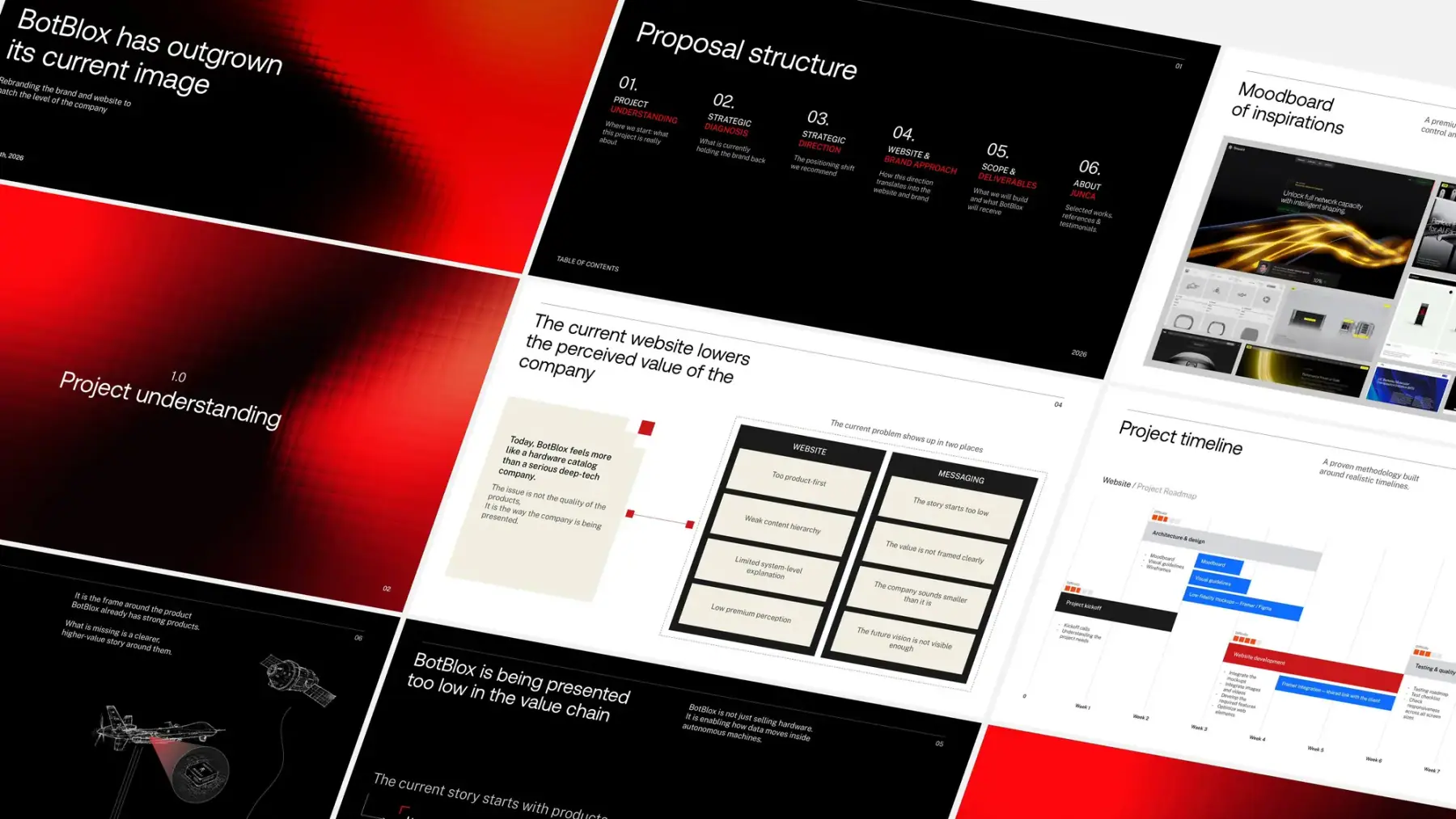
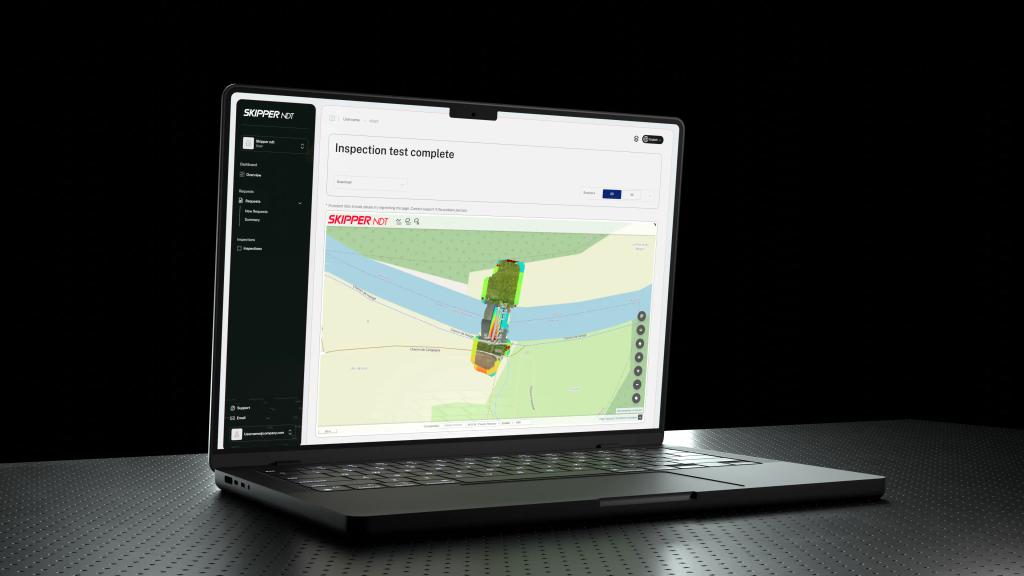
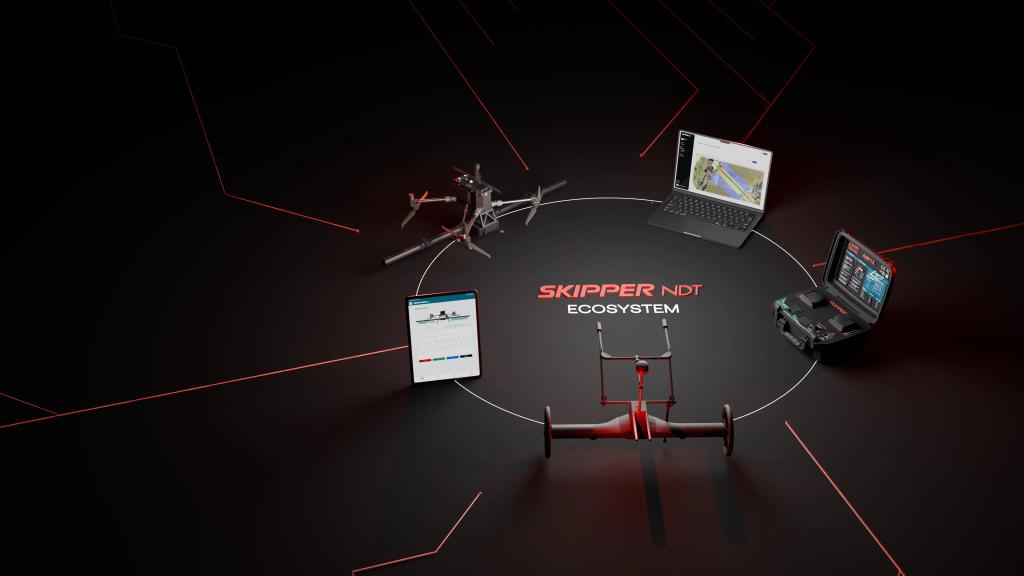
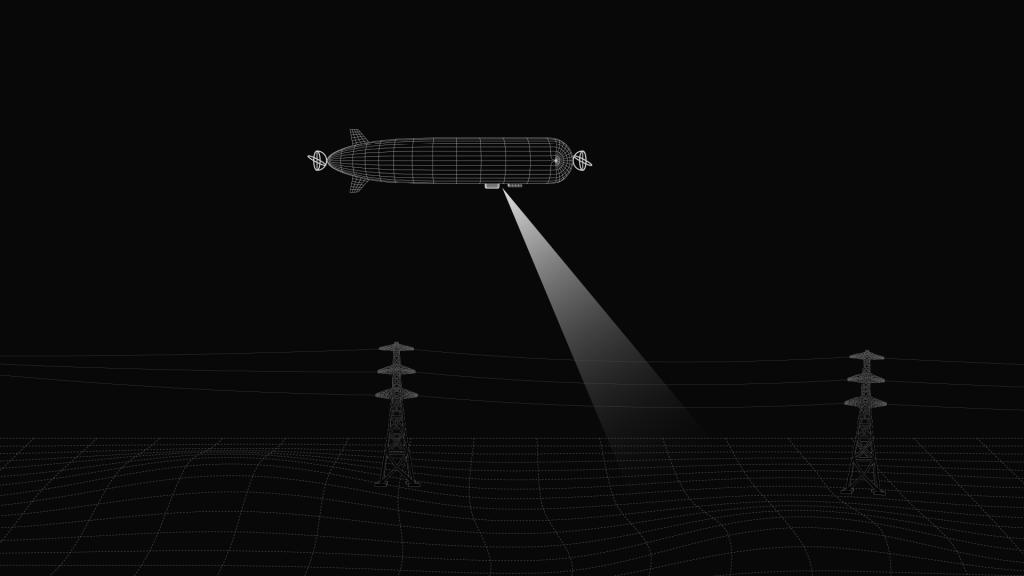
We've built for Skipper NDT and Hylight. We read the specs, grasp the machines and the inspection data, and we know what to keep, what to cut, and how to stage what's left.
Kick-offResearch Step 01 / 05Brief & Immersion
We dig into your tech through your deck, publications and founder interviews before we design.
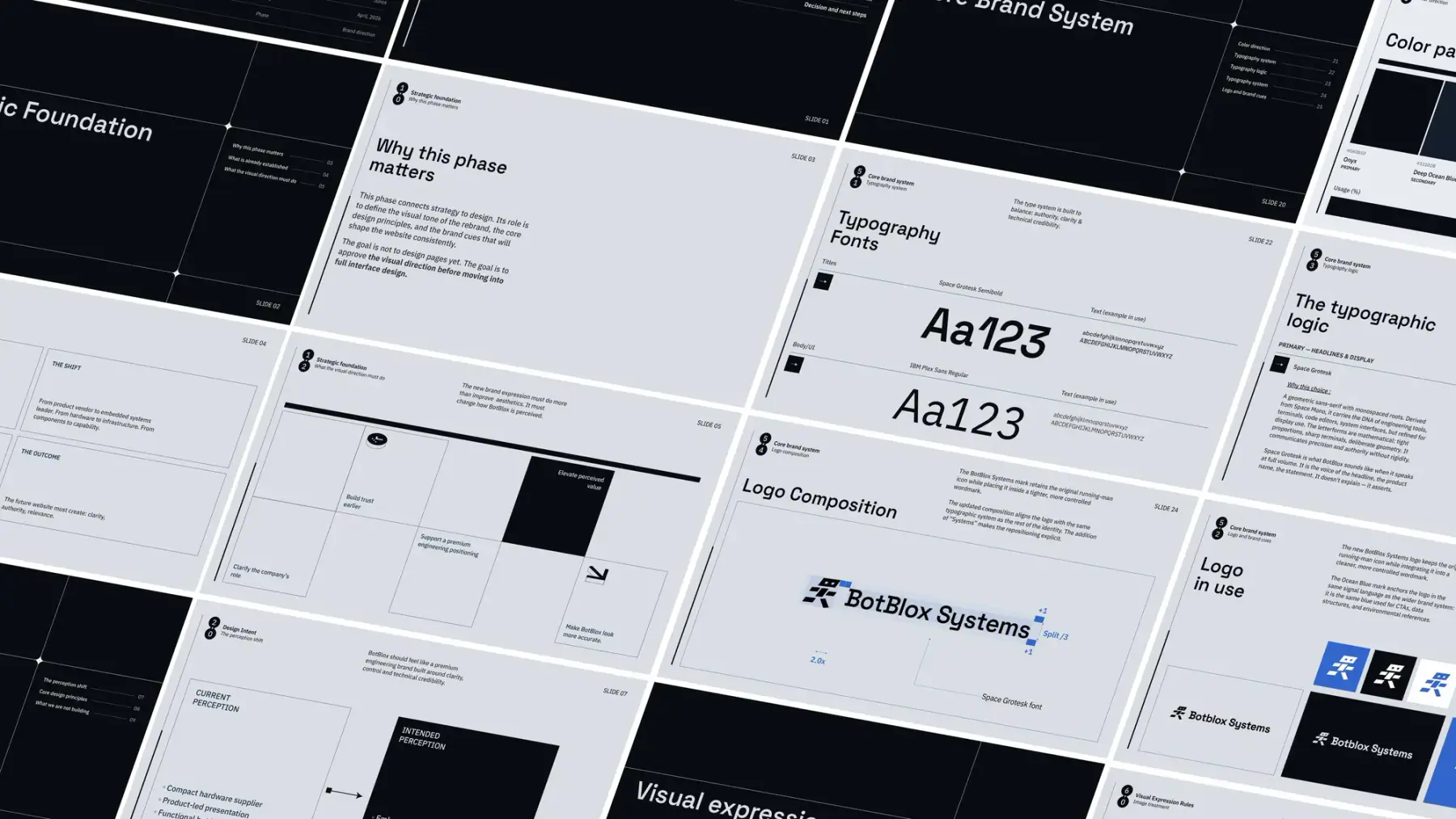
IdentityArt direction Step 02 / 05Branding & Art Direction
We craft your identity: logo, palette, typography, into a coherent, ownable direction.
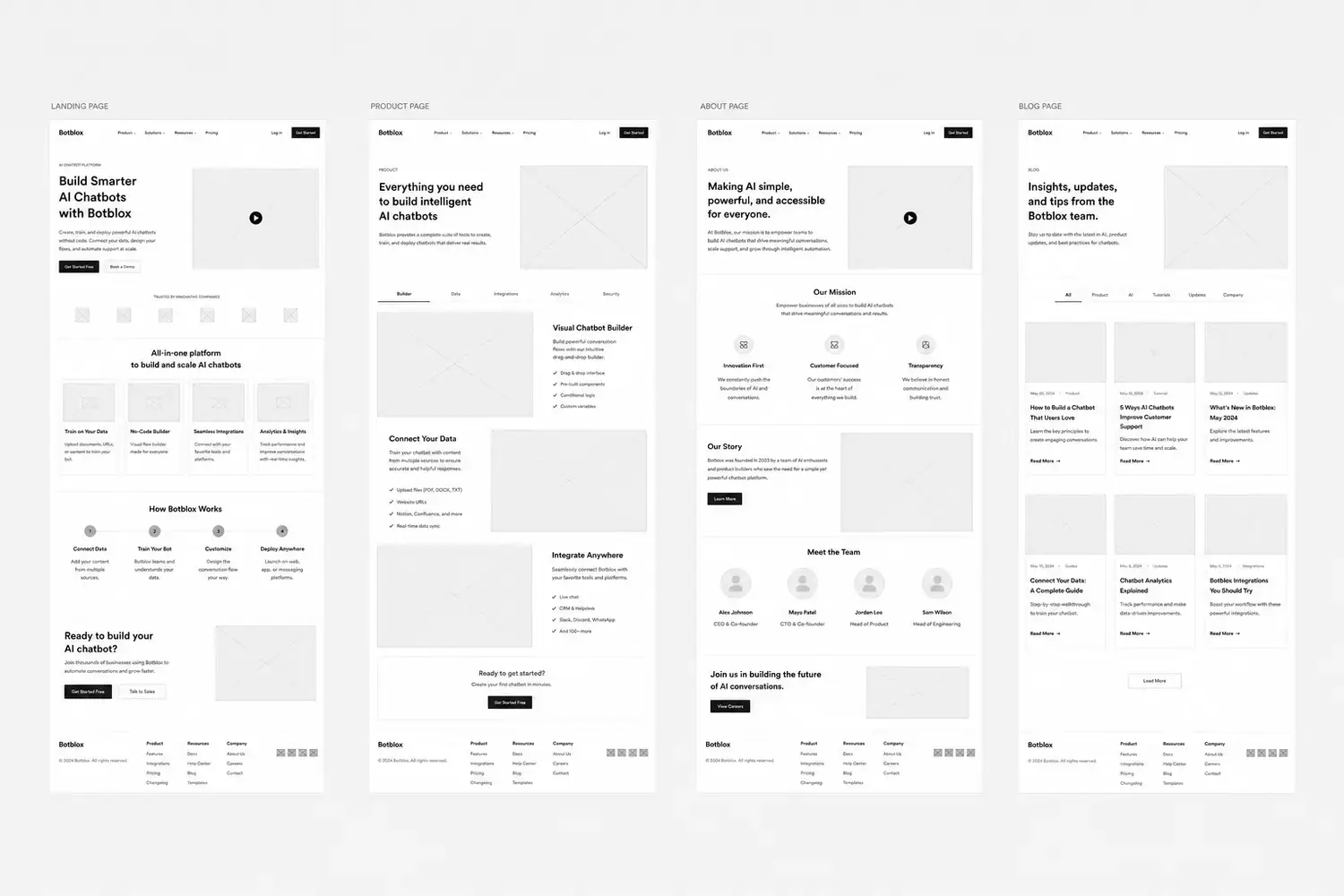
UXStructure Step 03 / 05Wireframing
We map each page as a low-fidelity skeleton, locking the structure before any visuals.
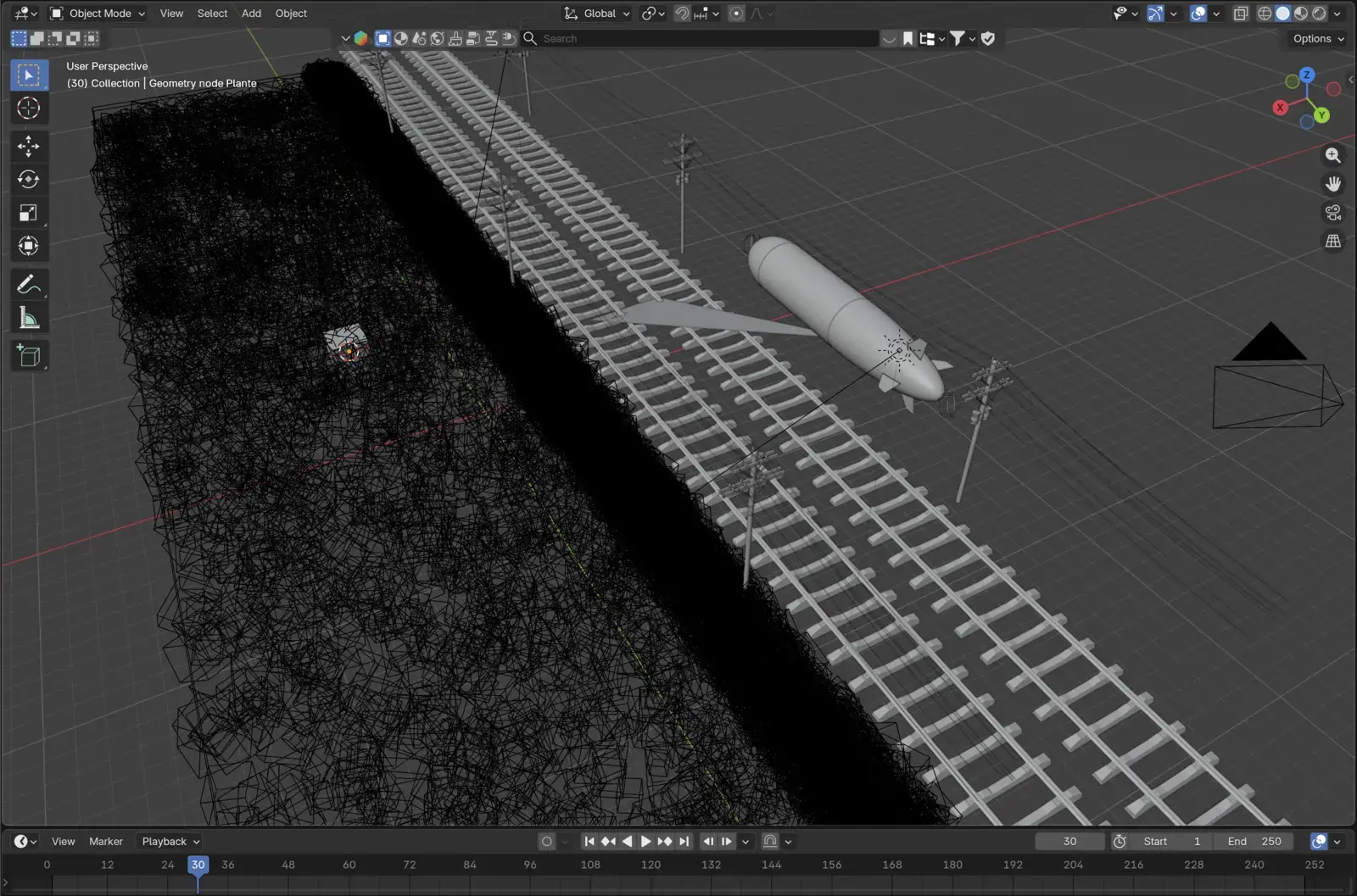
UI design3D & motion Step 04 / 05Design & 3D
We turn the brand into final UI, custom 3D scenes, and motion that brings it all to life.
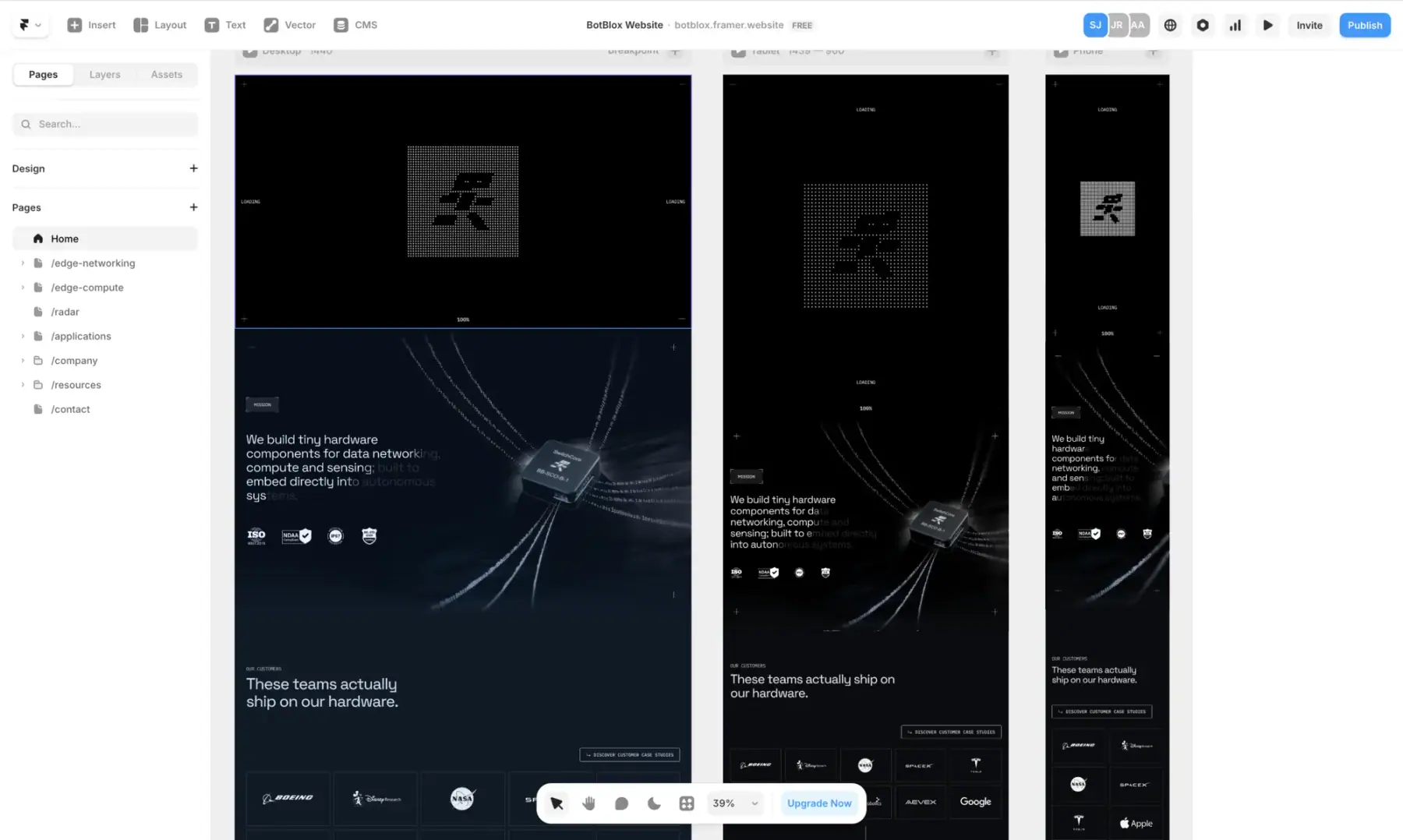
Astro · Next.js · FramerTechnical SEO Step 05 / 05Website Build & Integration
We ship a fast site on Framer, Astro or Next.js, with structured data and clean technical SEO.
Selected work
Industrial projects we've shipped

- Fundraising
- B2B sales pipeline
- Technical hiring
- Industrial partnerships
- Going international
How much does an industrial website cost?
Industrial websites start around $6,000 for a complete marketing site. Larger projects (use-case pages, 3D process visuals, multiple stakeholder journeys) reach $20,000 and more. We scope precisely after a first call.
Our buyers are conservative decision-makers. What actually builds trust?
Sober art direction, precise vocabulary, structured use-case pages and verifiable proof. For Skipper NDT (pipeline inspection, Paris), we designed a site specifically meant to reassure American industrial decision-makers. Restraint reads as rigor.
Can you present complex industrial processes clearly?
Yes, with diagrams, 3D visuals and structured use-case pages. Our engineering background means we understand non-destructive testing or process automation before we design for them, so nothing gets lost in translation.
We're an established company, not a startup. Do you work with us?
Yes. We work with both startups and established industrial players. The rigor is the same. What changes is the process: more stakeholders, existing content to migrate, and brand equity to preserve rather than reinvent.
How long does an industrial website take?
Between 4 and 10 weeks depending on scope. Use-case pages and technical content sit on the longer end; we define the timeline stakeholder by stakeholder in the first call.
Why work with Junca for industry and manufacturing specifically?
Because industrial credibility is earned through precision, and our engineering background delivers it. Skipper NDT trusted us to present ultrasonic pipeline inspection to industrial buyers: expertise made legible, without hype.
Other industries
Back to all industries