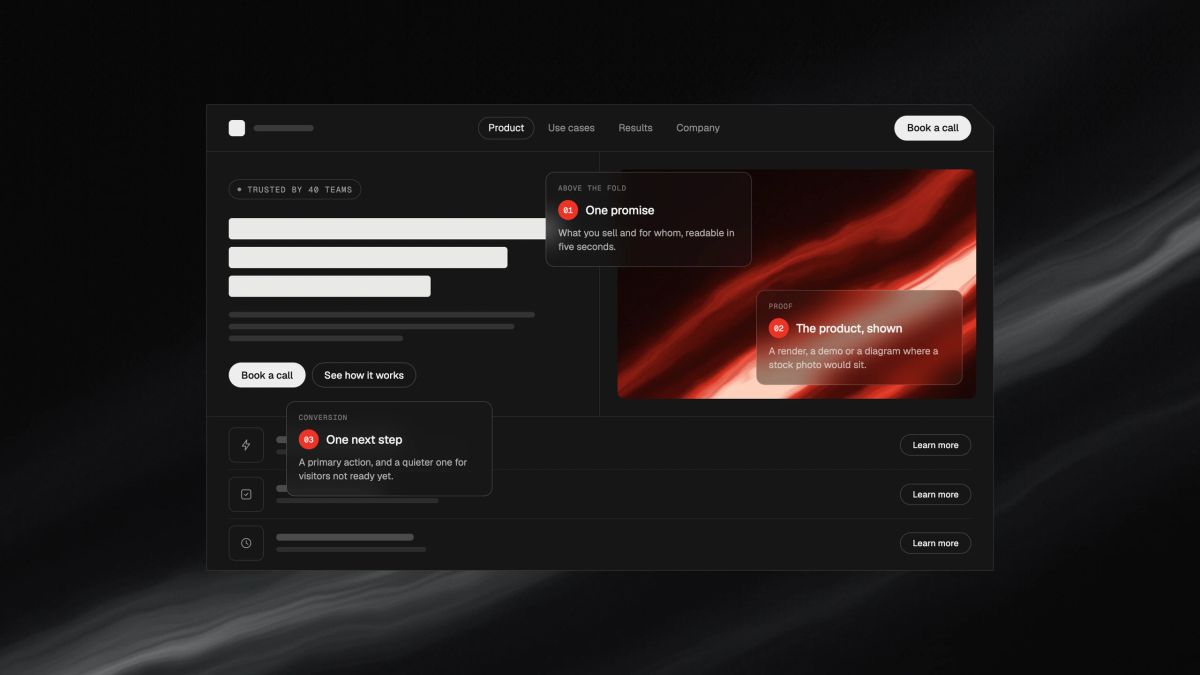

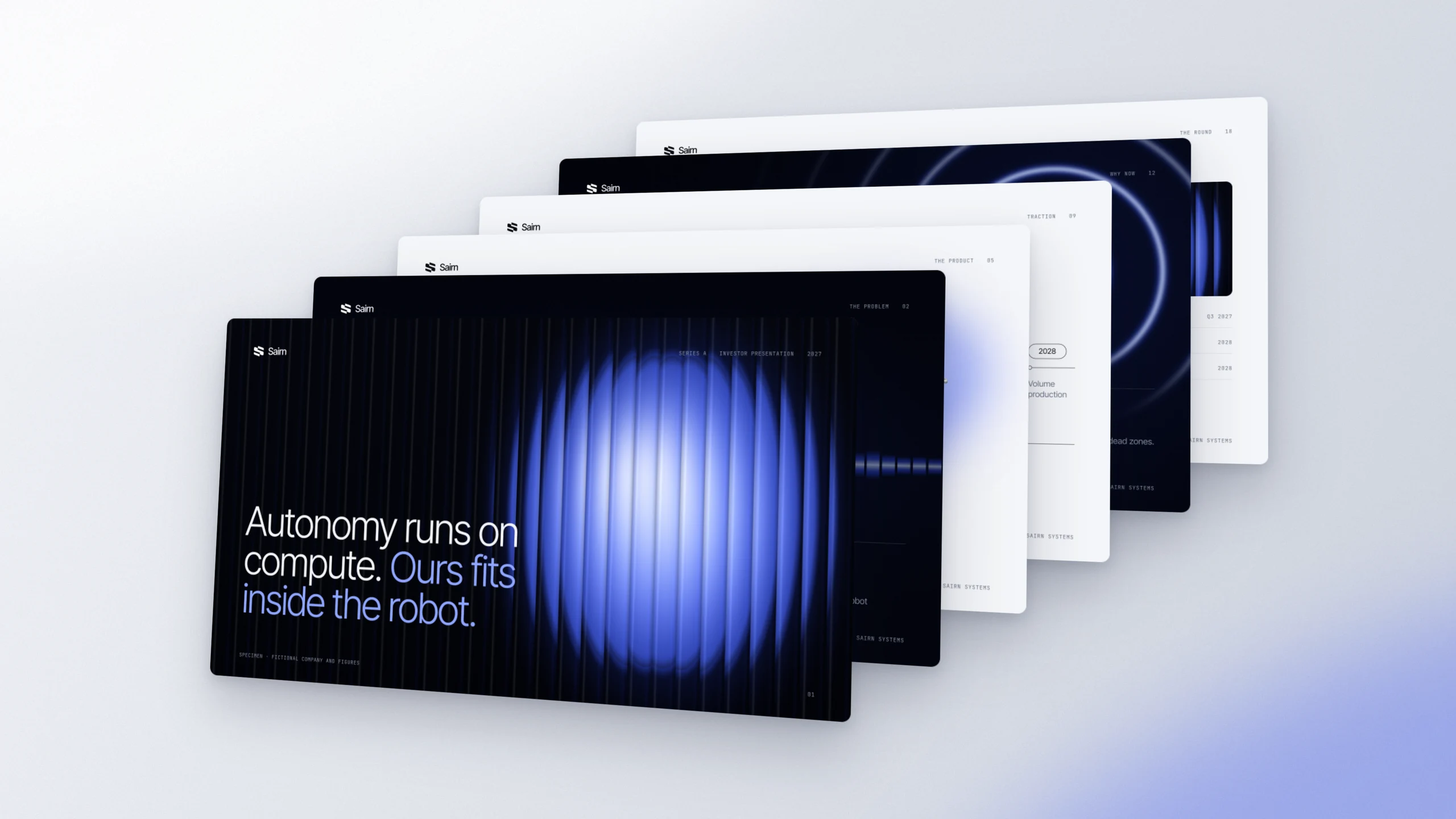
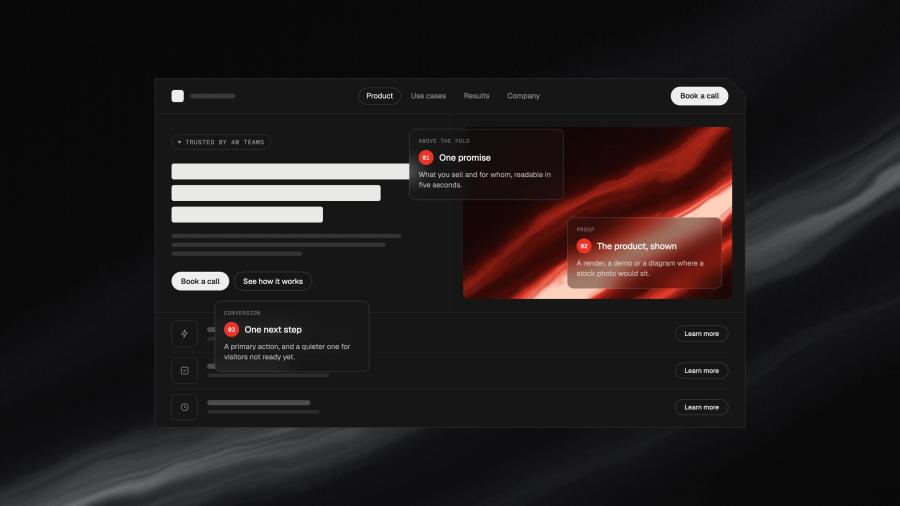



Before the meeting, a fund reads your deck. Then it opens your website.
An investor-ready website, live before the first fund opens it

What it is
An investor-ready website is a site that tells the same story as the pitch deck to the people who check it before and after the meeting: who backs the company, what the product does, what it has proved and what comes next.
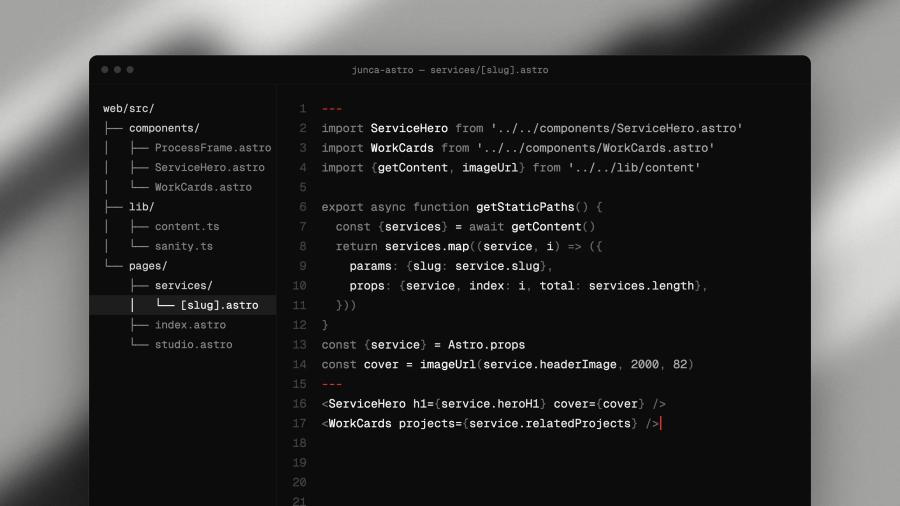
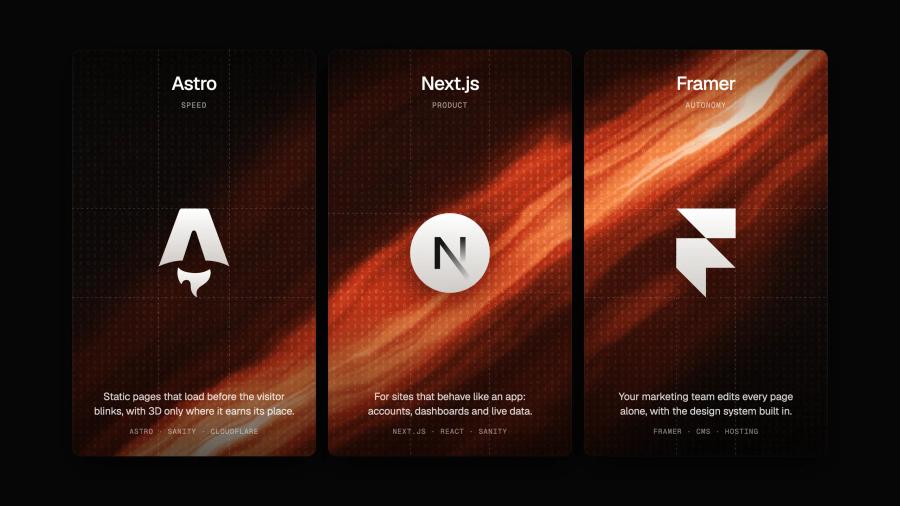
Junca brings the whole site to the level of the deck, adds a page for investors and a private space for the data room, and prepares the press kit and the announcement of the round, in Framer or in code.
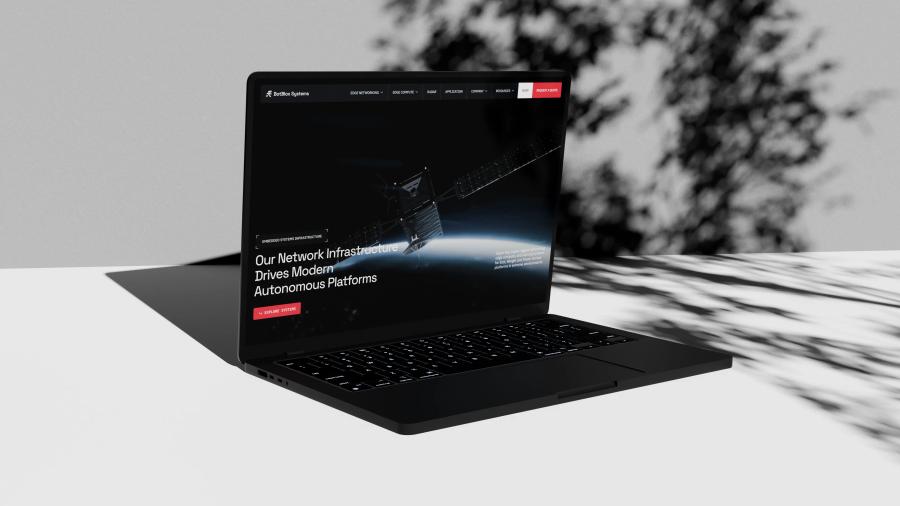
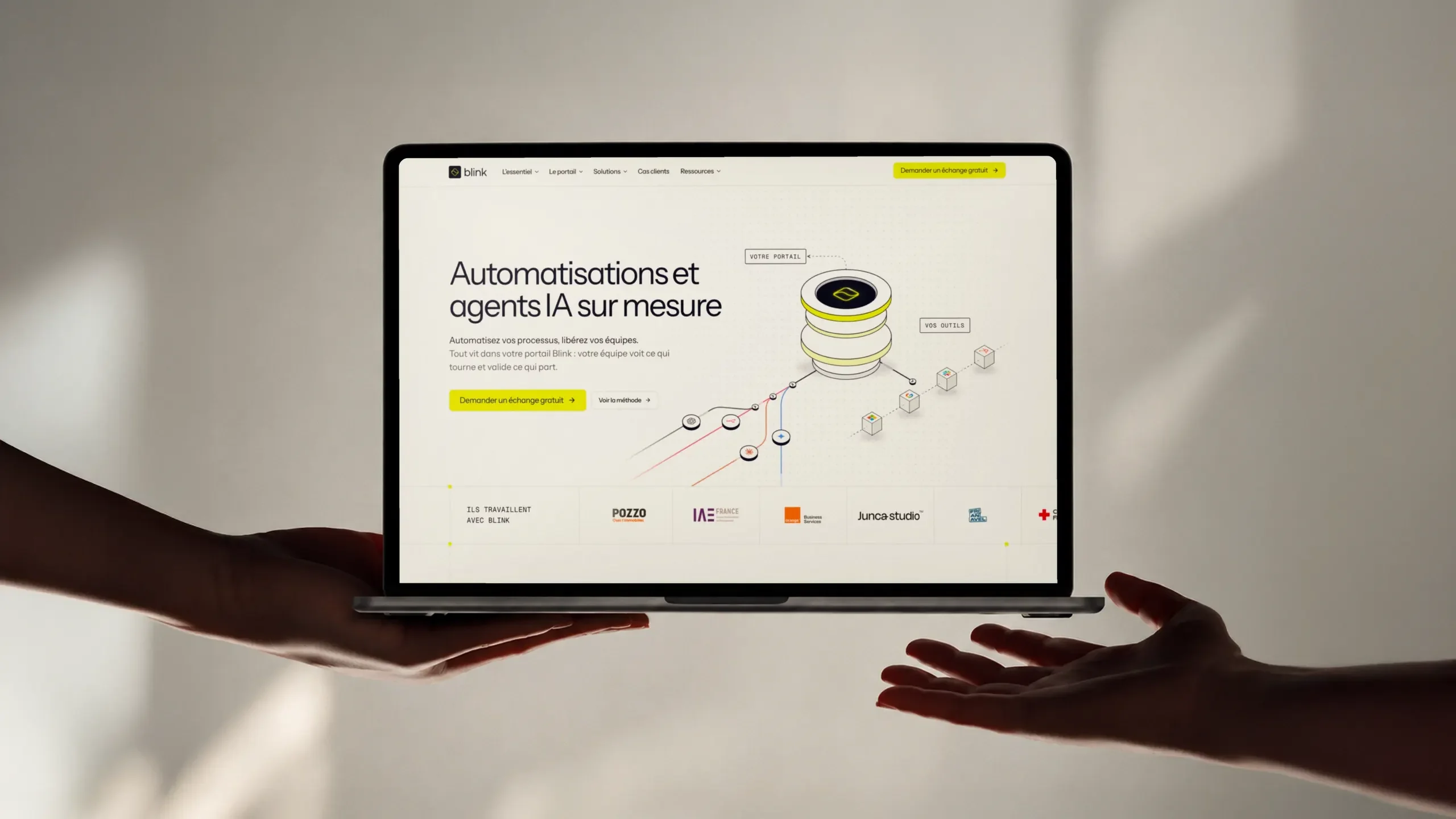
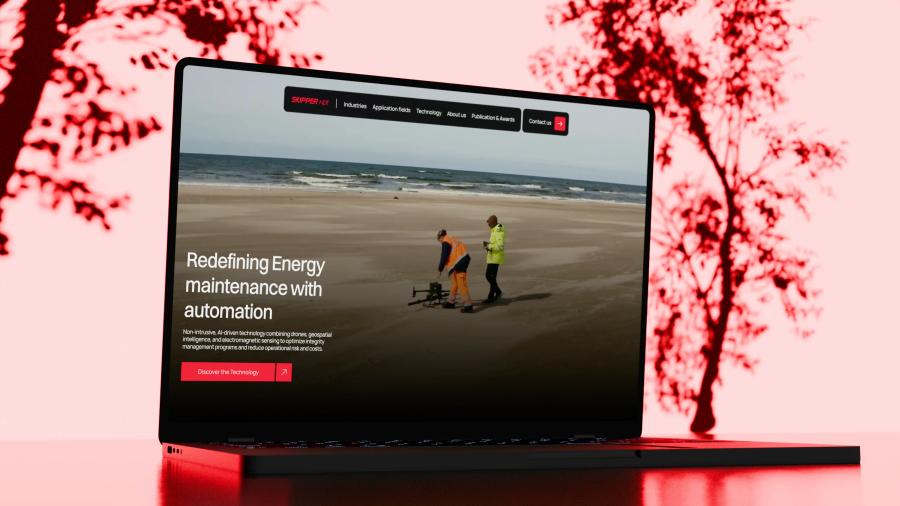
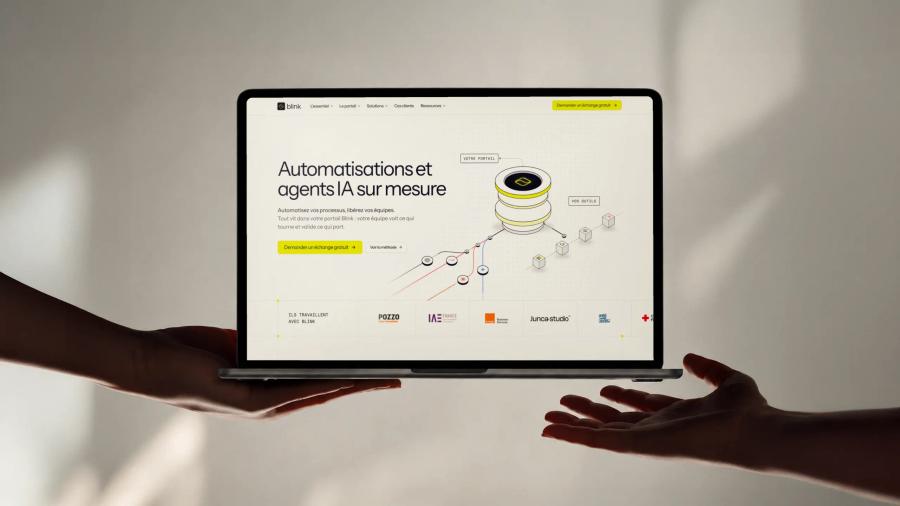
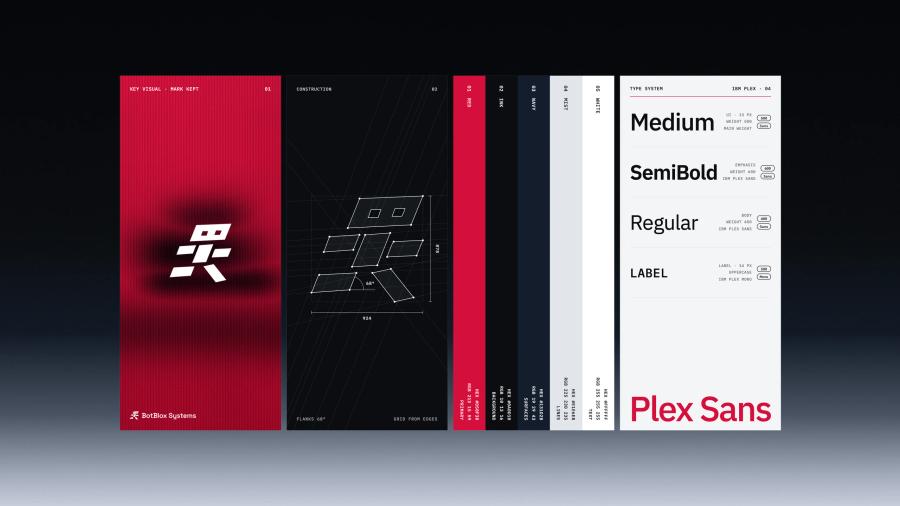
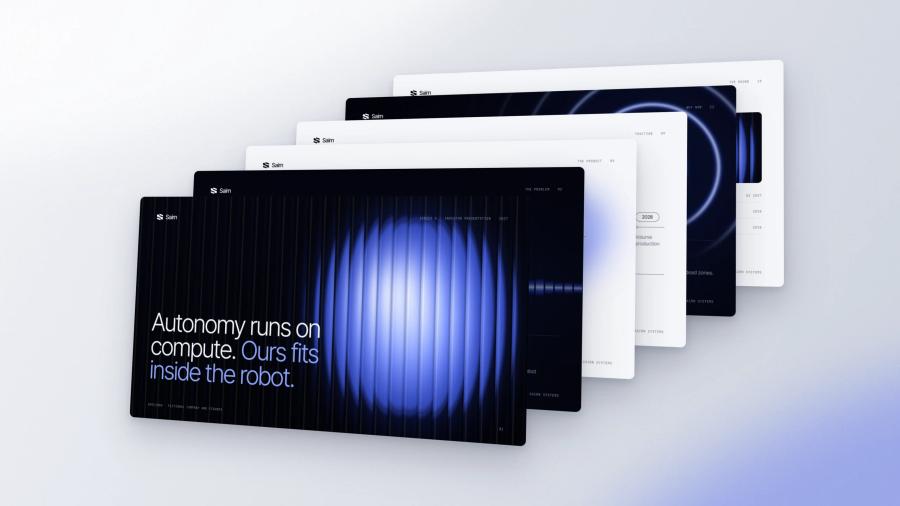
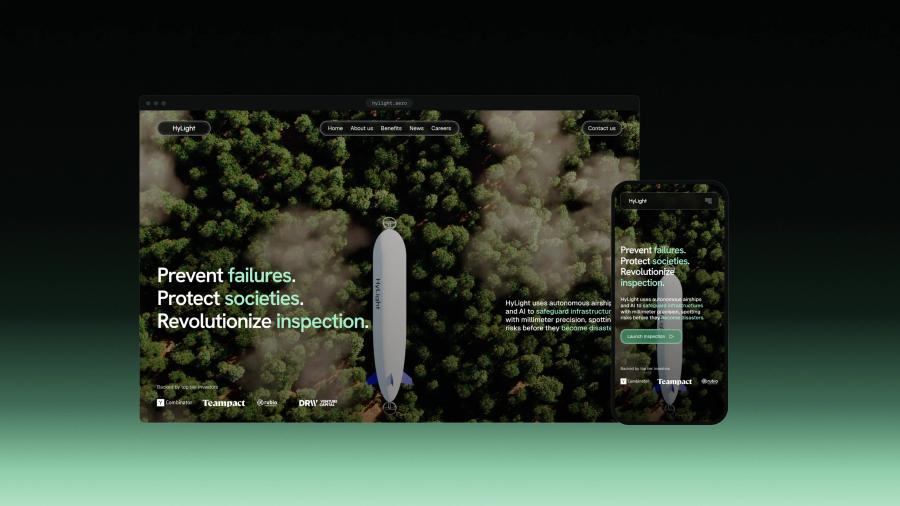
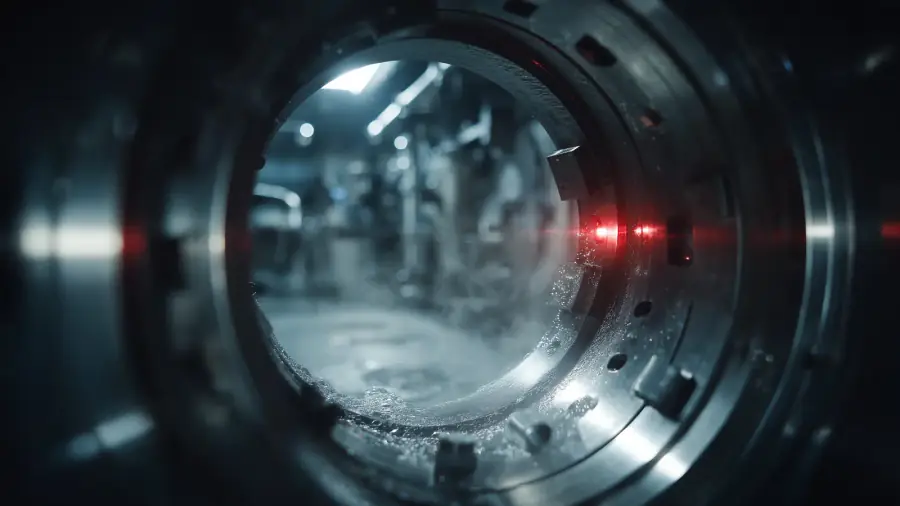
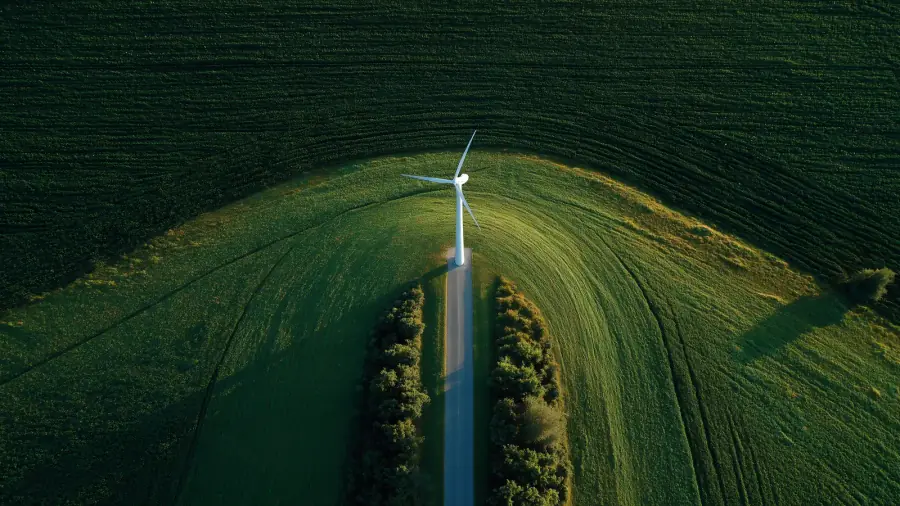
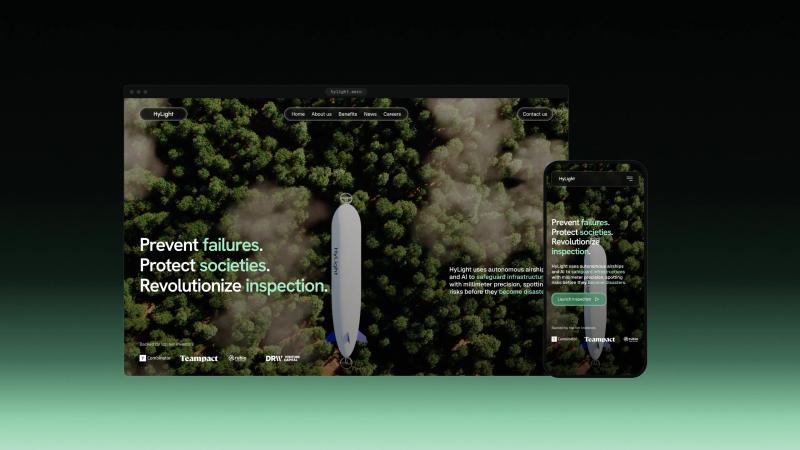
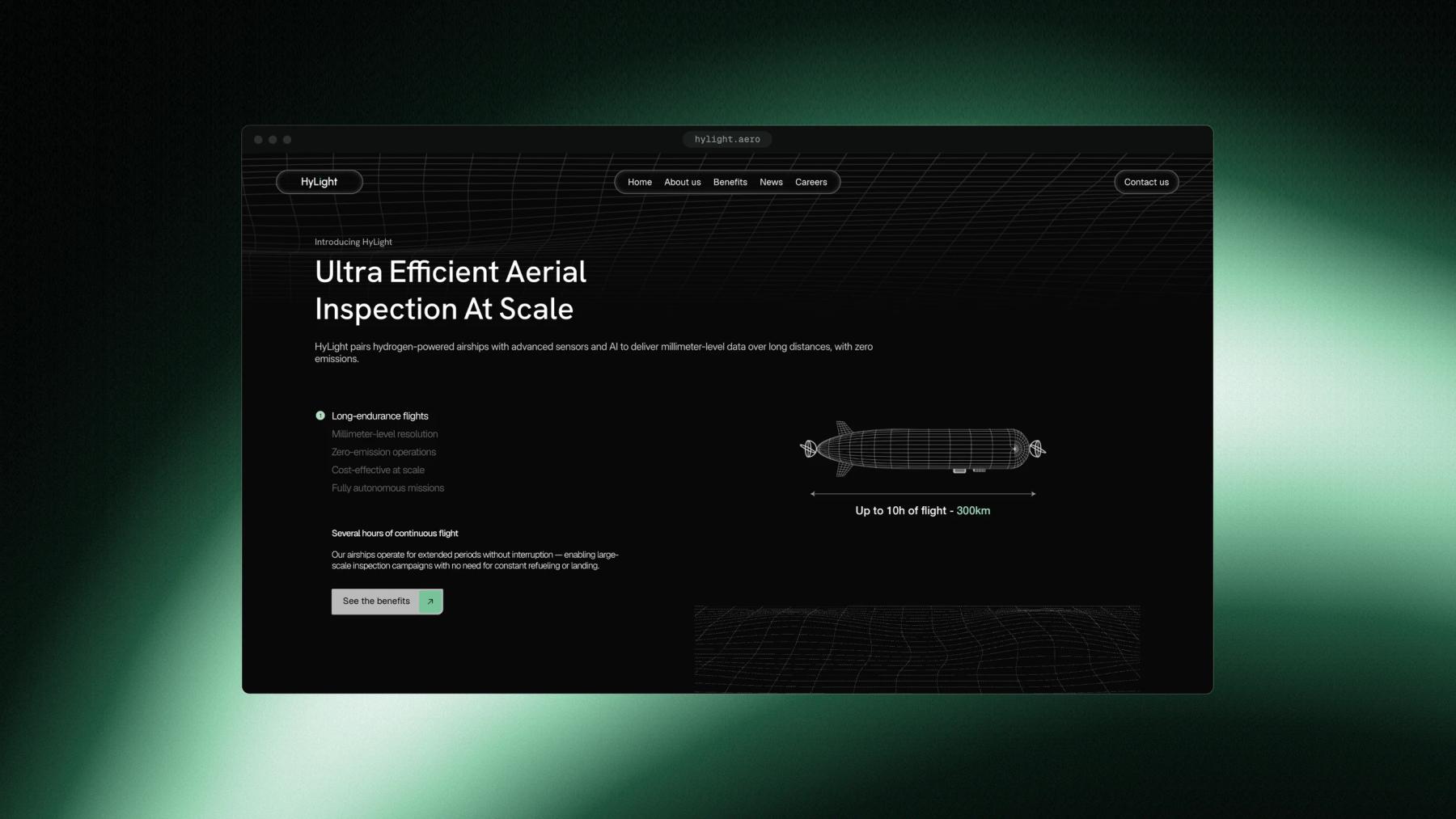
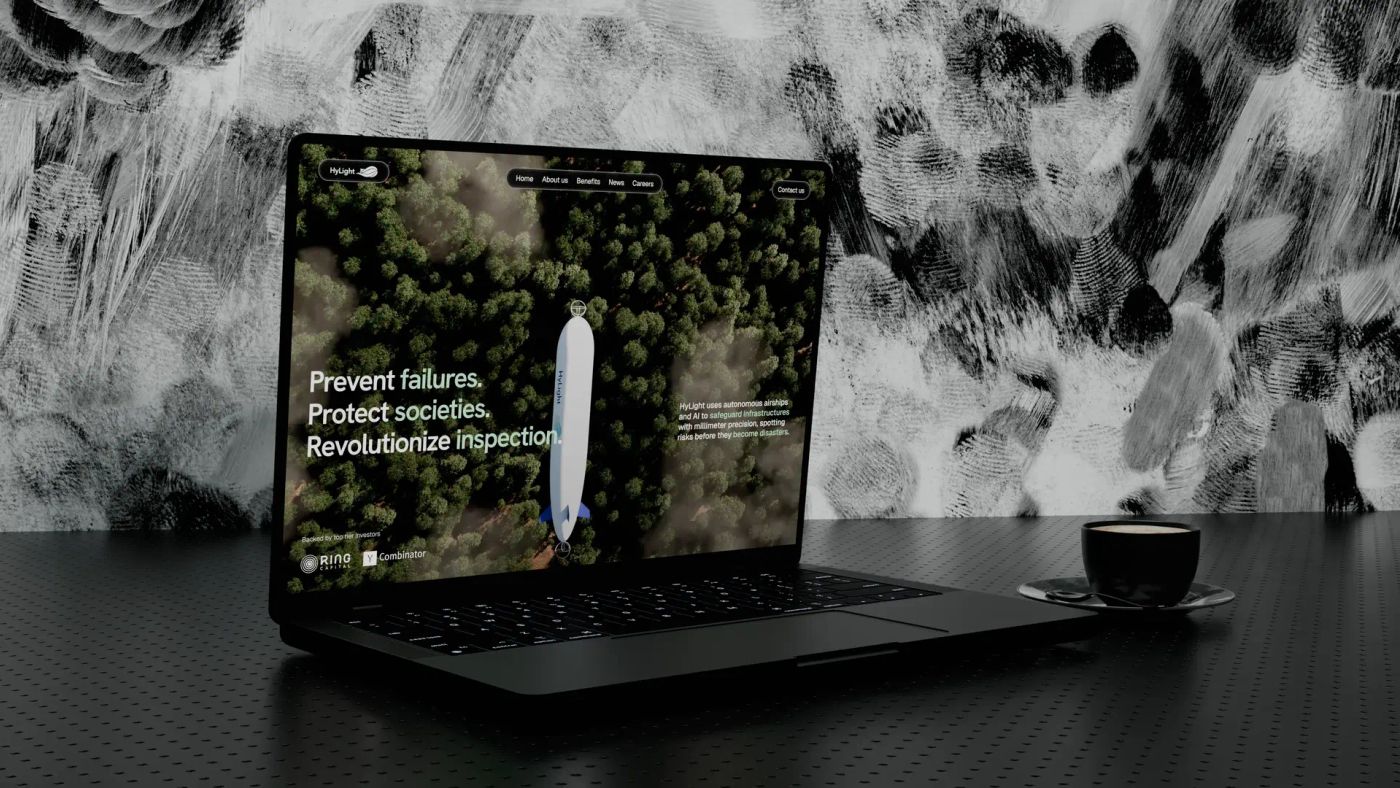
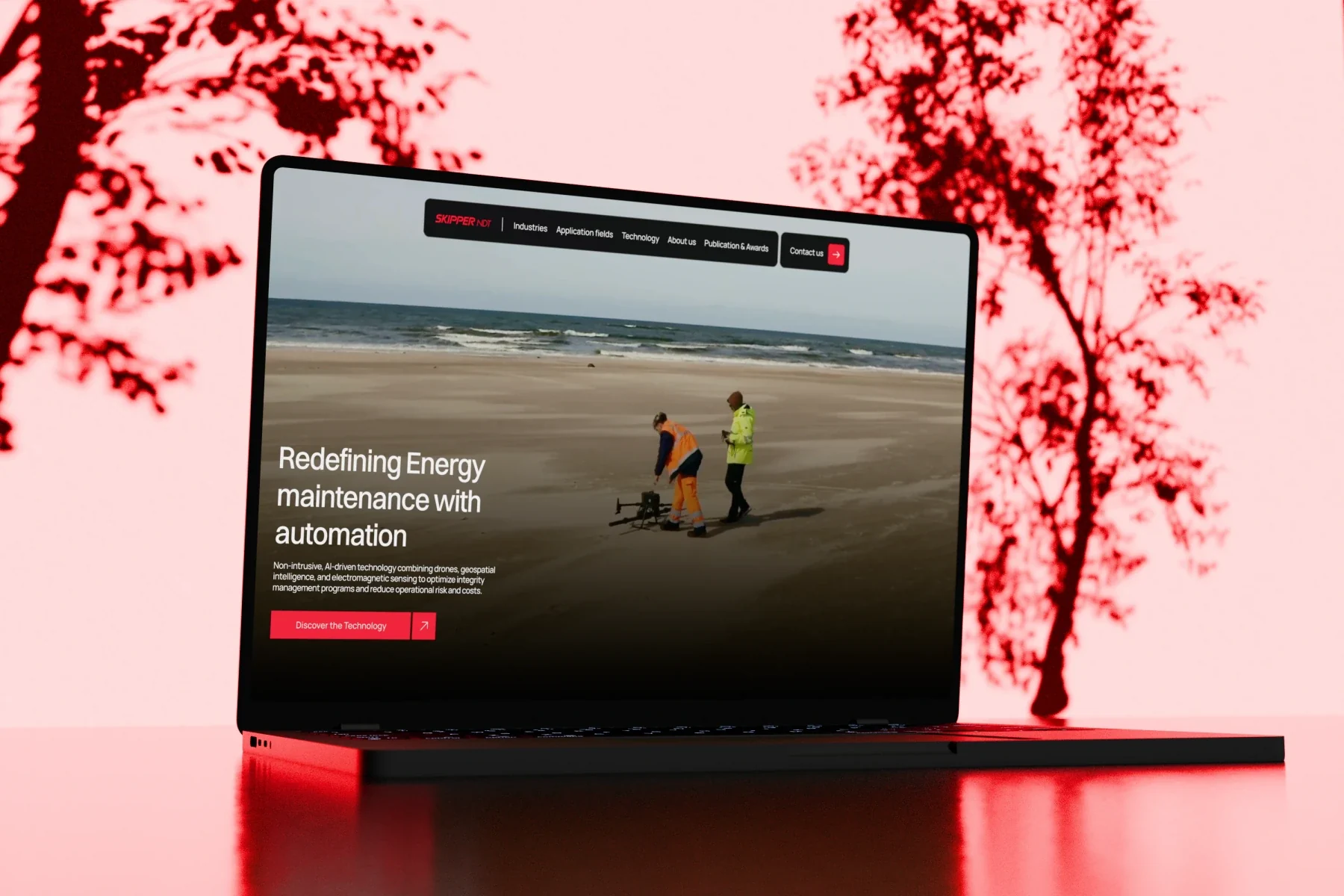
The Hylight website, designed and built by Junca, shows its investors on the first screen, the product working in a live dashboard and the milestones that led to its €13M round, announced on its news page. For Skipper NDT, pipeline inspection technology is presented with the publications and awards both industrial buyers and investors look for.
The problem
The deck gets you the meeting. The website is checked right after.
Why startup websites fall short with investors
Funds read the deck, then open the website, the news and the founders' profiles to check the story holds. Most startup sites were written for the first customers and never updated, so the most-visited page of the round says less than the deck.
The traps
Trap 0101 / 05

Seed-stage copy
A site written for the first customers
The pitch moved on, the website did not. Investors read a product, a market and a team that are two years old, and wonder which version is true.
Trap 0202 / 05
Proof on page six
Backers and customers nobody sees
The funds, partners and customers that make a startup credible are buried at the bottom of the About page. Investors look for them in the first seconds.
Trap 0303 / 05
Hard to picture
A product nobody sees working
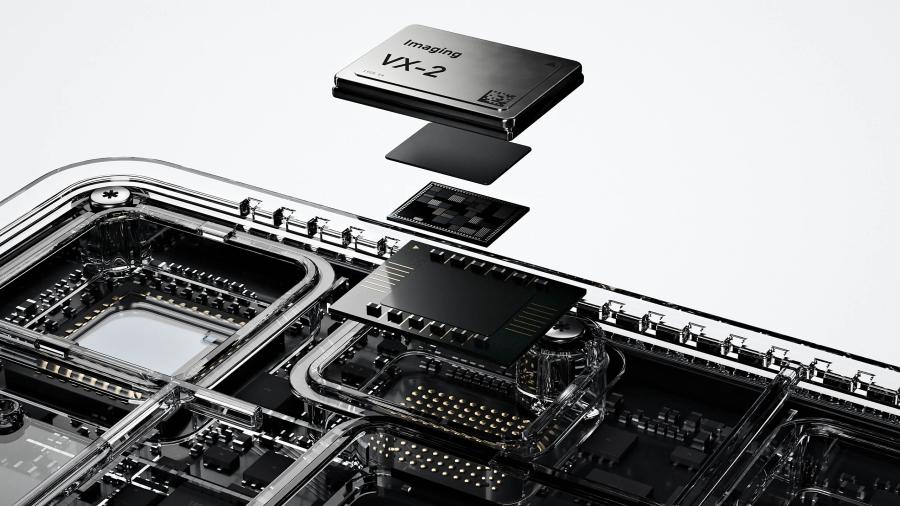
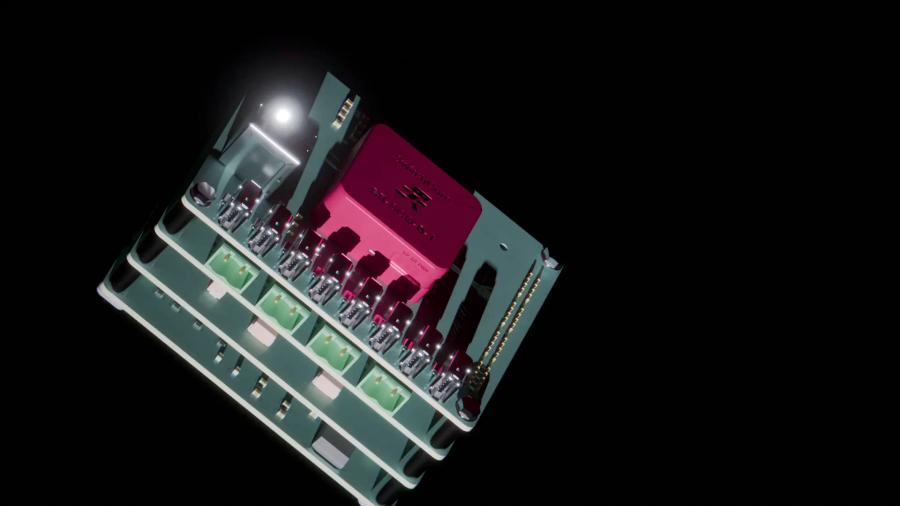
A deep tech product cannot be tested in a meeting. Without a demo, a dashboard or a render on the site, investors have to take the technology on trust.
Trap 0404 / 05
Sent by email
A data room in attachments
Decks, financials and one-pagers sent as attachments, in versions nobody can track. A private space on the site keeps one current version, shared after a first call.
Trap 0505 / 05
Announced elsewhere
A round nobody finds
The announcement lives on LinkedIn and in the press, and the website still shows last year's news. The page journalists, hires and the next investors open says nothing.
The process
What we change before investors open the site
Story, design and build are done by the team that writes the equity story and designs the deck, so the site and the documents say the same thing. You follow every page and every version in the Junca client portal, under NDA from the first call.
Step 01
Story and first screen
The deck's story rewritten for the website, starting with what a fund must understand on the first screen.
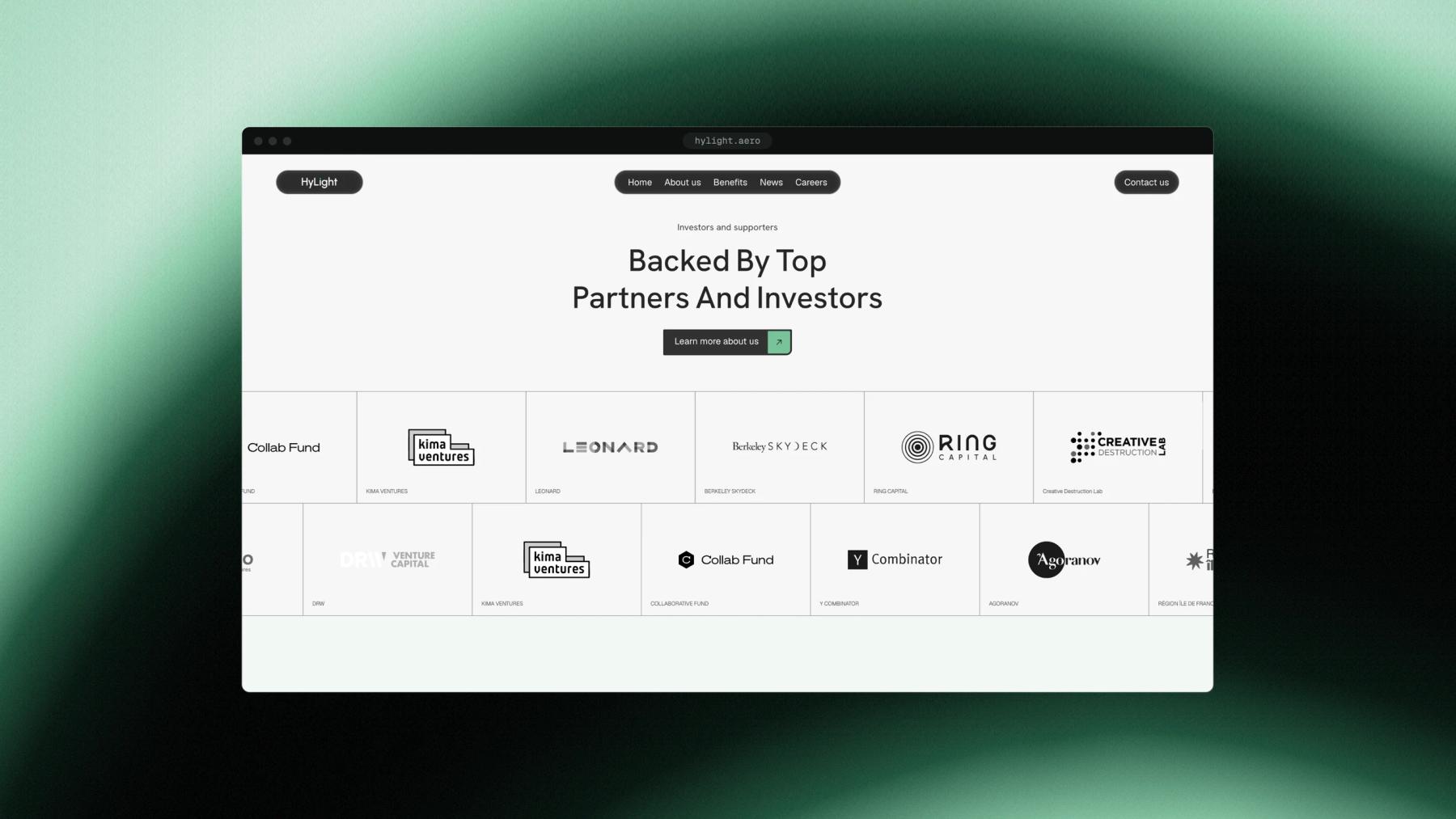
Step 02
Investors page
The backers, the round, the team and a one-pager to download, with access to the data room on request.
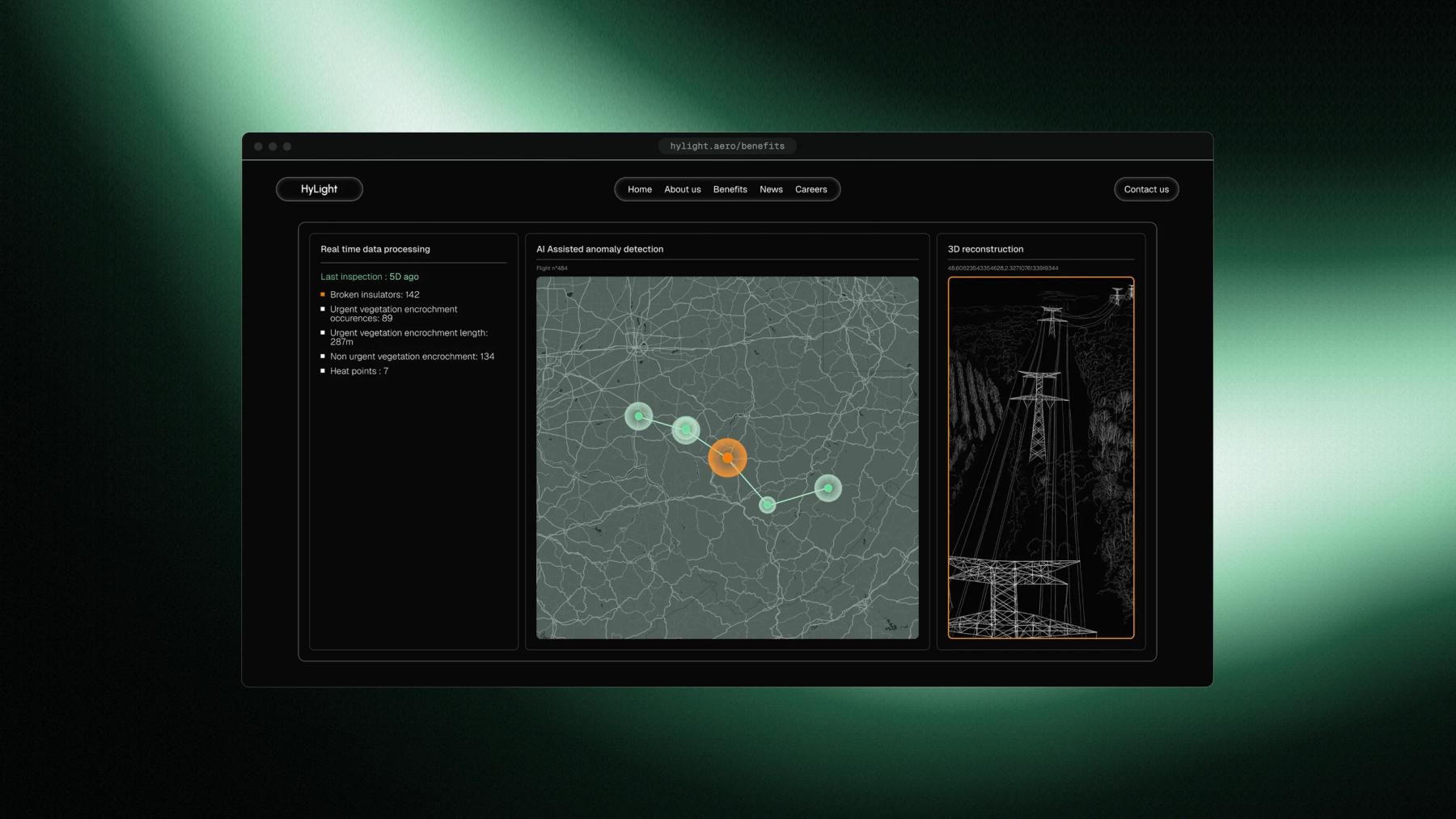
Step 03
Product proof
What the product does, shown working: a dashboard, a demo or 3D renders of a technology investors cannot test.
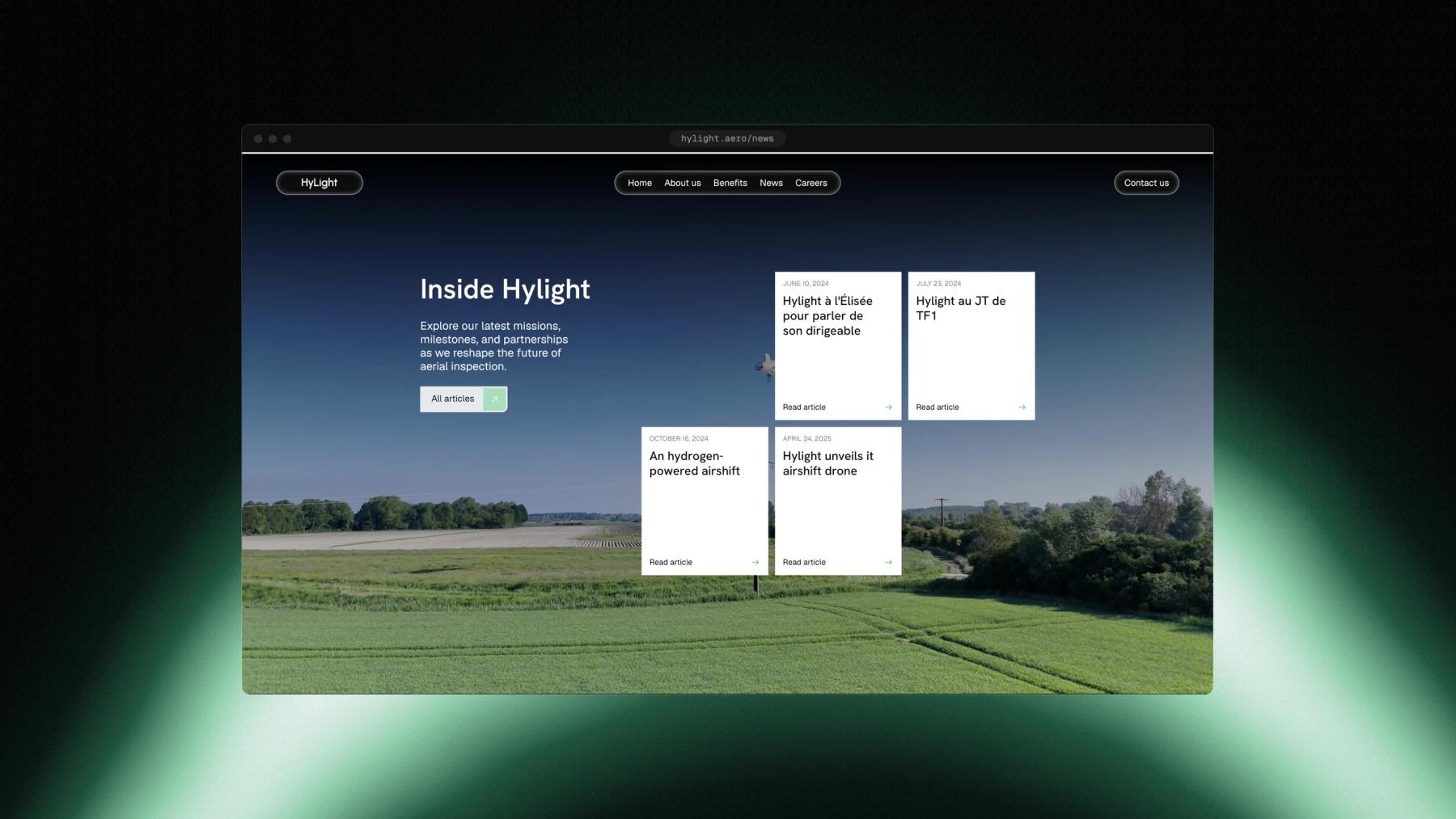
Step 04
Press kit and announcement
The press kit, the announcement page and a news section ready for the day the round is public.
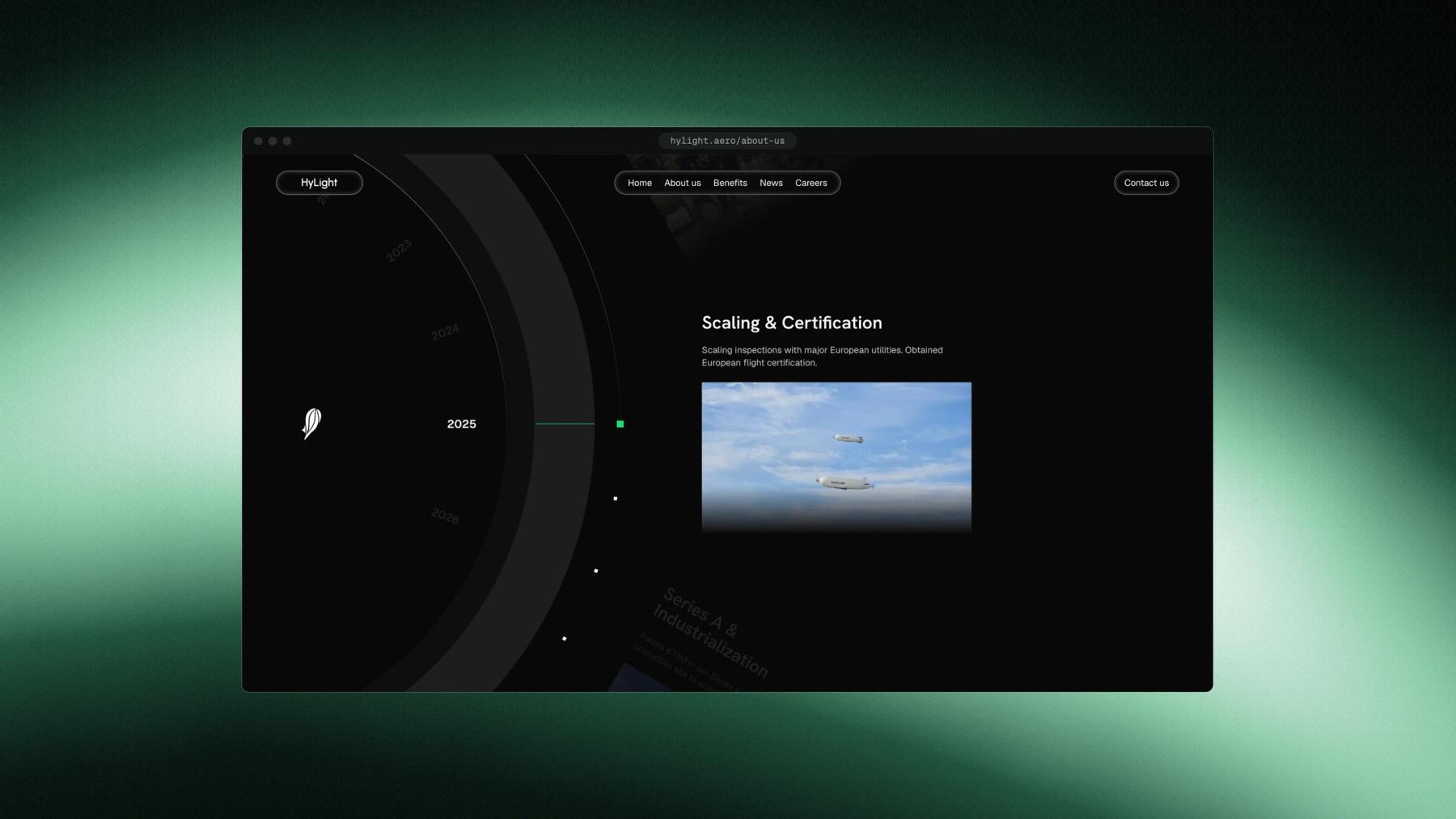
Step 05
Milestones and updates
A timeline and news your team updates alone after the round, so the site keeps pace with the company.
What you get
Everything the project needs, from one team.
Website redesign
The whole site brought to the level of the deck: message, proof, product and team.
Investors page
Backers, the round, the team and a one-pager to download, in the same story as the deck.
Private data room space
A protected section where investors find the current documents after a first call.
Press kit
Logos, product visuals, founder photos and the company facts, ready for journalists.
Announcement page
The page and the news that go live on the day the round is announced.
A CMS your team runs
News, milestones, roles and team updated without a developer, in Framer or in code.
Selected work
Websites investors check before the meeting
Should the investors section be public or gated?
Usually both. A public page shows who backs the company, the milestones and how to get in touch; the data room stays private, shared after a first call. We set the access with you, from a simple request form to a protected space.
How long before the round should the website be ready?
About two months before the round opens, so the site is live before the first meetings. When the deck is also part of the project, we plan the story first, then the documents and the website together.
What goes on an investors page?
The backers and supporters, the round when it is public, the key milestones, the team and a one-pager to download, with a way to request the data room. Nothing that should stay confidential: that belongs in the data room.
Can our team update the site after the round?
Yes. News, milestones, open roles and the team are managed in a CMS your team uses alone, in Framer or in code, so the site keeps pace with the company.
Do you also design the deck and the press kit?
Yes. The equity story, the pitch deck, the one-pager and the press kit are made by the same team, so every document an investor opens tells the same story as the website.

The investor-ready website: what VCs actually look at before a Series A
5 min read
Your deck gets two minutes of attention. Your website gets the rest of the diligence. What VCs actually check on a startup website before a Series A, backed by Harvard and DocSend research.

Startup website after a seed round: what to change before Series A
6 min read
The median gap between seed and Series A is now 616 days. The site that helped you raise was written for investors; here is what to change so it sells, hires and prepares the next round.
Why deeptech startups need a premium website
5 min read
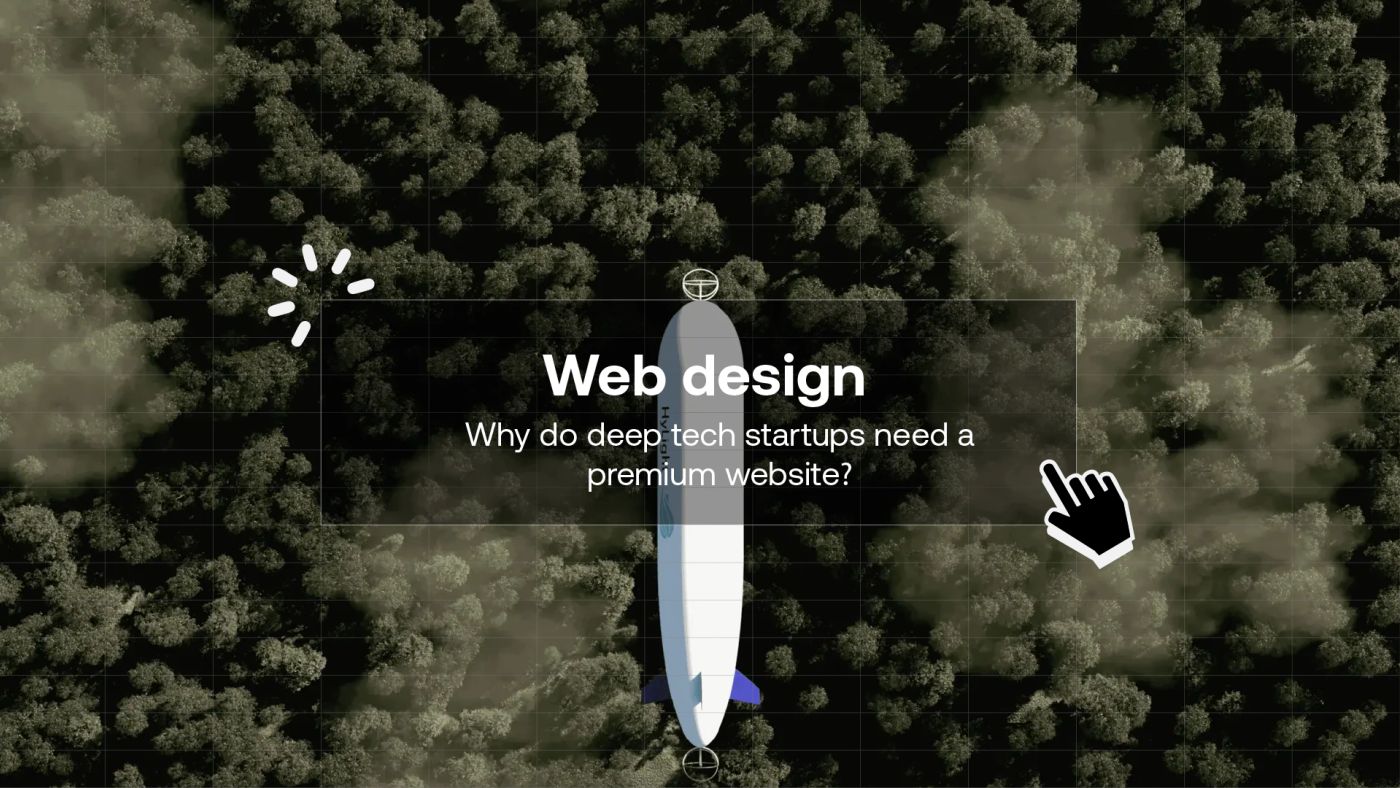
A generic website is no longer enough for a deeptech startup. Investor credibility, talent acquisition, market positioning: why web design is an underestimated strategic lever.
How to explain complex technology on a website (without dumbing it down)
4 min read
Jargon repels even when you define it, and visitors read 25% of your words. The layered-narrative method we use to make deeptech legible, from Hylight to Kestrix.
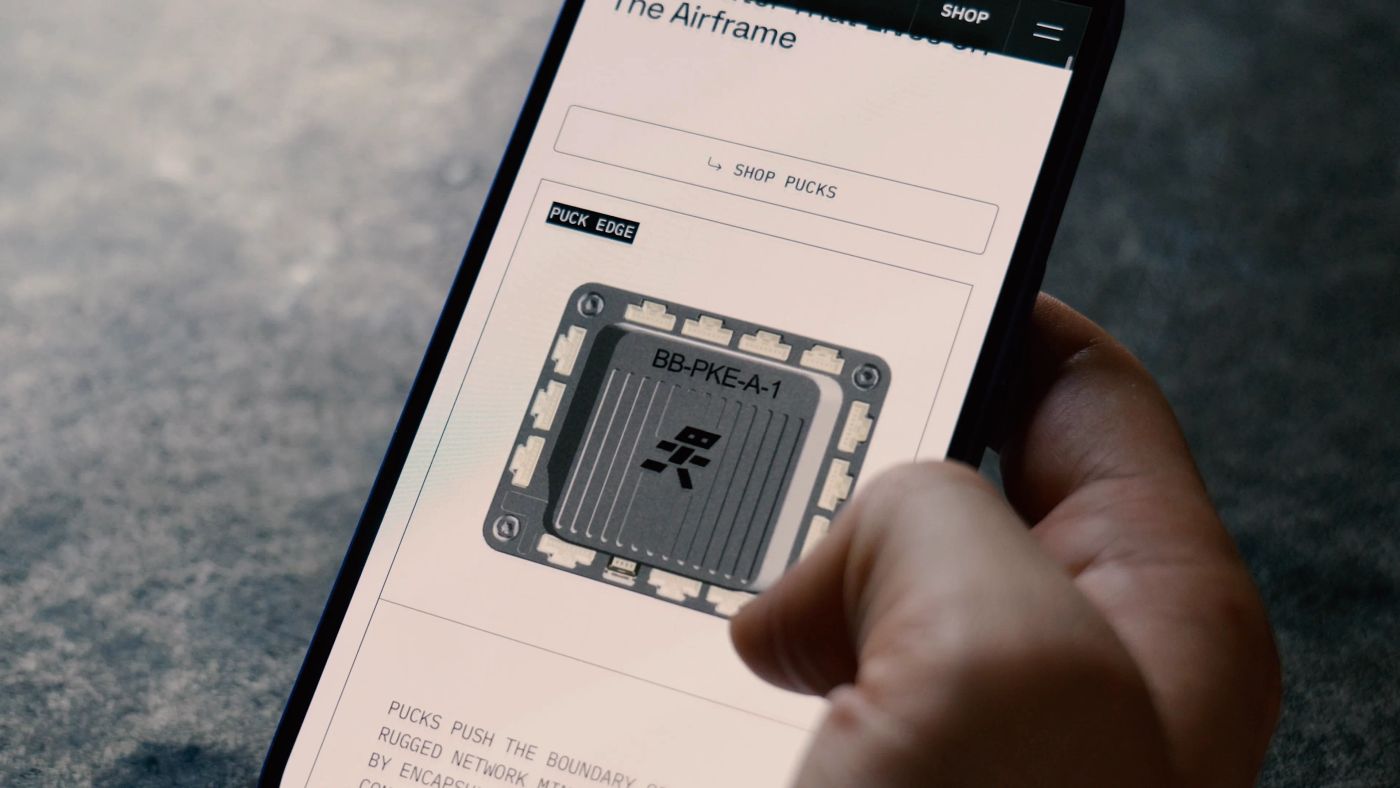
How to show a hardware product on your website when photos fall short
7 min read
A photo shows the outside of your hardware. Buyers need the inside, the motion and the proof: five visuals that show them, one honesty rule for renders, and a realistic CAD-to-web timeline.
Other services